
The End of Crypto's Wild West: G7 Nations Finalize 'Geneva Stablecoin Accord' in Historic Market Shakeout

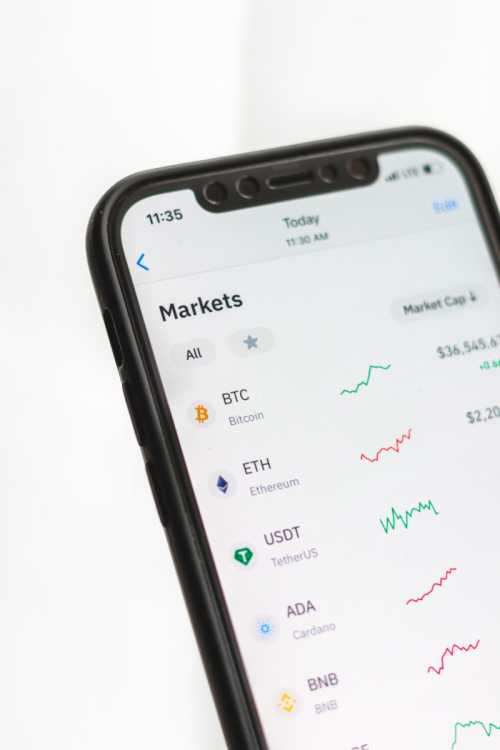
In a landmark decision that will permanently alter the landscape of digital finance, the finance ministers and central bank governors of the G7 nations gathered in Geneva on Thursday to sign the "Global Stablecoin Accord." This comprehensive regulatory framework establishes strict, unified rules for the issuance and operation of fiat-backed digital currencies, effectively legitimizing the stablecoin sector while simultaneously declaring war on non-compliant, decentralized, and algorithmic alternatives. To understand the significance of this moment, imagine a massive, unregulated flea market that has been operating in the city center for years. The government has finally decided not to shut the market down, but instead to bring it indoors, issue official vendor licenses, require strict health and safety inspections, and ban anyone selling counterfeit goods. The legitimate businesses will thrive and scale, but the black-market operators will be crushed. This is exactly what the Geneva Accord does for the crypto market, drawing a hard, unforgiving line between institutional-grade digital dollars and the unregulated shadows of decentralized finance.
Understanding the Mechanics: What is a Stablecoin?
Before diving into the regulatory fallout, it is crucial to understand the asset class at the center of this geopolitical storm. A stablecoin is a type of cryptocurrency designed to maintain a stable value relative to a fiat currency, usually the U.S. dollar. Unlike Bitcoin, which can swing 10% in value in a single day, a stablecoin is pegged 1:1 to the dollar. This stability makes it incredibly useful for crypto traders who need a safe haven during market volatility, and for users in developing nations who want to hold digital dollars to protect against local inflation. However, the way these coins maintain their peg varies wildly. "Fiat-backed" stablecoins, like USDC or PayPal's PYUSD, hold actual U.S. dollars and Treasury bills in a bank account to back every digital token issued. "Algorithmic" or "decentralized" stablecoins, on the other hand, rely on complex smart contracts and over-collateralization with other volatile crypto assets to maintain their peg. The collapse of the algorithmic stablecoin TerraUSD in 2022, which wiped out $40 billion in value, proved to regulators that the latter model is inherently fragile and poses a systemic risk to the broader financial system.
The Core Provisions of the Geneva Framework
The Geneva Stablecoin Accord is not a suggestion; it is a coordinated mandate that the G7 nations will now translate into domestic law. The framework rests on three non-negotiable pillars. First, the "100% Liquid Reserve Mandate," which requires that every single stablecoin in circulation must be backed 1:1 by highly liquid, low-risk assets, specifically cash and short-term government treasuries. No more opaque commercial paper, no more crypto-collateralization. Second, the "Real-Time Auditing Requirement," which forces issuers to publish daily, cryptographically verifiable proof of their reserves, audited by traditional, systemically important accounting firms. Third, and most controversially, the "Compliance and Sanctions Integration," which mandates that all regulated stablecoin issuers must implement strict KYC (Know Your Customer) and AML (Anti-Money Laundering) protocols, and must have the technical ability to freeze wallets associated with sanctioned entities or criminal activity. These provisions effectively force stablecoins to operate with the same regulatory burden as traditional banks, stripping away the pseudonymity that was once the hallmark of the crypto ethos.
Market Carnage and Consolidation: The Great Crypto Shakeout
The market reaction to the signing of the Accord was immediate, brutal, and highly bifurcated. For the compliant, fiat-backed stablecoins, the news was a massive tailwind. The market capitalization of USDC (issued by Circle) and PYUSD (issued by Paxos for PayPal) surged by over 30% in 24 hours, as institutional capital, previously sitting on the sidelines, flooded into these "safe," regulated digital dollars. Conversely, the market for non-compliant and algorithmic stablecoins was decimated. Tether (USDT), the largest stablecoin in the world, which has long faced scrutiny over the transparency of its reserves and its offshore operations, saw its peg briefly break to $0.96 as panic selling ensued. Decentralized stablecoins like DAI and various algorithmic experiments crashed by over 50%, as the market priced in the reality that they will be banned from integrating with the traditional banking system and major centralized exchanges in the G7. This "Great Shakeout" is rapidly consolidating the stablecoin market into the hands of a few, heavily regulated, well-capitalized players who can afford the immense compliance costs.
Wall Street Enters the Chat: The Bank-Issued Digital Dollar
Perhaps the most profound long-term implication of the Geneva Accord is that it officially opens the door for traditional Wall Street banks to issue their own stablecoins. Under the new framework, JPMorgan, Citigroup, and BlackRock have all signaled their intent to launch fiat-backed digital tokens. For these financial giants, a stablecoin is not just a crypto trading tool; it is a revolutionary upgrade to the global payments rail. Imagine being able to send millions of dollars across the globe in three seconds, for a fraction of a penny, 24/7/365, without relying on the slow, expensive, and archaic correspondent banking network (SWIFT). By issuing their own stablecoins, banks can capture the massive fees currently paid to remittance companies and payment processors, while offering their clients instant, programmable money. This moves the crypto industry from a speculative, retail-driven casino into a backend infrastructure upgrade for traditional finance. The tech companies that provide the blockchain infrastructure for these bank-issued tokens are seeing their stock prices soar, as the market realizes that the "killer app" for blockchain is not a meme coin, but the modernization of the global banking system.
The Geopolitical Weaponization of the Digital Dollar
Beyond the market mechanics, the Geneva Accord has profound geopolitical implications, particularly regarding the dominance of the U.S. dollar. For the past few years, the BRICS nations (Brazil, Russia, India, China, South Africa) have been actively working on "de-dollarization" efforts, trying to build alternative payment systems to bypass the U.S. financial system and avoid the impact of American sanctions. The Geneva Accord effectively weaponizes the stablecoin market to reinforce dollar hegemony. By mandating that all legitimate stablecoins must be backed by U.S. Treasuries and must comply with U.S. sanctions lists, the G7 is ensuring that the digital dollar, not a digital euro or a Chinese digital yuan, becomes the native currency of the internet. Every time a user in Africa, Latin America, or Southeast Asia uses a regulated stablecoin to protect their savings or conduct cross-border trade, they are indirectly buying U.S. government debt and integrating deeper into the dollar-centric financial system. This is a massive strategic victory for the United States, achieving through regulatory fiat what traditional monetary policy could not: the absolute digitization and global entrenchment of the American dollar.
The Decentralized Revolt and Regulatory Arbitrage
Naturally, this massive consolidation and regulatory overreach has sparked a fierce backlash from the purist, decentralized wing of the crypto community. For these developers and users, the Geneva Accord is a betrayal of the original cypherpunk vision of permissionless, censorship-resistant money. In response, a "decentralized revolt" is underway, with developers rushing to build truly peer-to-peer, privacy-focused, and non-custodial stablecoin protocols that cannot be frozen or censored. However, these projects face a massive hurdle: off-ramps. If you cannot convert your decentralized stablecoin back into fiat currency through a regulated bank or exchange, its utility is severely limited. Furthermore, the Geneva Accord is triggering a massive wave of "regulatory arbitrage." Crypto companies that do not wish to comply with the strict G7 rules are fleeing to jurisdictions that have not signed the Accord, setting up shop in places like Dubai, Singapore, and various offshore island nations. This creates a bifurcated global crypto market: a highly regulated, institutional, G7-compliant "white market," and a wild, unregulated, offshore "grey market." While the white market will likely capture the trillions of dollars of traditional institutional capital, the grey market will continue to thrive in the shadows, serving those who prioritize privacy and censorship resistance over regulatory compliance.
"The Geneva Accord is the moment crypto grew up. We traded our anonymity and our anarchy for legitimacy and scale. The question now is whether the soul of the technology can survive its integration into the very system it was built to replace." - Prominent Crypto Developer and Protocol Founder
As the financial world digests the historic signing of the Geneva Stablecoin Accord, it is clear that we have crossed a Rubicon. The era of crypto as an unregulated, speculative frontier is officially over. In its place, a highly structured, heavily regulated, and institutionally dominated digital financial system is emerging. The market shakeout will be painful for many, and the philosophical divide between the compliant and the decentralized will only widen. However, the underlying technology—the blockchain—is finally being put to its most practical, transformative use. By providing a regulatory framework that ensures safety, stability, and compliance, the G7 nations have unlocked the floodgates of institutional capital. The digital dollar is here, it is regulated, and it is ready to reshape the global economy. The wild west has been tamed, and the real work of building the financial infrastructure of the 21st century has just begun.
Related Articles

The Macro Fracture: Navigating AI Valuations, Bond Volatility, and the Emerging Market Debt Trap
Aug 23, 2026
The Market’s Fragile Equilibrium: Navigating Valuation Resets, Private Credit Risks, and Macro Fragmentation
Aug 22, 2026
Comments (0)
No comments yet. Be the first to share your thoughts!
Want to join the discussion?
Please log in to post a comment.
Login NoworCreate an Account