
The Giant Family Ledger: Pakistan's Parliament Passes FY27 Budget with Primary Surplus and Record-Low Inflation


Imagine a massive family with hundreds of members living in a giant house. For a few years, this family was in deep trouble. They were spending way more money on fancy dinners and expensive repairs than they were earning. To pay for it all, they had to borrow money from the bank at incredibly high interest rates. The debt pile grew so high that it blocked the sunlight from the windows. The parents were stressed, the kids were worried, and the family was on the verge of losing their house. But then, the family sat down, opened the giant ledger, and made a brutally honest, incredibly strict budget. They cut the fancy dinners, found new ways to earn money, and focused on paying down the debt. Fast forward to June 2026, and the family has just presented its new yearly budget, and it shows something magical: a primary surplus, and inflation has dropped to a record-low 0.3 percent. This is the story of how Pakistan's parliament navigated the FY27 federal budget and pulled the national economy back from the brink.
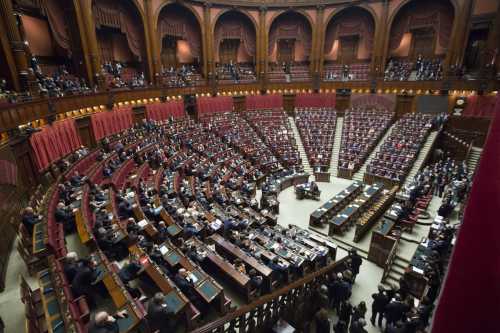
To understand the sheer scale of this achievement, we have to look at the role of the National Assembly and the Senate. These two houses of parliament are like the wise grandparents and the older siblings of the national family. When the Finance Minister presents the budget, it is not just a piece of paper; it is a massive, complex document that decides how every single rupee earned through taxes will be spent. It decides how much goes to the military to keep the borders safe, how much goes to build new highways and dams, how much goes to pay the salaries of teachers and doctors, and how much goes to pay the interest on the massive national debt. The parliament debates every line item, argues over the priorities, and finally votes to pass it into law. This year, the debates were intense, but the underlying economic reality was undeniable: the country could no longer afford to live on credit.
The headline-grabbing achievement of the FY27 budget is the 'primary surplus.' In simple terms, a primary surplus means that the government's total revenue (money earned from taxes, exports, and state-owned enterprises) is higher than its total non-interest expenditures (money spent on salaries, development, and defense). It means that before paying a single penny in interest on old loans, the family is actually saving money. This is a monumental milestone. For years, Pakistan ran a primary deficit, meaning it had to borrow even more money just to pay the interest on its existing debt. Achieving a primary surplus proves to the world, and to international lenders like the IMF, that Pakistan's economy is fundamentally healing. It shows that the tough reforms—broadening the tax net to include wealthy retailers and landlords, cutting government waste, and privatizing loss-making businesses—are actually working.
But the most beautiful news for the regular citizen is the inflation rate. Inflation is the invisible thief that steals the value of your money. When inflation is high, a loaf of bread that cost 100 rupees last year might cost 150 rupees this year, making it impossible for poor families to feed their children. For the past few years, Pakistan suffered through double-digit inflation, with prices soaring by 30, 40, or even 50 percent. But the FY27 budget projections, backed by the tight monetary policy of the State Bank, show inflation cooling down to an astonishing 0.3 percent. This means that prices have completely stabilized. The price of flour, sugar, petrol, and electricity is no longer going up every week. For a family on a fixed income, this is like getting a massive, invisible pay raise. Their money finally holds its value, and they can plan for the future without the constant fear of rising costs.
The budget also makes massive investments in the future. While maintaining fiscal discipline, the government has allocated record funds for climate resilience, recognizing that Pakistan must build stronger dams and flood barriers to protect its agriculture. It has also increased the budget for the 'AI Seekho' and IT initiatives, understanding that the future of exports lies in software and technology, not just textiles. Furthermore, the development budget has been targeted towards special economic zones and agricultural modernization, ensuring that the growth is sustainable and creates real, long-term jobs. The parliament has successfully balanced the need to pay off the debt with the need to invest in the next generation.
The passage of this historic budget was a defining moment for the current government, proving its commitment to economic stability. Here is the official coverage of the parliamentary sessions and the budget outlook:
Posted by Business Recorder on Monday, June 9, 2026
The road ahead is still not easy. The national debt remains massive, and the interest payments on that debt still consume a huge portion of the budget. The government must continue to enforce tax laws fairly and resist the temptation to borrow more. But the FY27 budget is a beacon of hope. It proves that with political will, national unity, and strict discipline, Pakistan can fix its giant family ledger. The debt pile is finally starting to shrink, the sunlight is coming back through the windows, and the family can finally start dreaming of a prosperous, stable future. To read the full FY27 federal budget documents and the economic survey, you can visit the official Ministry of Finance portal at finance.gov.pk.
Related Articles
The Multipolar Fracture: Navigating Defense Realignment, Institutional Arbitrage, and Tactical Instability
Aug 23, 2026
The Architecture of Fragmentation: Navigating the Multipolar Shift in Global Governance
Aug 22, 2026
Comments (0)
No comments yet. Be the first to share your thoughts!
Want to join the discussion?
Please log in to post a comment.
Login NoworCreate an Account