
The Giant Green Tax Rebellion: UK Prime Minister Keir Starmer Faces Massive Backbench Revolt Over New Climate Transition Bill

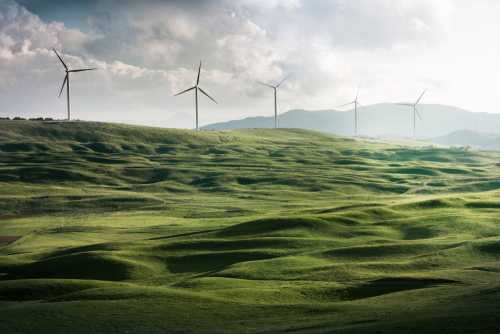
Imagine the giant, beautiful house you live in is catching fire because everyone inside has been burning too much coal in the fireplace for hundreds of years. The smoke is choking everyone, and the roof is starting to burn. The new head of the house, Prime Minister Keir Starmer, says, 'We must stop burning coal immediately and switch to expensive, clean solar power. But to pay for the new solar panels, we have to charge everyone in the house a special 'Green Tax' on the gas they use for cooking and heating.' The people in the house are freezing and hungry, and they are screaming, 'We cannot afford this tax! We will freeze before we burn!' Now, imagine that inside the head of the house's own team—the people who are supposed to help him fix the house—half of them are standing up and yelling, 'No! We refuse to support this tax! It will make us lose the next election!' This is the massive political crisis shaking the United Kingdom in June 2026.
The UK has some of the most ambitious climate change targets in the world. The government has legally committed to reaching 'Net Zero' carbon emissions by 2050. To achieve this, the country must completely overhaul its energy grid, ban new gas boilers, and force the transition to electric vehicles. The Labour government, led by Keir Starmer, came to power promising to be the 'greenest government ever.' They drafted the Climate Transition and Energy Security Bill, which includes a controversial mechanism: a gradually increasing tax on fossil fuel consumption for middle and upper-income households, with the revenue ring-fenced exclusively for subsidizing green technology for low-income families and upgrading the national grid.
But the political reality of implementing this tax has been brutal. The cost of living in the UK has been incredibly high, and regular citizens are already struggling to pay their winter heating bills. The opposition Conservative Party has seized on this tax, running a massive media campaign claiming that Starmer wants to 'bankrupt working families to pay for windmills.' This public pressure has caused a deep fracture within Starmer's own Labour Party. A group of about 30 Labour MPs, representing working-class constituencies in the North of England and the Midlands—areas that rely heavily on traditional industries and gas heating—have formed a 'Backbench Rebellion.' They are threatening to vote against their own government's bill, which would mean the bill fails, and Starmer's leadership could collapse.
The negotiations behind closed doors at 10 Downing Street have been intense and dramatic. Starmer is trying to perform an impossible balancing act. He cannot abandon the green transition because the climate emergency is real, and the international community is watching the UK's leadership. But he cannot afford to lose the vote and trigger a general election that his party might lose due to the unpopular tax. The rebels are demanding major concessions: they want the green tax to be delayed until the national inflation rate drops below 2 percent, and they want a guarantee that no household earning under the national average will pay a single penny of the tax. They also want massive investments in local jobs—like retrofitting homes with insulation—so that the green transition actually puts money back into the pockets of working-class communities.
As of June 28, 2026, a fragile compromise seems to be emerging. Starmer has agreed to introduce a 'Cost of Living Shield' amendment to the bill. This amendment ensures that the first 500 units of energy used by any household are completely exempt from the green tax, protecting the poorest families. Furthermore, the government has announced a 10 billion pound 'Northern Energy Investment Fund,' which will build massive, union-backed green hydrogen plants in the rebel constituencies, creating thousands of high-paying, permanent jobs. This political maneuvering is a masterclass in the messy, difficult reality of democratic governance. It shows that saving the planet is not just about science; it is about economics, fairness, and convincing real people that the future will be better than the present.
The British public and the global climate community are watching this parliamentary drama unfold with bated breath. Here is the statement from the Prime Minister's official spokesperson on the ongoing negotiations:
Posted by 10 Downing Street on Friday, June 28, 2026
The final vote on the Climate Transition Bill is scheduled for next week. If Starmer can hold his party together and pass the bill, the UK will cement its status as a global leader in green policy. If the rebellion succeeds and the bill falls, it could trigger a massive political crisis and set back the global fight against climate change by years. The fate of the house, and perhaps the planet, hangs in the balance. To follow the live updates from the House of Commons and read the full text of the proposed amendments, you can visit the official UK Parliament portal at parliament.uk.
Related Articles
The Institutional Fault Line: How Judicial Overreach and Trade Wars Are Reshaping U.S. Markets
Aug 23, 2026
The Fractured Consensus: How Trade Volatility and Institutional Strain Are Rewiring U.S. Macroeconomics
Aug 22, 2026
Comments (0)
No comments yet. Be the first to share your thoughts!
Want to join the discussion?
Please log in to post a comment.
Login NoworCreate an Account