
The Neighborhood Watch and the Homeowners Association: NATO and EU Scale Up Joint Defense Ahead of Historic Ankara Summit

Imagine a massive, wealthy neighborhood that is constantly worried about a dangerous gang operating in the woods just beyond their fences. To protect themselves, the neighbors formed two separate groups. The first group is the Neighborhood Watch, a highly trained, heavily armed security team that patrols the streets and stands ready to fight off any intruder. The second group is the Homeowners Association, a massive organization that manages the neighborhood's budget, builds the roads, sets the trade rules, and funds the local schools. For a long time, these two groups barely talked to each other. The Watch thought the Association was too slow and bureaucratic, while the Association thought the Watch was too aggressive and expensive. But in 2026, with the gang in the woods getting bolder and more aggressive, the leaders of both groups finally realized that they cannot survive if they do not share their security cameras, their fences, and their budgets. This is the story of NATO and the European Union scaling up their historic cooperation ahead of the massive July 2026 Ankara Summit.
To understand the gravity of this alliance, we need to know what these two organizations actually do. NATO, the North Atlantic Treaty Organization, is the ultimate military alliance. Its core promise is Article 5: an attack on one member is an attack on all. It has the fighter jets, the command structures, and the nuclear deterrent. The European Union, on the other hand, is the world's most advanced economic and political union. It has the massive single market, the regulatory power, the diplomatic corps, and the financial institutions. For decades, Europe relied on the United States, through NATO, to provide its security, while the EU focused on making money and writing regulations. But the world has changed. The war in Ukraine, the rise of China, and the unpredictable nature of global politics have forced Europe to realize that it must be able to defend itself and project power independently.
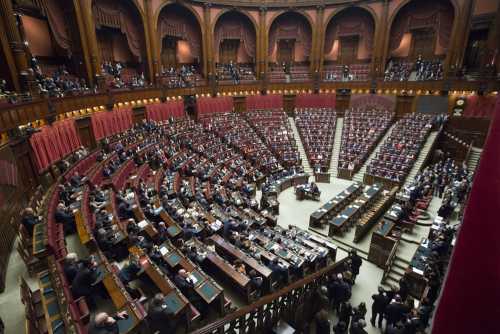
The turning point in this relationship happened on June 10, 2026, when NATO Secretary General Mark Rutte met with the Conference of Presidents at the European Parliament in Brussels. This was not just a polite courtesy call; it was a strategic war council. Rutte highlighted the absolute necessity of NATO-EU cooperation, stating that the two organizations must act as two sides of the same coin. They discussed concrete steps to eliminate the duplication of efforts. Instead of NATO buying one type of armored vehicle and the EU funding a slightly different version for its member states, they are now coordinating their defense procurement to build a unified, interoperable European defense industry. They are sharing intelligence on cyber threats, coordinating their naval patrols in the Mediterranean, and jointly funding research into next-generation military technologies like AI-driven drones and quantum encryption.
All of this intense preparation is leading up to the 2026 Ankara NATO Summit, scheduled for July 7-8 in Turkey. The Ankara Summit is going to be one of the most important meetings in the history of the alliance. The leaders of all 32 NATO member states, along with key partners like the EU, will gather in the historic Turkish capital to sign off on the new strategic concept. The agenda is dominated by the need to massively increase defense spending. For years, many European countries spent less than 2 percent of their GDP on defense, relying on the American taxpayer to foot the bill. At the Ankara Summit, the pressure will be immense to commit to a new, higher baseline of spending, potentially 3 percent, to build the stockpiles of ammunition and the air defense systems required for a prolonged conflict. The summit will also focus on the integration of Ukraine's military into NATO standards, even if full membership is not immediately granted, and the establishment of a permanent, robust NATO presence on the eastern flank.
What does this massive military and political buildup mean for the regular citizen in Europe and beyond? It means a fundamental shift in how tax money is spent. The era of the 'peace dividend'—where countries cut military spending to fund social programs—is over. Governments will have to make tough choices about balancing defense budgets with healthcare and education. However, it also means increased security. A stronger, more unified Europe deters aggression, which keeps the peace and prevents a war that would be economically catastrophic for the entire world. Furthermore, the joint investment in defense technology will create hundreds of thousands of high-tech engineering and manufacturing jobs, driving innovation that will eventually spill over into the civilian sector, much like how the internet was born from military research.
The global defense and political community is closely analyzing the outcomes of the June 10 meeting and the preparations for Ankara. Here is the official statement from the NATO Secretary General on the critical importance of this partnership:
NATO and the EU are two sides of the same coin. ???????????????? Today I met with the European Parliament to highlight the importance of scaling up our joint defense, coordinating procurement, and securing Europe's future ahead of the Ankara Summit. We must spend more, and we must spend better. #NATO#EU#AnkaraSummit
— NATO (@NATO) June 10, 2026
The Ankara Summit will be a test of Europe's political will. Can the 32 allies agree on a unified strategy in a world that is more dangerous than it has been since the Cold War? The June 10 meeting between NATO and the EU proved that the military and the political branches of European power are finally speaking the same language. The neighborhood watch and the homeowners association are no longer working in silos; they are building a fortress together. To follow the latest updates on the Ankara Summit and the NATO-EU joint declarations, you can visit the official NATO portal at nato.int.

Comments (0)
No comments yet. Be the first to share your thoughts!
Want to join the discussion?
Please log in to post a comment.
Login NoworCreate an Account