
The Neural Interface: Biometric Telemetry and the Spatial Computing Paradigm

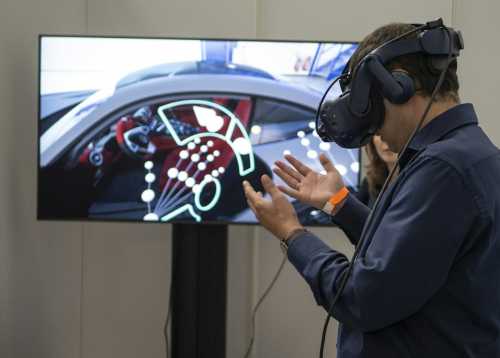
Replacing the tactile certainty of a glass screen with the invisible, electrical whispers of the human nervous system is akin to navigating a minefield using a metal detector calibrated to detect thoughts; the potential is revolutionary, but the margin for error is non-existent.
The Shift from Tactile to Neuromuscular Input
The recent launch of a major spatial computing platform featuring augmented reality glasses paired with an electromyography (EMG) neural wristband, fundamentally shifts the user interface paradigm from visual-tactile to neuromuscular intent. Concurrently, the deployment of this technology has triggered a massive backlash from privacy advocates and regulatory bodies over the collection of biometric telemetry. This juxtaposition of revolutionary human-computer interaction and profound privacy vulnerability represents a fundamental regime shift in consumer hardware that mainstream technology coverage has largely mischaracterized as a simple input method upgrade.
The Biometric Data Goldmine
Mainstream narratives treat the EMG wristband as a novel controller, ignoring the profound implications of the data it generates. The unseen reality is a massive, unregulated biometric data goldmine. A recent Gartner survey reveals that 74% of consumers cite 'biometric data privacy' as their primary barrier to adopting AR wearables. The unseen implication is a structural shift in the value chain of consumer hardware. The device is no longer just a compute platform; it is a continuous, high-fidelity sensor mapping the user's neuromuscular intent, cognitive load, and emotional state. This data is infinitely more valuable than traditional clickstream or location data, creating a powerful incentive for manufacturers to monetize this telemetry, often in direct conflict with emerging global privacy frameworks.
The Accessibility Revolution
Beyond the privacy concerns, the physical architecture of the EMG interface is creating a profound accessibility revolution. For users with motor impairments or repetitive strain injuries, the ability to control complex digital environments through subtle neuromuscular twitches is transformative. According to ABI Research, the enterprise spatial computing market will reach $45 billion by 2028, driven entirely by hands-free logistics and manufacturing. The unseen implication is a rapid bifurcation of the market. While consumer adoption may stall due to privacy fears, enterprise and industrial adoption will accelerate exponentially, as the efficiency gains in hands-free environments far outweigh the privacy concerns of the corporate network.
The Death of the Public Screen
Furthermore, the integration of AR glasses with neural input is fundamentally altering the physical landscape of public spaces. The unseen implication is the death of the public screen. As users increasingly interact with digital overlays in the physical world, the traditional billboard, digital signage, and public kiosk will lose their relevance, replaced by hyper-targeted, location-aware AR advertisements that only the user can see. This shifts the advertising industry from a model of physical real estate to one of digital attention arbitrage, creating a highly fragmented, difficult-to-measure media landscape that traditional agencies are entirely unequipped to handle.
The Muscle Twitch Limitation
Critics of the privacy panic argue that the EMG technology is fundamentally limited to reading peripheral muscle twitches and cannot access cognitive processes or thoughts. This perspective posits that the biometric data collected is merely a high-fidelity input mechanism, no more invasive than a high-resolution camera tracking eye movement. While technically accurate regarding the current state of the hardware, this argument dangerously ignores the predictive capabilities of the AI models processing this data. By analyzing the micro-patterns of neuromuscular intent, the system can infer cognitive stress, fatigue, and emotional states with a high degree of accuracy, effectively bypassing the user's conscious privacy controls.
The Regulatory Framework Counter-Perspective
Conversely, legal scholars argue that the rapid deployment of neural interfaces will be quickly checked by stringent regulatory frameworks, such as the EU AI Act and emerging "neural rights" legislation in North America. This counter-argument suggests that the classification of EMG data as highly sensitive biometric information will force manufacturers to adopt strict, on-device processing models, preventing the data from ever reaching the cloud. While this regulatory pressure is real, this view underestimates the immense lobbying power of the hardware manufacturers and the technical difficulty of defining "neural data" in a way that doesn't inadvertently ban the core functionality of the device.
Echoes of the Always-On Microphone
To contextualize this current hardware paradigm shift, one must examine the introduction of the always-on microphone in smart speakers in the early 2010s. During that era, the concept of a device continuously listening in the home triggered massive privacy backlash and regulatory scrutiny. However, as the utility of voice assistants became undeniable and the technology for local wake-word processing matured, the public largely accepted the trade-off of privacy for convenience. The historical lesson is unambiguous: revolutionary input paradigms inevitably face a period of intense privacy friction, which is ultimately resolved not by regulation, but by the overwhelming utility of the technology and the implementation of localized, transparent data processing.
Strategic Imperatives for Stakeholders
For local businesses and enterprise logistics managers, the immediate imperative is to pilot EMG-based spatial computing in controlled, hands-free warehouse and manufacturing environments, where the efficiency gains are immediate and measurable. Privacy-conscious consumers and retail users should strictly avoid early adoption of these devices, waiting for the regulatory frameworks and on-device processing architectures to mature. Developers must pivot their UI/UX design away from traditional touch paradigms and invest heavily in neuromuscular interaction models, recognizing that the "click" is being replaced by "intent." Furthermore, legal teams must immediately audit their data collection policies to ensure compliance with the emerging classification of neuromuscular telemetry as sensitive biometric data.
The Six-Month Horizon
Looking ahead to the second quarter of 2027, the spatial computing landscape will be defined by a severe regulatory crackdown on biometric telemetry. We project that at least two major jurisdictions will introduce specific "neural data" protection laws, forcing manufacturers to fundamentally alter their data architectures and shift to 100% on-device processing. Concurrently, the enterprise market will explode, as industrial users bypass the consumer privacy debate and adopt the technology for pure operational efficiency. The era of the frictionless, cloud-connected neural interface is over; the next phase will be defined by localized, highly regulated, and industrially focused spatial computing.
For the primary research data regarding consumer biometric privacy barriers and enterprise spatial computing market projections, refer to the official Gartner and ABI Research market reports.
View official industry reportRelated Articles

The Silicon Margin: Reading the Gadgets Industry Through Its Supply Chain, Not Its Keynotes
Nov 22, 2026
The Silicon Straitjacket: How Export Controls Are Rewiring Global Gadget Economics
Nov 19, 2026
Comments (0)
No comments yet. Be the first to share your thoughts!
Want to join the discussion?
Please log in to post a comment.
Login NoworCreate an Account