
The Powell Pivot: Federal Reserve Slashes Rates by 50 Basis Points as Iran Peace Deal Crushes Inflation

In a dramatic shift that has sent shockwaves through global financial markets, Federal Reserve Chair Jerome Powell announced on Thursday afternoon that the central bank is slashing its benchmark interest rate by a hefty half-percentage point, or 50 basis points. This aggressive move, which brings the federal funds rate down to a target range of 4.25% to 4.50%, marks the most significant monetary policy easing since the early days of the pandemic. To understand the magnitude of this decision, imagine driving a car that has been stuck in mud for two years. The driver has been pressing the gas pedal (the economy) while simultaneously slamming on the brakes (high interest rates) to keep from spinning out. Now, because the road conditions have suddenly improved, the driver is finally taking their foot off the brake and hitting the gas. This is precisely what the Fed is doing, responding to a sudden, profound improvement in the inflationary landscape brought about by the historic U.S.-Iran interim peace agreement.
The Geopolitical Catalyst: How Peace Lowered Prices
The primary driver behind this unexpected 50 basis point cut is the rapid and dramatic collapse in global energy prices. As detailed in the breaking news regarding the 14-point memorandum of understanding signed by President Trump and Iranian President Pezeshkian, the reopening of the Strait of Hormuz has instantly alleviated the supply shocks that have plagued global markets for the past eighteen months. Within forty-eight hours of the agreement's announcement, the price of Brent crude oil plummeted from a peak of $115 per barrel to under $78. For the average consumer, this is the equivalent of a massive, immediate tax cut. Energy costs are a foundational input for almost every good and service in the modern economy; when the cost of shipping, manufacturing, and heating drops, the overall price level of goods follows suit. The Fed's preferred inflation gauge, the Core PCE price index, which had been stubbornly hovering around 3.4%, is now projected by Wall Street economists to fall back to the 2.2% range by the end of the third quarter. This rapid disinflation gave the Federal Open Market Committee (FOMC) the political and economic cover it needed to aggressively ease policy without fear of reigniting a wage-price spiral.
Wall Street's Euphoria and the Bond Market Rally
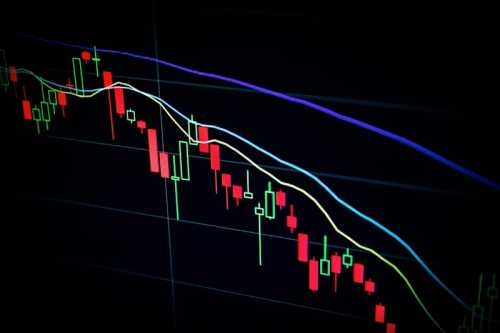
The immediate reaction on Wall Street was nothing short of euphoric. The S&P 500 surged by 3.2% in the hours following the announcement, erasing all losses incurred during the spring's geopolitical turmoil, while the tech-heavy Nasdaq Composite skyrocketed by over 4.5%. However, the most profound market movement occurred in the bond market. The yield on the benchmark 10-year U.S. Treasury note plunged by 45 basis points to 3.6%, reflecting the market's belief that the era of "higher for longer" interest rates is officially over. This bond rally is critical because the 10-year yield serves as the baseline for almost all long-term borrowing in the economy, including mortgages and corporate debt. When bond yields fall, the cost of capital decreases, which theoretically stimulates business investment and consumer spending. Institutional investors, who had been heavily parked in cash and short-term money market funds yielding over 5%, are now being forced to scramble. This "cash on the sidelines," estimated at over $6 trillion, is now expected to flood back into equities and corporate bonds, seeking higher returns in a lower-rate environment.
Main Street Impact: The Housing Market Thaw
While Wall Street celebrates, the most tangible impact of the Fed's pivot will be felt on Main Street, particularly in the notoriously frozen housing market. For the past two years, the real estate sector has been paralyzed by the "lock-in effect," where homeowners with 3% mortgages refuse to sell because buying a new home would mean taking on a 7% mortgage. With the 10-year Treasury yield dropping sharply, 30-year fixed mortgage rates are expected to fall from their recent peak of 7.2% down toward the low 6% range in the coming weeks. To understand this, imagine a game of musical chairs where the music suddenly stops and everyone is forced to sit down. Homebuyers who have been waiting on the sidelines for years are now rushing to lock in rates before they potentially rise again, while sellers, seeing increased buyer demand, are finally willing to list their properties. This thaw in the housing market is crucial for the broader economy, as real estate and home-related services (like furniture and construction) account for a significant portion of U.S. GDP. Furthermore, the drop in rates will immediately reduce the interest payments on adjustable-rate mortgages, auto loans, and credit card debt, providing a much-needed boost to the monthly cash flow of millions of American households.
The Risks: Is the Fed Making a Mistake?
Despite the market's celebration, not everyone is convinced that a 50 basis point cut is the right move. A vocal contingent of hawkish economists and market analysts warn that the Fed may be acting too quickly, potentially sowing the seeds for the next inflationary crisis. Their argument hinges on the fragility of the Middle East peace deal. The 14-point MOU is only an interim agreement, and the geopolitical situation in the region remains highly volatile. If the ceasefire collapses, or if a rogue actor disrupts the Strait of Hormuz again, oil prices could spike back to $100+ overnight. If the Fed has already slashed rates and injected liquidity into the system when such a shock occurs, they will have no ammunition left to fight the resulting inflation, forcing them into the painful position of having to hike rates even higher later. Additionally, critics point out that the U.S. labor market, while cooling, remains relatively tight, and wage growth is still outpacing productivity. Cutting rates by half a percent signals a level of emergency that might confuse the public and destabilize long-term inflation expectations. They argue that a more prudent, cautious approach would have been a standard 25 basis point cut, allowing the Fed to assess the durability of the oil price drop before committing to a massive easing cycle.
Global Repercussions and the Weak Dollar
The Fed's aggressive cut also has profound implications for the global economy and the value of the U.S. dollar. As U.S. interest rates fall, the yield advantage that has attracted foreign capital to dollar-denominated assets diminishes. Consequently, the U.S. Dollar Index (DXY) dropped sharply against a basket of major currencies following the announcement. A weaker dollar is a double-edged sword. On the positive side, it makes U.S. exports more competitive on the global market, potentially helping to narrow the trade deficit and boosting the earnings of multinational corporations that generate a large portion of their revenue overseas. It also eases the financial burden on emerging market countries that have borrowed heavily in dollars, as their debt becomes cheaper to service. However, a rapidly depreciating dollar imports inflation, making foreign goods more expensive for American consumers. Furthermore, the European Central Bank (ECB) and the Bank of England are now facing a complex dilemma. With the Fed cutting aggressively, the pressure is on these other major central banks to follow suit to prevent their own currencies from appreciating too much, which would hurt their export sectors. This coordinated global easing could fuel a massive rally in international equities and emerging markets, shifting the center of gravity for global investment away from the U.S. and toward faster-growing economies in Asia and Latin America.
"The Fed has effectively declared victory over inflation, but they are celebrating a ceasefire, not a permanent peace. If the geopolitical winds shift, they may find they have emptied the toolbox before the storm truly passed." - Chief Global Strategist at a Major Wall Street Bank
As the dust settles on this historic policy shift, the focus now turns to the durability of the economic expansion. The Federal Reserve has successfully navigated the most aggressive tightening cycle in four decades without triggering a severe recession, achieving the elusive "soft landing" that many thought impossible. By pivoting sharply in response to the geopolitical breakthrough in the Middle East, Jerome Powell has positioned the U.S. economy for a period of robust, non-inflationary growth. The cost of capital is falling, the housing market is thawing, and consumer confidence is rising. However, the journey ahead is not without its perils. The global economy remains highly sensitive to geopolitical shocks, and the financial markets, now priced for perfection, leave little room for error. The next few months will be a critical test of whether the peace in the Middle East holds, and whether the Federal Reserve's bold gamble on a softer economic landing will pay off, or if the ghosts of inflation past are waiting just around the corner. For now, the brakes are off, the gas pedal is pressed, and the American economy is surging forward into a new, uncertain, but undeniably exciting chapter.
Related Articles
The Macro Fracture: Navigating AI Valuations, Bond Volatility, and the Emerging Market Debt Trap
Aug 23, 2026
The Market’s Fragile Equilibrium: Navigating Valuation Resets, Private Credit Risks, and Macro Fragmentation
Aug 22, 2026
Comments (0)
No comments yet. Be the first to share your thoughts!
Want to join the discussion?
Please log in to post a comment.
Login NoworCreate an Account