
The Submarine and the Screwdriver: How Edge AI and Right-to-Repair Mandates are Breaking the Gadget BOM

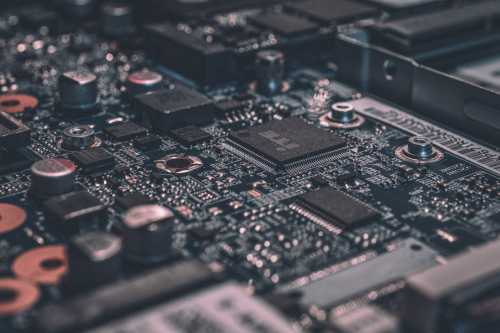
Think of the modern smartphone not as a standalone communication device, but as a highly pressurized submarine. For the past decade, the hull was engineered to withstand the crushing depth of cloud-reliant processing, keeping the internal components small, sealed, and thermally managed. Now, regulators and silicon architects are demanding we install heavy, heat-generating nuclear reactors—on-device AI Neural Processing Units (NPUs)—inside that same hull, while simultaneously mandating that the hull be easily unbolted by a consumer with a standard screwdriver.
The Core Event
The global consumer electronics sector is executing a violent architectural pivot toward on-device Edge AI silicon to circumvent tightening data sovereignty laws, directly colliding with the European Union’s aggressive modular hardware and battery-replaceability mandates. This dual regulatory and silicon squeeze is fundamentally breaking the traditional hardware upgrade cycle and forcing a brutal repricing of the mid-tier gadget Bill of Materials (BOM).
The Unseen Implications
The immediate shockwave impacting [[Consumer Electronics Supply Chain & Edge AI Economics]] is the destruction of the mid-tier margin structure due to the "Edge AI RAM Tax." To run localized, privacy-compliant Large Language Models (LLMs) without relying on cloud APIs, devices require massive local memory buffers. According to primary research from TrendForce, the baseline RAM requirement for on-device generative AI has surged from 8GB to a minimum of 16GB, increasing the memory BOM cost by over 30% for mid-tier devices. This forces Original Equipment Manufacturers (OEMs) into a lose-lose scenario: either absorb the silicon cost and compress margins, or pass it to consumers who are already exhibiting severe hardware fatigue. The unseen reality is that the $400 to $600 smartphone and PC market is being structurally hollowed out, bifurcating the market into ultra-premium AI flagships and stripped-down, "dumb" budget devices.
The second unseen implication is the fatal physics clash between Edge AI thermal loads and the EU’s Right to Repair directives. Brussels has mandated that smartphones and portable electronics must feature user-replaceable batteries by 2027, forcing a return to modular, snap-fit chassis designs. However, on-device AI inference generates immense, localized thermal spikes that require advanced vapor chambers, graphite sheets, and heavily glued, sealed unibody chassis to dissipate heat and maintain IP68 water resistance. According to benchmarking data from independent thermal analysis, sustained on-device LLM inference causes NPU junction temperatures to exceed 85°C within 45 seconds, forcing severe clock-speed throttling. You cannot engineer a heavily glued, vapor-chambered thermal dissipation system that also allows a teenager to pop the back glass off with a suction cup. OEMs are quietly lobbying for exemptions, knowing that compliance with one mandate inherently violates the physics of the other.
The third implication involves the silent acceleration of hardware obsolescence via software gating, which is drastically altering consumer refresh cycles. To justify the massive R&D spend on custom ARM-based AI silicon, Apple and Qualcomm are artificially gating advanced OS features behind NPU requirements. According to IDC's latest mobility tracker, the global smartphone refresh cycle has stretched to a record 51 months, rendering the hardware premium of Edge AI entirely unamortizable over the device's usable lifespan. Consumers are refusing to upgrade because their 3-year-old devices still function perfectly for traditional tasks, leaving OEMs with massive unsold channel inventory and forcing them to rely on aggressive trade-in subsidies to artificially stimulate demand.
The Historical Precedent
The closest historical analog is the 1990s digital camera sensor war between CCD and CMOS architectures. Initially, CCD sensors provided vastly superior image quality but consumed massive amounts of power and required bulky, heat-dissipating battery grips. CMOS sensors were initially inferior in low light but allowed for radical miniaturization, lower power consumption, and integration directly onto the logic board. The consumer electronics industry ultimately bet everything on CMOS, despite early quality deficits, because it aligned with the physical and thermal constraints of portable, pocketable devices. The lesson for today’s gadget market is stark: the architecture that solves the physical and thermal constraints of the form factor always wins, regardless of raw benchmark superiority. If Edge AI NPUs cannot solve the thermal throttling issues within a modular, user-repairable chassis, the market will ruthlessly reject them in favor of highly optimized, cloud-dependent legacy architectures.
Actionable Takeaways
For corporate IT procurement officers, the immediate mandate is to halt standard 3-year PC and mobile refresh cycles and extend them to 5 years. The current generation of "AI PCs" and NPU-heavy smartphones are essentially expensive, thermally constrained beta hardware for unoptimized local models; buying them now is a misallocation of capital. For citizens and retail consumers, the optimal strategy is to purchase the last generation of "dumb" flagship devices (e.g., 2023/2024 models). These devices offer peak physical build quality, superior thermal management, and lower entry prices without the artificial software-enforced obsolescence and massive RAM premiums of the new Edge AI tax. Independent repair shops should aggressively stockpile OEM parts and legacy logic boards from the 2022-2024 era, as the impending modularity mandates will create a massive secondary market for hybrid, frankenstein-device repairs that bypass proprietary AI software locks.
Future Forecast
Over the next six months, the landscape will be defined by a wave of "AI-washing" regulatory probes and consumer class-action lawsuits as buyers realize their expensive on-device NPUs are thermally throttling and defaulting to cloud processing anyway. We will see a pronounced geographic bifurcation in hardware design: mid-tier OEMs will openly split their product lines, offering "EU-compliant modular" phones with weak AI and thick bezels, alongside "Global sealed" phones with strong AI and vapor chambers. Concurrently, expect a severe contraction in tier-two semiconductor suppliers who cannot afford the $200M+ R&D tape-out costs required to integrate competitive NPUs into budget silicon, leading to a rapid consolidation of the global gadget supply chain into a rigid Apple-Qualcomm-MediaTek oligopoly.



Comments (0)
No comments yet. Be the first to share your thoughts!
Want to join the discussion?
Please log in to post a comment.
Login NoworCreate an Account