
Trump and Iran Seal Historic Peace Deal at Versailles

In a stunning diplomatic breakthrough, U.S. President Donald Trump and Iranian President Masoud Pezeshkian signed a 14-point Memorandum of Understanding at the Palace of Versailles on June 18, 2026—effectively ending active hostilities between their nations and reopening the strategically vital Strait of Hormuz.
The agreement, forged after months of backchannel talks and finalized during high-stakes negotiations in Switzerland, mandates an immediate ceasefire across all fronts—including Lebanon—and lifts the U.S. naval blockade that had choked Iranian oil exports. In return, Tehran commits to rolling back aspects of its nuclear and ballistic missile programs while allowing enhanced international inspections.
Crucially, the deal stipulates that American military presence in the region will revert to pre-war levels within 30 days of a final accord. Both leaders hailed the MOU as a “foundation for lasting peace,” though analysts caution that implementation hurdles remain, particularly around sanctions relief and verification mechanisms.
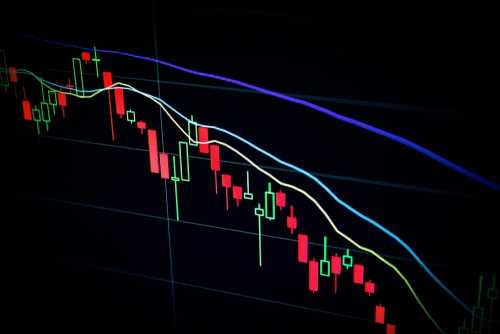
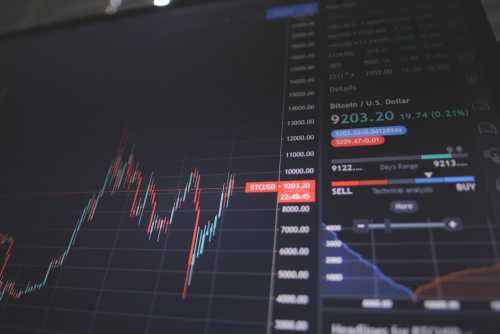
The signing ceremony—held beneath gilded chandeliers in the Hall of Mirrors—symbolically echoed past peace treaties while signaling a dramatic pivot from years of brinkmanship. Global markets reacted positively, with oil prices dropping over 7% on news of the Hormuz reopening.

Comments (0)
No comments yet. Be the first to share your thoughts!
Want to join the discussion?
Please log in to post a comment.
Login NoworCreate an Account