
Trump Imposes 100% Tariff on Pharmaceuticals in Major Trade Policy Shift

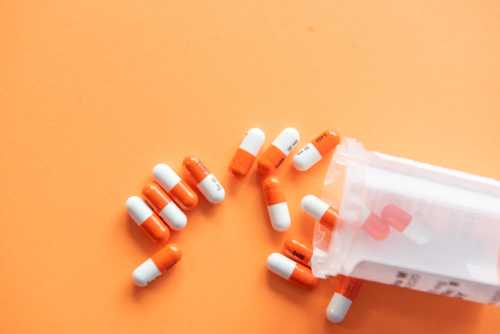
In a dramatic escalation of his "America First 2.0" trade doctrine, President Donald Trump announced on June 19, 2026, the imposition of a 100% tariff on all imported pharmaceuticals ort.org . The sweeping measure, which takes effect immediately, is designed to force drug manufacturing back to American soil and reduce the United States' reliance on foreign supply chains, particularly those in China and India. The announcement sent shockwaves through the global healthcare industry and triggered an immediate debate over the impact on domestic drug prices and patient access to essential medications.
Economic Impact: The 100% tariff is expected to drastically increase the cost of imported generic drugs in the short term, though the administration argues it will stimulate long-term domestic manufacturing and job creation.
The Trump administration's foreign policy doctrine is taking shape through these aggressive economic maneuvers, prioritizing national security and supply chain resilience over free trade principles moderndiplomacy.eu . By targeting the pharmaceutical sector, the White House is addressing a vulnerability exposed during the early 2020s, when global disruptions led to severe shortages of critical antibiotics and active pharmaceutical ingredients (APIs). The administration argues that allowing a strategic industry of this magnitude to be dominated by foreign adversaries is an unacceptable risk to national security.
However, the policy has drawn fierce criticism from healthcare providers, patient advocacy groups, and economic analysts. The Pharmaceutical Research and Manufacturers of America (PhRMA) warned that the tariff would act as a massive tax on American patients, many of whom rely on affordable generic imports to manage chronic conditions. "This policy will inevitably lead to higher prices at the pharmacy counter and potential shortages of life-saving medications," said a spokesperson for the Alliance for Aging Research. The concern is that domestic manufacturing capacity cannot be scaled up quickly enough to meet the sudden demand, creating a dangerous gap in the supply chain.
The geopolitical ramifications of the 100% pharmaceutical tariff are equally significant. The move is likely to provoke retaliatory measures from trading partners, potentially sparking a broader trade war that could extend beyond the healthcare sector. China, which dominates the global market for API production, has already signaled that it will challenge the tariff at the World Trade Organization and may impose export restrictions on critical raw materials. This tit-for-tat dynamic threatens to further destabilize an already fragile global economy.
As the June 19 policy takes effect, the focus shifts to the implementation and the immediate market reaction. The Trump administration has indicated that it may offer waivers to certain companies that commit to building new manufacturing facilities in the United States, using the tariff as a lever to extract massive capital investments. Whether this strategy will succeed in reshoring the pharmaceutical industry without causing severe short-term economic pain remains to be seen. For now, the 100% tariff stands as the most aggressive use of executive trade power in modern history, a defining moment in the evolution of American economic nationalism.
Related Articles
The Institutional Fault Line: How Judicial Overreach and Trade Wars Are Reshaping U.S. Markets
Aug 23, 2026
The Fractured Consensus: How Trade Volatility and Institutional Strain Are Rewiring U.S. Macroeconomics
Aug 22, 2026
Comments (0)
No comments yet. Be the first to share your thoughts!
Want to join the discussion?
Please log in to post a comment.
Login NoworCreate an Account