
Trump's Historic Iran Deal: 60-Day Ceasefire Framework Reached After Months of Tensions

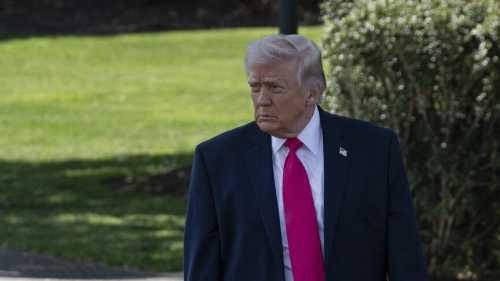
WASHINGTON — In a dramatic diplomatic breakthrough, the United States and Iran have reached a preliminary agreement that could reshape Middle East stability and global energy markets.
On June 15, 2026, U.S. and Iranian officials finalized a memorandum of understanding (MoU) establishing a 60-day ceasefire framework. The agreement, brokered through indirect negotiations, represents the culmination of months of intense diplomatic efforts under President Trump's administration.
What's Inside the Deal
The framework centers on three critical components that address immediate security concerns while setting the stage for more comprehensive negotiations:
- Strait of Hormuz Reopening: Iran has committed to clearing mines deployed in the strategic waterway and allowing commercial shipping to pass freely without tolls. The strait, through which approximately 20% of global oil consumption flows, has been a flashpoint during the conflict.
- Sanctions Relief: In exchange, the United States will lift its naval blockade on Iranian ports and issue sanctions waivers enabling Iran to sell oil freely on international markets. This move is expected to provide significant relief to both Iran's economy and global oil prices.
- Frozen Assets: The deal includes discussions on releasing up to $25 billion in Iranian assets currently frozen by the United States, contingent on Iran's compliance with the agreement terms.
The Nuclear Question Remains
While the MoU addresses immediate security and economic concerns, the thorny issue of Iran's nuclear program has been deferred to future negotiations. Iran has provided verbal commitments to never pursue nuclear weapons and to negotiate over suspending its uranium enrichment program and disposing of highly enriched uranium stockpiles.
However, U.S. officials emphasize that concrete actions on nuclear issues will only be implemented as part of a final, verifiable agreement reached during the 60-day period. The temporary nature of this framework means both sides have strong incentives to continue negotiating in good faith.
Regional Implications
The agreement also includes provisions for ending hostilities between Israel and Hezbollah in Lebanon, though Israeli Prime Minister Benjamin Netanyahu has expressed concerns about this condition. U.S. officials have assured that the ceasefire would not be one-sided and that Israel retains the right to act if Hezbollah attempts to rearm or instigate attacks.
President Trump announced that a formal signing ceremony will take place in Europe, though the exact date and location have not yet been disclosed. The deal represents a significant diplomatic achievement but faces scrutiny from multiple stakeholders who remain skeptical about Iran's long-term intentions.
What Happens Next: U.S. military forces mobilized in the region will remain in place during the 60-day period and will only withdraw if a final comprehensive deal is reached. The clock is now ticking for both sides to transform this preliminary framework into lasting peace.



Comments (0)
No comments yet. Be the first to share your thoughts!
Want to join the discussion?
Please log in to post a comment.
Login NoworCreate an Account