
UN Report: Government Forces Identified as Top Violators of Children in Armed Conflict

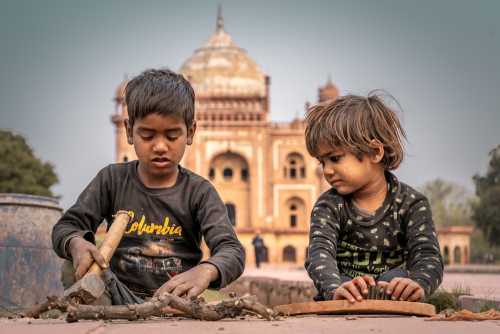
A harrowing new report released by the United Nations on June 19, 2026, has identified government forces as the primary perpetrators of grave violations against children in conflict zones worldwide, a finding that underscores the tragic failure of state actors to protect their most vulnerable citizens. The comprehensive analysis, compiled by the Office of the Special Representative of the Secretary-General for Children and Armed Conflict, documents thousands of verified incidents of killing, maiming, recruitment, and sexual violence involving minors over the past year. The report paints a bleak picture of the state of global child protection, revealing that the very institutions mandated to ensure security and order are often the ones responsible for the most egregious abuses. The UN has strongly condemned these findings, calling on all governments to immediately cease these violations, hold perpetrators accountable, and fully implement the international frameworks designed to shield children from the devastating impacts of war. The release of this report is expected to intensify diplomatic pressure on the offending nations and spark renewed debates in the UN Security Council regarding the enforcement of children's rights in conflict.
The Findings: A Catalog of Grave Violations
The UN report categorizes the violations into six grave breaches of international law, known as the "Six Grave Violations": killing and maiming, recruitment or use of children as soldiers, sexual violence, abduction, attacks against schools or hospitals, and denial of humanitarian access. The data reveals a disturbing trend: while non-state armed groups continue to commit horrific abuses, government military and security forces are now responsible for the majority of verified incidents. This shift is attributed to the increasing use of heavy weaponry, including explosive weapons in populated areas, by state militaries in their efforts to quell insurgencies or combat terrorist organizations. The indiscriminate nature of these attacks inevitably results in high civilian casualties, with children bearing a disproportionate brunt of the violence. Furthermore, the report highlights the alarming practice of state-sponsored militias and proxy forces, which operate with the tacit or explicit support of governments, engaging in the recruitment and use of child soldiers. The documentation of these violations is based on rigorous field investigations and cross-verification by UN personnel on the ground, ensuring the accuracy and credibility of the findings.
The Devastating Impact on Children's Lives
The impact of these violations on the lives of children is profound and long-lasting, extending far beyond the immediate physical injuries. Children who survive attacks often suffer from severe psychological trauma, including post-traumatic stress disorder, anxiety, and depression, which can hinder their cognitive development and ability to function in society. Those recruited into armed forces or groups are deprived of their childhood, education, and the opportunity to develop in a safe and nurturing environment. They are often forced to commit atrocities, further compounding their trauma and making their reintegration into society extremely challenging. The denial of humanitarian access and the destruction of schools and hospitals deprive children of essential services, including healthcare, nutrition, and education, setting back their prospects for years to come. The report emphasizes that an entire generation is at risk of being lost to conflict, lacking the skills and stability needed to rebuild their communities and contribute to post-conflict recovery. The international community must recognize that the cost of these violations is not just measured in the immediate suffering but in the lost potential of millions of young lives.
Advocate for Children in Conflict: Support the global effort to protect children in armed conflict by following UNICEF on X (formerly Twitter) at @UNICEF or learn more about the Six Grave Violations on the official UN Children and Armed Conflict website.
Accountability and the Challenge of Justice
One of the most critical aspects of the UN report is its focus on accountability. The culture of impunity that surrounds the commission of these grave violations is a major obstacle to their prevention. The report notes that very few perpetrators, particularly those within government forces, are ever brought to justice. This lack of accountability sends a dangerous message that such crimes will be tolerated, emboldening further violations. The UN is calling for the establishment of independent, impartial investigative mechanisms to document these crimes and for the referral of the most serious cases to the International Criminal Court (ICC) or other competent judicial bodies. Furthermore, the report emphasizes the need for domestic legal reforms to ensure that national military justice systems are capable and willing to prosecute their own personnel for crimes against children. Sanctions, including arms embargoes and targeted financial restrictions, are also recommended as tools to pressure offending governments to change their behavior. However, the application of these measures is often hindered by geopolitical considerations and the veto power of permanent members of the Security Council, highlighting the political challenges inherent in enforcing international humanitarian law.
The Role of Non-State Actors and Complex Conflicts
While the report identifies government forces as the top violators, it does not absolve non-state armed groups of their significant and often brutal contributions to the crisis. In many conflict zones, the lines between state and non-state actors are blurred, with a complex web of militias, proxy forces, and terrorist organizations operating with varying degrees of autonomy. These groups frequently engage in the systematic recruitment of child soldiers, the use of sexual violence as a weapon of war, and the deliberate targeting of civilian infrastructure. The asymmetric nature of modern conflicts, where non-state actors often operate within civilian populations, further complicates the protection of children. Government forces, in their efforts to root out these groups, may resort to tactics that violate international humanitarian law, such as indiscriminate bombardment or the siege of populated areas. The report calls for a comprehensive approach that addresses the actions of all parties to the conflict, urging non-state actors to enter into action plans with the UN to cease violations and release children from their ranks. Engaging with these groups, however difficult, is essential for the protection of children on all sides of the conflict.
Calls for International Action and Prevention
The release of this damning report is a clarion call for the international community to redouble its efforts to protect children in armed conflict. The UN is urging all member states to ratify and fully implement the Optional Protocol to the Convention on the Rights of the Child on the involvement of children in armed conflict. Furthermore, there is a push to strengthen the "Children and Armed Conflict" agenda within the Security Council, ensuring that the protection of minors is a central consideration in all peacekeeping mandates and political missions. The report also highlights the critical need for increased funding for child protection services in humanitarian responses, including the provision of psychosocial support, education in emergencies, and family tracing and reunification programs. Prevention is key, and this requires addressing the root causes of conflict, including poverty, inequality, and political marginalization. By investing in peacebuilding, governance, and sustainable development, the international community can help create the conditions where children can grow up in safety and dignity, free from the scourge of war. The future of these children, and indeed the future of their societies, depends on the actions taken today.
Related Articles

The Architecture of Fragmentation: Navigating the Multipolar Shift in Global Governance
Aug 22, 2026
The Friction Premium: How Geopolitical Realignment is Rewiring Global Capital and Trade in 2026
Aug 22, 2026
Comments (0)
No comments yet. Be the first to share your thoughts!
Want to join the discussion?
Please log in to post a comment.
Login NoworCreate an Account