
UN Reports Unprecedented 117.8 Million Globally Displaced Persons Amid Escalating Crises

In a sobering milestone that underscores the deepening humanitarian crises around the world, the United Nations has announced that global displacement has reached an unprecedented 117.8 million people. This staggering figure, released in a comprehensive report on June 19, 2026, reflects the relentless impact of armed conflicts, systemic persecution, and increasingly severe climate-related disasters that continue to uproot millions from their homes. The report paints a grim picture of a world where the fundamental right to safety and shelter is being denied to a population larger than the entire population of many nations. The UN High Commissioner for Refugees described the situation as a profound failure of international diplomacy and conflict resolution, calling for an immediate and coordinated global response to address the root causes of this mass displacement. As host countries struggle to cope with the influx of vulnerable populations, and humanitarian agencies face chronic underfunding, the international community is being urged to move beyond temporary fixes and invest in long-term, sustainable solutions that protect the dignity and rights of the displaced.
The Root Causes: Conflict, Persecution, and Instability
The primary driver of this unprecedented displacement remains the proliferation of armed conflicts and protracted crises across multiple regions. From the ongoing war in Eastern Europe to the devastating civil conflicts in parts of Africa and the Middle East, millions are fleeing violence, destruction, and the collapse of essential services. The report highlights that in many of these zones, the rules of war are being flagrantly ignored, with civilian infrastructure such as hospitals, schools, and water systems deliberately targeted. This tactic of warfare not only causes immediate casualties but also renders entire regions uninhabitable, forcing populations to cross borders in search of survival. Furthermore, systemic persecution based on ethnicity, religion, and political affiliation continues to drive targeted displacement, as minority groups seek refuge from authoritarian regimes and non-state armed actors. The international community's inability to effectively mediate these conflicts or hold perpetrators accountable has created a vacuum where violence thrives, and displacement becomes the only option for survival for countless families.
Climate Change: The Accelerating Threat Multiplier
While conflict remains the dominant cause of displacement, the UN report places significant emphasis on the rapidly growing role of climate change as a threat multiplier. Extreme weather events, including prolonged droughts, devastating floods, and intense hurricanes, are increasingly displacing communities, particularly in the Global South. In regions heavily dependent on agriculture, the failure of seasonal rains or the destruction of crops by natural disasters can mean the difference between life and death, prompting entire villages to migrate to urban centers or across international borders. The report notes that climate-induced displacement is often internal, but as habitable land shrinks and resources become scarcer, cross-border movements are on the rise. Unlike refugees fleeing conflict, however, those displaced by climate events often fall into a legal gray area, lacking the specific protections afforded by the 1951 Refugee Convention. This gap in international law leaves millions vulnerable and without access to essential services, highlighting the urgent need for new frameworks to address the unique challenges of climate migration.
Support Humanitarian Efforts: Learn more about the global displacement crisis and how you can help on Facebook at UNHCR - The UN Refugee Agency or follow real-time updates on X (formerly Twitter) at @UNHCR.
The Humanitarian Crisis and Funding Gaps
The sheer scale of the displacement crisis has placed an immense strain on the international humanitarian system. Agencies tasked with providing life-saving assistance—such as food, clean water, shelter, and medical care—are operating beyond their capacity, exacerbated by severe funding shortfalls. The UN reports that many of its major humanitarian appeals are critically underfunded, forcing difficult decisions about where to allocate limited resources. In some refugee camps, rations have been cut, and essential health services have been scaled back, leading to deteriorating living conditions and increased vulnerability to disease. The burden of hosting the vast majority of the world's refugees continues to fall disproportionately on low- and middle-income countries, which often lack the infrastructure and economic resources to support large influxes of displaced persons. This inequity highlights the urgent need for greater international burden-sharing, where wealthier nations provide not only financial assistance but also opportunities for resettlement and integration, thereby alleviating the pressure on host communities.
The Impact on Children and Future Generations
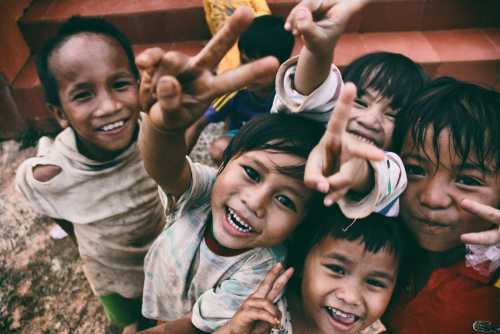
Perhaps the most tragic aspect of the global displacement crisis is its disproportionate impact on children. The UN report reveals that nearly half of all forcibly displaced people worldwide are minors. These children face unimaginable hardships, including the loss of their homes, separation from family members, and the trauma of witnessing violence and destruction. Access to education is severely disrupted, with millions of refugee children out of school, jeopardizing their future prospects and perpetuating cycles of poverty and marginalization. Furthermore, displaced children are at a heightened risk of exploitation, abuse, and recruitment by armed groups. The psychological toll of displacement, characterized by chronic stress and uncertainty, can have lifelong consequences on their mental and physical health. The international community must prioritize the protection and well-being of these children, ensuring that they have access to quality education, psychosocial support, and a safe environment in which to grow and develop. Failing to invest in this generation will have profound implications for global stability and prosperity in the decades to come.
Calls for Comprehensive and Long-Term Solutions
In light of these grim findings, the UN and various humanitarian organizations are calling for a paradigm shift in how the world addresses displacement. The focus must move beyond mere emergency response to tackling the root causes of forced migration. This requires robust diplomatic efforts to resolve conflicts, promote good governance, and protect human rights. Additionally, there is a pressing need to significantly increase climate finance to help vulnerable nations adapt to the impacts of global warming and build resilience against future disasters. On the legal front, experts are advocating for the expansion of international protection frameworks to include those displaced by climate change and environmental degradation. Finally, host countries must be supported in their efforts to integrate refugees into their national systems, providing them with the legal right to work, access to public services, and pathways to citizenship. Only through a comprehensive, coordinated, and compassionate global response can the international community hope to reverse this alarming trend and restore hope to the 117.8 million people who have been forced to flee their homes.
Related Articles
The Architecture of Fragmentation: Navigating the Multipolar Shift in Global Governance
Aug 22, 2026
The Friction Premium: How Geopolitical Realignment is Rewiring Global Capital and Trade in 2026
Aug 22, 2026
Comments (0)
No comments yet. Be the first to share your thoughts!
Want to join the discussion?
Please log in to post a comment.
Login NoworCreate an Account