
US and Pakistan Launch "Strategic Green Energy Partnership" to Fund Massive Solar and Hydro Projects

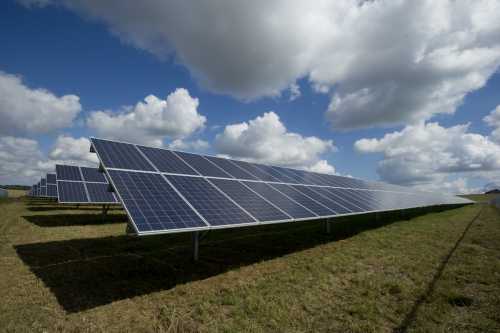
Imagine your family has been heating your home and cooking your food by burning expensive, smoky wood that you have to buy from a grumpy neighbor across the street. Every time the neighbor gets angry, he raises the price of the wood, and your family struggles to afford it. One day, a wise friend comes over and says, "Why are you buying his wood? The sun shines on your roof every single day for free! Let me help you build a magical sun-catcher (solar panel) so you can make your own heat and light for free." This is exactly what the United States is doing for Pakistan. For decades, Pakistan has relied heavily on expensive, imported fossil fuels (oil and gas) to generate its electricity. This has led to massive debt, crippling energy shortages, and terrible air pollution. On June 28, 2026, the US State Department and the Pakistani Ministry of Energy officially launched the "Strategic Green Energy Partnership." This is a multi-billion dollar initiative to help Pakistan transition away from imported fossil fuels and build a massive, modern, and clean renewable energy grid using solar, wind, and hydroelectric power. Let us explore how this partnership works, the specific projects it will fund, and why it is a game-changer for Pakistan's economy and the global climate.
The Root of the Problem: Pakistan's Energy Crisis
To understand why this partnership is so critical, we must look at the deep, structural problems in Pakistan's energy sector. Pakistan imports over 80 percent of its oil and a significant portion of its natural gas. When the global prices of these fuels go up, the cost of generating electricity in Pakistan skyrockets. This leads to two massive problems. First, the government has to subsidize the electricity to keep it affordable for the common people, which adds billions of rupees to the national deficit. Second, if they do not subsidize it, the electricity bills become so high that factories cannot afford to run their machines, and regular citizens cannot afford to turn on their fans in the middle of a brutal summer. This leads to "load shedding," or planned power outages, where the government simply turns off the electricity for several hours a day because they do not have enough fuel to generate it.
Furthermore, this reliance on imported fuel creates a massive "circular debt" crisis. The power companies buy the expensive fuel, generate the electricity, but cannot collect the full payment from consumers and the government. They then cannot pay the fuel suppliers, who stop sending fuel, which leads to more power outages. It is a vicious, endless cycle. The only way to break this cycle is to switch to energy sources that do not require importing fuel. Pakistan has incredible potential for solar energy (especially in the sunny deserts of Sindh and Balochistan), wind energy (along the coastal belt), and hydroelectric power (from the massive rivers flowing from the Himalayas). But building these massive infrastructure projects requires billions of dollars in upfront capital and advanced technology that Pakistan currently lacks. This is where the United States steps in.
The Partnership: How the US is Helping Pakistan Go Green
The "Strategic Green Energy Partnership" is not just a simple donation of money; it is a comprehensive, multi-layered strategy to completely overhaul Pakistan's energy grid. The first component is "Direct Project Financing." The US, through the United States Agency for International Development (USAID) and in coordination with the World Bank and the Asian Development Bank, is providing 3 billion dollars in concessional loans (loans with very low interest rates and long repayment periods) specifically for renewable energy projects. The flagship project under this partnership is the "Thar Solar Mega-Park." Located in the Thar Desert, this project will utilize advanced, high-efficiency solar panels and massive battery storage systems to generate 2,000 megawatts of clean electricity. This is enough to power the entire city of Karachi and its surrounding industrial zones, completely eliminating the load shedding that has plagued the economic hub for decades.
The second component is "Technology Transfer and Grid Modernization." Generating green energy is only half the battle; you also need a smart grid that can handle it. Solar and wind power are "intermittent," meaning they only work when the sun shines or the wind blows. If you just plug them into an old, dumb grid, the system will crash. The US is sharing its most advanced "Smart Grid" technology with Pakistan. This includes AI-driven software that can predict weather patterns to forecast exactly how much solar and wind power will be generated on any given day, and automatically balance the load by drawing power from hydroelectric dams or battery storage when the sun goes down. American engineers are working side-by-side with Pakistani technicians to upgrade the national transmission lines, reducing the massive amounts of electricity that are currently lost as heat during transmission.
The third component is "Capacity Building and Green Jobs." The partnership includes a massive educational initiative. The US is funding the establishment of "Centers of Excellence for Renewable Energy" at major Pakistani universities like NUST, LUMS, and UET. These centers will train the next generation of Pakistani engineers, scientists, and policy-makers in the latest green technologies. Furthermore, the construction and maintenance of these massive solar and wind farms will create tens of thousands of direct, high-paying jobs in rural and underdeveloped areas. This ensures that the green transition is not just good for the environment, but also a powerful engine for economic development and poverty alleviation.
Proud to launch the Strategic Green Energy Partnership with Pakistan. By investing in solar, wind, and hydro, we are helping Pakistan achieve energy independence, create thousands of jobs, and lead the fight against climate change. #GreenEnergy #USPakistan
— USAID (@USAID) June 28, 2026
The Environmental and Geopolitical Impact
The environmental benefits of this partnership are staggering. By replacing imported fossil fuels with clean, renewable energy, Pakistan will reduce its carbon emissions by millions of tons every year. This is a massive contribution to the global fight against climate change, especially considering that Pakistan is one of the top 10 most vulnerable countries to climate impacts like floods and heatwaves. Furthermore, the reduction in burning fossil fuels will drastically improve the air quality in cities like Lahore and Karachi, which currently suffer from some of the most toxic smog in the world. The health benefits alone, in terms of reduced respiratory diseases, will save the Pakistani healthcare system billions of rupees.
Geopolitically, this partnership is a masterstroke. By helping Pakistan achieve energy independence, the US is reducing Pakistan's vulnerability to the volatile global oil market and its reliance on expensive loans from countries like China and Saudi Arabia to pay for fuel imports. A Pakistan that generates its own power from its own sun and water is a sovereign, resilient, and stable partner. It also aligns perfectly with the US's own global climate goals. The US has committed to helping developing nations transition to green energy, and this partnership is the crown jewel of that commitment in South Asia. It proves that the US is not just a security partner, but a true friend invested in the long-term, sustainable prosperity of the Pakistani people.
The Road Ahead: Challenges and the Future of Energy
Overcoming the Bureaucratic Hurdles
While the partnership is a massive step forward, the road to implementation is paved with challenges. Pakistan's energy sector is notoriously bureaucratic and plagued by inefficiencies. The independent power producers (IPPs) who have signed long-term, expensive contracts to burn imported fuel are fiercely resisting the shift to renewables, as it threatens their profits. The government will have to navigate complex legal and political battles to renegotiate these contracts and shift the focus to green energy. Furthermore, the initial capital required to build the massive battery storage systems needed for the smart grid is incredibly high, and the US loans only cover a portion of it. Pakistan will need to attract significant private foreign investment to fill the gap.
Despite these hurdles, the momentum is undeniable. The "Strategic Green Energy Partnership" represents a fundamental shift in how the US and Pakistan engage with each other. It moves the relationship away from short-term, crisis-driven aid towards long-term, strategic investment in sustainable development. It is a recognition that the greatest security threat to Pakistan in the 21st century is not just terrorism, but energy poverty and climate change. By helping Pakistan harness the power of its sun, wind, and water, the United States is not just keeping the lights on; it is lighting the path to a prosperous, independent, and green future for one of the most important nations in the world. The magical sun-catchers are being built, and the era of expensive, smoky wood is finally coming to an end. Read the full report on The Express Tribune.
Related Articles

The Macro Fracture: Navigating AI Valuations, Bond Volatility, and the Emerging Market Debt Trap
Aug 23, 2026
The Market’s Fragile Equilibrium: Navigating Valuation Resets, Private Credit Risks, and Macro Fragmentation
Aug 22, 2026
Comments (0)
No comments yet. Be the first to share your thoughts!
Want to join the discussion?
Please log in to post a comment.
Login NoworCreate an Account