
US Budget Deficit to Soar by $1 Trillion Over Next Decade, Watchdog Warns

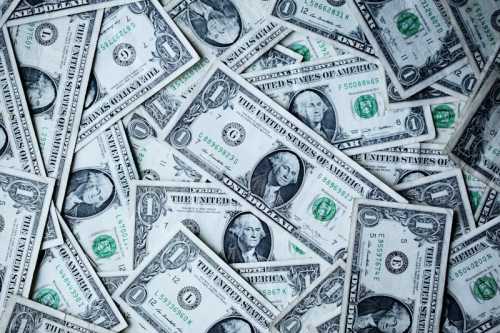
The United States is facing a fiscal cliff of unprecedented proportions, according to a stark new warning from the Committee for a Responsible Federal Budget (CRFB). The non-partisan budget watchdog projects that US federal budget deficits will be nearly $1 trillion higher over the next decade than previously estimated. The cumulative deficit from fiscal 2026 to 2035 is now forecast to reach a staggering $22.7 trillion. This explosive growth in debt is driven by a combination of sweeping tax cuts, increased spending legislation, and new tariffs, painting a grim picture of the world's largest economy's long-term financial health.
What is a Budget Deficit and Why is it Bad?
Imagine you get a weekly allowance of $10 from your parents. But you really want a new video game that costs $15. You buy the game anyway, but you have to borrow the extra $5 from your friend. Next week, you get your $10 allowance, but you still have to pay your friend back the $5 you owe, plus maybe they ask for an extra $1 as a "thank you" (interest). Now you are even more in debt. A budget deficit is exactly this: when the government spends more money than it collects in taxes. To pay the difference, the government borrows money by selling "Treasury bonds" to investors and other countries. The problem is, the US is doing this on a scale of trillions of dollars, and the "thank you" (interest payments) is becoming so massive that it eats up the entire budget.
The $22.7 Trillion Nightmare
The CRFB's latest forecasts show a cumulative deficit of $22.7 trillion from fiscal 2026 to 2035. To put that into perspective, $22.7 trillion is more than the entire economic output of the United States in a single year. The watchdog notes that the deficit will hit $1.7 trillion in fiscal 2025 (about 5.6% of GDP) and will steadily rise to $2.6 trillion by 2035. The primary culprits for this increase are the "One Big Beautiful Bill Act" (a massive tax and spending bill) and new tariffs. While tariffs (taxes on imported goods) are expected to generate an extra $3.4 trillion in revenue, it is not enough to offset the $4.6 trillion increase in deficits caused by the new tax cuts and spending.
The Interest Payment Crisis
Perhaps the most alarming part of the report is the cost of servicing this debt. Net interest payments on the national debt will total $14 trillion over the next decade. By 2035, the US will be spending $1.8 trillion a year just to pay the interest on its credit card bills. That is 4.1% of the entire GDP, going purely to interest—money that could have been spent on schools, roads, or the military. This creates a dangerous "debt spiral" where the government has to borrow even more money just to pay the interest on the money it already borrowed.
Official Sources & Social Media
For the full report and detailed economic analysis, visit the Committee for a Responsible Federal Budget:
CRFB Official Report on US DeficitGlobal Implications of US Debt
The US dollar is the world's reserve currency, and US Treasury bonds are considered the safest investment on the planet. But if the world starts to worry that the US is borrowing too much and can't pay it back, investors might demand much higher interest rates to lend money to the US. This would cause interest rates to skyrocket globally, making it more expensive for everyone—from a family buying a home in Pakistan to a business expanding in Europe—to borrow money. The CRFB's warning is a stark reminder that even the world's superpower is not immune to the laws of math and economics.
Related Articles
The Multipolar Fracture: Navigating Defense Realignment, Institutional Arbitrage, and Tactical Instability
Aug 23, 2026
The Architecture of Fragmentation: Navigating the Multipolar Shift in Global Governance
Aug 22, 2026
Comments (0)
No comments yet. Be the first to share your thoughts!
Want to join the discussion?
Please log in to post a comment.
Login NoworCreate an Account