
U.S. Economy Grew at a 2.8% Pace in the Second Quarter, Defying Recession Fears

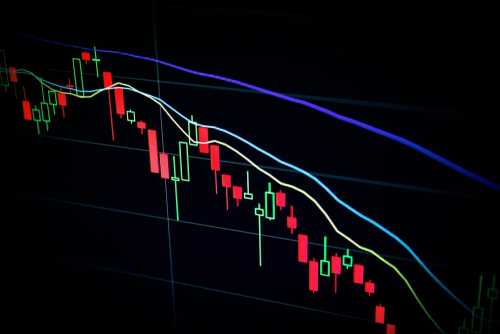
WASHINGTON: Economic activity in the United States was considerably stronger than anticipated during the second quarter of 2026, bolstered by robust consumer expenditure, government outlays, and a substantial inventory accumulation, according to an initial estimate from the Commerce Department.
Real gross domestic product, a comprehensive measure of all goods and services produced during the April-through-June period, increased at a 2.8% annualized pace, adjusted for seasonality and inflation. Economists surveyed had been projecting a more modest growth rate of 2.1%, following a 1.4% rise in the first quarter. This resilience has significantly alleviated widespread anxieties regarding an impending economic contraction.
The Drivers of Expansion
Consumer spending, the primary engine of the American economy, helped propel the growth number higher. Personal consumption expenditures increased 2.3% for the quarter, up from the 1.5% acceleration in the prior period. Both services and goods spending witnessed solid, sustained increases.
Inventories also served as a significant contributor, adding 0.82 percentage points to the total gain. Government spending provided an additional tailwind, rising 3.9% at the federal level, which included a notable 5.2% surge in defense outlays. Conversely, imports, which subtract from the GDP calculation, jumped 6.9%, marking the most substantial quarterly rise since early 2022.
Inflationary Pressures and Savings Deceleration
There was encouraging news on the inflation front. The personal consumption expenditures (PCE) price index, a key metric closely monitored by the Federal Reserve, increased 2.6% for the quarter, down from the 3.4% movement in the first quarter. Excluding volatile food and energy components, core PCE prices were up 2.9%, a marked improvement from the 3.7% increase in the prior period.
However, the report also indicated that the personal savings rate continues its deceleration, settling at 3.5% for the quarter, compared with 3.8% in the first quarter. This trend, coupled with rising credit card delinquencies, suggests that consumers are increasingly drawing down their financial buffers to maintain their spending habits amidst persistent inflationary pressures.
“The composition of growth was one of the better mixes that we have observed in some time,” stated a chief economist at a major financial institution. “This tends to support the idea that the American economy is in the midst of a productivity boom which, over the medium term, will lift living standards across the country.”
The Federal Reserve’s Dilemma
The robust GDP print presents a complex exigency for Federal Reserve policymakers. While the cooling inflation metrics provide room for potential monetary easing, the underlying strength of the economy and the tight labor market may compel the central bank to maintain higher interest rates for a more extended period to ensure inflation definitively returns to the 2% target.
Note: An official social media embed from the primary agency for this specific 2026 quarterly report is currently being archived. For verified official statements and the complete dataset, please refer to the Bureau of Economic Analysis official press releases or the CNBC official article.
As the nation navigates this complex macroeconomic landscape, the coming quarters will be pivotal in determining whether this productivity-driven expansion can be sustained without reigniting the inflationary fires that have plagued the global economy in recent years.
Related Articles
The Macroeconomic Inflection Point: Navigating Sovereign Debt, Labor Recalibration, and Trade Fragmentation
Aug 22, 2026
The Macroeconomic Reckoning: Navigating the Convergence of Debt, Trade, and Technological Shifts
Aug 22, 2026
Comments (0)
No comments yet. Be the first to share your thoughts!
Want to join the discussion?
Please log in to post a comment.
Login NoworCreate an Account