
US-Iran Peace Deal Signed: Pakistan's PM Calls It 'Historic Step Towards Peace'

ISLAMABAD, June 15, 2026 - You know when you and your best friend have a huge fight, and you're both really mad, but then finally you talk it out and become friends again? That's what just happened between two big countries - the United States and Iran - and Pakistan helped make it happen!
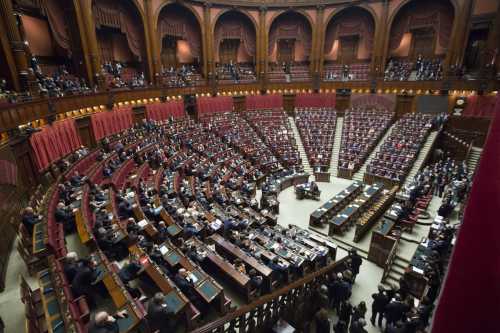
On Monday, June 15, 2026, Pakistan's Prime Minister Shehbaz Sharif stood up in front of all the lawmakers and made a super exciting announcement. He said that the United States and Iran have finally agreed on the words for a peace deal, and they're going to sign it in Geneva on June 19!
"Today, the world has seen a historic step towards peace. After the darkness of war, the sun of peace has risen." - Prime Minister Shehbaz Sharif
How Did We Get Here?
To understand why this is such a big deal, we need to go back a few months. On February 28, 2026, the United States and Israel started attacking Iran. This was a really big war that scared everyone because wars are dangerous and hurt lots of people.
Iran got really upset and did something that affected the whole world - they blocked the Strait of Hormuz. Imagine the Strait of Hormuz like a really important bridge that lots of cars need to cross. When Iran blocked it, it was like closing that bridge, and nobody could get through!
The Strait of Hormuz is where lots of oil ships travel. When it was blocked, oil couldn't get to where it needed to go, which made gas prices go up everywhere. This made everything more expensive - food, clothes, toys, everything!
Pakistan's Role as the Peacemaker
While everyone else was worried, Pakistan decided to do something brave. Pakistan's leaders said, "Let's try to help these two countries talk to each other and stop fighting."
This wasn't easy! The US and Iran were both really angry and didn't trust each other. But Pakistan kept working at it. Pakistani leaders had late-night phone calls, wrote lots of messages, and even had their Army Chief, Field Marshal Asim Munir, sending messages back and forth between the two sides.
Pakistan also got help from another country called Qatar. Qatar is rich and has good relationships with lots of countries, so they helped too. Together, Pakistan and Qatar worked like a team to help the US and Iran find common ground.
What's in the Peace Deal?
The peace deal has lots of important parts. Here are the main things they agreed on:
- Stop fighting everywhere: This includes stopping the fighting in Lebanon, where Israel has been fighting with a group called Hezbollah
- Open the Strait of Hormuz: The important oil highway will open back up so ships can pass
- End the US blockade: The US had blocked Iran's ports, but now they'll stop
- Talk about nuclear stuff: Over the next 60 days, they'll figure out what to do about Iran's nuclear program
- Lift some sanctions: The US will start removing some of the rules that were hurting Iran's economy
The 60-Day Countdown
Here's how it works - they've agreed on the main points, but they still need to figure out all the details. So they gave themselves 60 days (that's about two months) to work out the technical stuff.
The biggest thing they need to figure out is what to do about Iran's nuclear program. The US and Israel are worried that Iran might be trying to build a nuclear weapon (a really, really dangerous bomb). Iran says their nuclear program is just for peaceful things like making electricity.
Over the next 60 days, experts from both sides will meet and try to agree on how to check Iran's nuclear sites and make sure they're not building weapons. This is going to be tricky because both sides don't fully trust each other yet.
Did You Know? The negotiations were so intense that on the final night, talks almost fell apart when Israel attacked Lebanon. But Pakistan's leaders kept working through the night, and hours later, they got the agreement!
How the World Reacted
When the deal was announced, lots of countries were happy! The European Union said it was a "potential breakthrough" and that it could help with Iran's nuclear program. They also said it would help fix the global energy crisis (when energy is too expensive).
Oil prices went down because people were happy that the Strait of Hormuz would open again. Stock markets (where people buy and sell pieces of companies) went up because investors were excited about peace.
But not everyone was happy. In Israel, some politicians were really upset. Israel's opposition leader Yair Golan said the deal "erased" Israel's military achievements and made Israel's enemies stronger. He was mad because Israel wasn't included in the negotiations.
What This Means for Regular People
For people in Iran, this deal could make life a lot better. The US had blocked Iran's ports, which made it hard for Iran to sell oil and buy things they need. When the blockade ends, Iran can start trading again, which means:
- More goods available in stores
- Prices might go down
- More jobs as the economy improves
For people all over the world, the deal could mean lower gas prices because oil ships can travel through the Strait of Hormuz again. When gas is cheaper, everything else gets cheaper too!
For Pakistan, being the peacemaker makes them look really good to other countries. This could lead to more investments and business opportunities, which could create jobs and help Pakistan's economy grow.
Is the Peace Permanent?
Even though everyone is celebrating, there are still challenges ahead. The biggest worry is Lebanon. Even after the deal was announced, there were reports of Israeli attacks in southern Lebanon.
Iran said that stopping attacks in Lebanon is part of the deal, but Israel says they're not part of the agreement and can do what they want. This could cause problems because if Israel keeps attacking Lebanon, Iran might get upset and the deal could fall apart.
Another challenge is trust. The US and Iran don't fully trust each other. The US is worried that Iran might not keep its promises, and Iran is worried that the US might change its mind (like it has with previous agreements).
What Regular Iranians Are Saying
People in Iran have mixed feelings about the deal. Some are hopeful because they think it will make life easier. The war and sanctions have made things really hard for regular people - they can't get certain medicines, and things are expensive.
But others are skeptical. They remember that the US had agreements with Iran before that didn't work out. President Pezeshkian told Iranians not to criticize the deal too much, saying that the authorities will protect Iran's rights.
What Happens Next?
The next few weeks are super important. Both sides need to actually do what they promised. Iran needs to let inspectors check their nuclear sites, and the US needs to start lifting sanctions.
Pakistan will keep helping them talk to each other. Pakistani leaders say they're committed to making sure this peace lasts. It's like being a coach who keeps working with the team even after the big game is over.
The whole world is watching to see if this works. If it does, it could be a model for solving other fights around the world. If it doesn't, well, they'll have to try again. But for now, there's hope that peace is possible!
Related Articles
The Multipolar Fracture: Navigating Defense Realignment, Institutional Arbitrage, and Tactical Instability
Aug 23, 2026
The Architecture of Fragmentation: Navigating the Multipolar Shift in Global Governance
Aug 22, 2026
Comments (0)
No comments yet. Be the first to share your thoughts!
Want to join the discussion?
Please log in to post a comment.
Login NoworCreate an Account