
US Push for Regenerative Agriculture: Implications for Global Food Security and Pakistan's Farming Sector

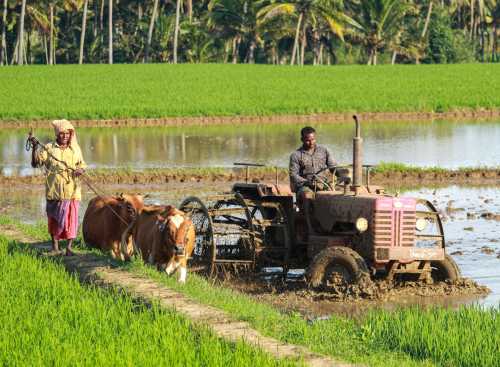
President Trump's recent Executive Order on "Advancing Regenerative Agriculture and Strengthening American Farm Resilience" is not just a domestic policy initiative; it has significant implications for global food security and the agricultural sectors of developing nations like Pakistan. As the United States invests heavily in soil health and precision farming technologies, the ripple effects will be felt in international markets, trade dynamics, and climate adaptation strategies worldwide.
Impact on Global Food Markets and Trade
The U.S. is one of the world's largest exporters of agricultural commodities. By enhancing the resilience and productivity of American farms through regenerative practices, the Executive Order aims to stabilize domestic food production against the shocks of extreme weather. A more stable U.S. supply can help moderate global food prices, which is a critical factor for net-food-importing countries like Pakistan. However, the order's emphasis on expediting the approval of new agricultural technologies and pesticides could also lead to a surge in U.S. exports of these inputs. For Pakistani farmers, access to advanced, U.S.-developed precision agriculture tools and drought-resistant seeds could be a game-changer in combating the severe impacts of climate change, such as the devastating floods of recent years.
Furthermore, the U.S. push for regenerative agriculture may influence global standards for sustainable farming. As American producers adopt new metrics for soil health and carbon sequestration, international buyers and regulatory bodies may begin to require similar certifications for imported goods. This could create new market opportunities for Pakistani exporters who can align their practices with these emerging global standards, particularly in high-value crops like basmati rice, mangoes, and textiles. Conversely, it could pose a barrier to entry for smaller farmers who lack the resources to invest in costly sustainability certifications.
Global Agricultural Perspective on Social Media
Opportunities for Technology Transfer
The Executive Order's call for strengthened public-private partnerships could open doors for technology transfer between U.S. agribusinesses and Pakistani agricultural institutions. Collaborative research into soil microbiomes and water conservation techniques could yield solutions tailored to the unique challenges of the Indus Basin. As the global community looks to the U.S. for leadership in climate-smart agriculture, Pakistan has the opportunity to leverage these advancements to build a more resilient, productive, and sustainable farming sector that can feed its growing population in the face of a changing climate. Read more on the global impact of regenerative agriculture here.
Related Articles

The Institutional Fault Line: How Judicial Overreach and Trade Wars Are Reshaping U.S. Markets
Aug 23, 2026
The Fractured Consensus: How Trade Volatility and Institutional Strain Are Rewiring U.S. Macroeconomics
Aug 22, 2026
Comments (0)
No comments yet. Be the first to share your thoughts!
Want to join the discussion?
Please log in to post a comment.
Login NoworCreate an Account