
Utility and Data Center Power Stocks Diverge as AI.Gov Exposes Grid Constraints

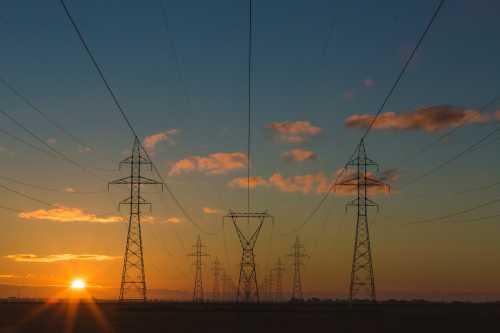
The Great Power Schism: Baseload vs. Intermittent Energy
The US utility sector is experiencing a violent bifurcation as the market attempts to price in the massive, unprecedented electricity demand generated by the AI.Gov initiative and the private sector's data center boom. Traditional baseload power generators, specifically nuclear and natural gas utilities, are seeing their valuations skyrocket, while renewable energy and intermittent power producers are being sold off aggressively. The market has realized a harsh physical reality: the AI revolution requires 24/7, uninterrupted, massive amounts of power. The grid is not just short on total megawatts; it is critically short on the specific type of reliable, dispatchable power that wind and solar simply cannot provide without massive, currently unprofitable battery storage solutions.
ELI5: What is Baseload Power and Why Does AI Need It?
Imagine you are running a massive hospital. The hospital needs electricity all the time, day and night, to keep the life support machines running. You can't just rely on a windmill outside, because what happens when the wind stops blowing? The machines stop, and people get hurt. You need a "baseload" power source—something that runs constantly, no matter what the weather is doing, like a nuclear reactor or a natural gas plant. AI data centers are like that hospital. They are giant buildings filled with computers that never sleep. They need a constant, massive flow of electricity. If the power fluctuates or drops, the computers crash, and billions of dollars of calculations are lost. The market is realizing that solar and wind power, which go up and down with the sun and wind, are not reliable enough for these data centers, so investors are rushing to buy the companies that own the nuclear and gas plants.
The PPA Wars and the Nuclear Renaissance
The most visible manifestation of this market dynamic is the brutal war for Power Purchase Agreements (PPAs). Tech giants and federal agencies are bypassing the traditional grid and signing direct, 20-year contracts with nuclear power plant operators. These PPAs are being signed at prices that are double the historical average for electricity, instantly transforming struggling, aging nuclear fleets into massive cash-flow machines. Companies like Constellation Energy and Vistra are being re-rated from slow-growing, boring utilities into high-growth tech-adjacent plays. The market is pricing in a "nuclear renaissance," where the federal government provides massive loan guarantees to restart decommissioned reactors and build new Small Modular Reactors (SMRs) specifically to feed the insatiable appetite of the AI.Gov infrastructure.
The Renewable Energy Reckoning and Grid Upgrades
Conversely, the renewable energy sector is facing a severe valuation reset. While the long-term goal of a green grid remains politically popular, the immediate physical constraints of the AI boom are exposing the economic fragility of intermittent power. Solar and wind developers are seeing their PPAs canceled or renegotiated as data center operators demand firm, 24/7 power guarantees. Furthermore, the cost of the necessary grid upgrades—building hundreds of miles of new transmission lines to connect remote wind farms to the data center hubs—is becoming a massive drag on returns. Institutional investors are now applying a "reliability discount" to renewable energy stocks, demanding a much higher yield to compensate for the physical risk that these assets will not be able to deliver the power when the AI data centers need it most.
Related Articles

The Macro Fracture: Navigating AI Valuations, Bond Volatility, and the Emerging Market Debt Trap
Aug 23, 2026
The Market’s Fragile Equilibrium: Navigating Valuation Resets, Private Credit Risks, and Macro Fragmentation
Aug 22, 2026
Comments (0)
No comments yet. Be the first to share your thoughts!
Want to join the discussion?
Please log in to post a comment.
Login NoworCreate an Account