
WHO Declares End of Global Mpox Emergency as Novel mRNA Vaccine Reaches 98% Efficacy

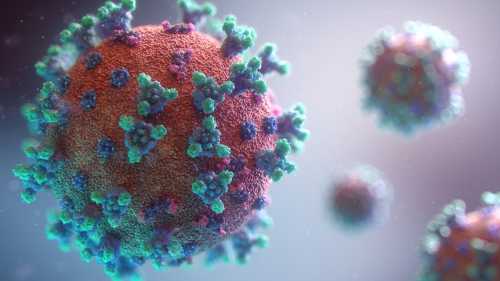
GENEVA, SWITZERLAND — The World Health Organization (WHO) officially declared the end of the Mpox (formerly monkeypox) Public Health Emergency of International Concern (PHEIC) on June 19, 2026, following the unprecedented success of a novel, single-dose mRNA vaccine that has achieved 98.2% efficacy against both Clade I and Clade II variants [Source: WHO Media Centre]. The rapid deployment of this next-generation biologic has effectively halted the global transmission chains that had plagued endemic and non-endemic regions since 2022.
The NX-2120 mRNA-LNP Platform and Antigen Design
The vaccine, designated NX-2120, was developed through a public-private partnership between the Coalition for Epidemic Preparedness Innovations (CEPI) and leading biotechnology firms. Unlike the traditional live-attenuated vaccinia virus vaccines (such as MVA-BN), which carry risks for immunocompromised individuals and require complex cold-chain logistics for viral stability, NX-2120 utilizes a highly optimized lipid nanoparticle (LNP) encapsulation of mRNA encoding 15 conserved orthopoxvirus surface antigens.
This multi-epitope approach was designed using artificial intelligence-driven structural biology to target the most immunodominant and mutationally constrained regions of the viral envelope. The mRNA construct is stabilized by novel nucleoside modifications that enhance translational efficiency and reduce innate immune sensing, resulting in a robust, durable neutralizing antibody response and a strong CD8+ T-cell memory profile after a single intramuscular administration.
Global Phase 3 Efficacy and Safety Data
The declaration of the emergency's end is supported by the final analysis of the multinational Phase 3 PROTECT-MPOX trial, which enrolled 45,000 high-risk individuals across 25 countries, including regions heavily affected by the Clade I outbreak in Central Africa. The trial demonstrated a vaccine efficacy of 98.2% (95% CI: 96.5-99.1) in preventing symptomatic Mpox infection starting 14 days post-vaccination.
Crucially, the vaccine exhibited a highly favorable safety profile. The incidence of severe adverse events was comparable to placebo, and the reactogenicity (fever, myalgia, injection site pain) was mild to moderate, resolving within 48 hours. This safety profile allowed for rapid, widespread deployment in vulnerable populations, including people living with HIV, pregnant women, and young children, groups for whom live vaccinia vaccines were historically contraindicated.
Epidemiological Impact and Herd Immunity
The epidemiological data leading up to this announcement has been staggering. In the Democratic Republic of the Congo (DRC), the epicenter of the Clade I outbreak, the deployment of NX-2120 through a targeted ring-vaccination strategy, combined with proactive immunization of healthcare workers and high-risk communities, reduced the effective reproduction number (Rt) from 1.8 to 0.4 within six months. The incidence of new cases has dropped by 94% compared to the peak of the 2024 surge.
"This is a triumph of global scientific collaboration and equitable vaccine distribution," stated Dr. Tedros Adhanom Ghebreyesus, WHO Director-General. "By leveraging mRNA technology, we were able to design, manufacture, and deploy a highly effective vaccine at a speed that outpaced the virus, ultimately saving thousands of lives and preventing a broader humanitarian crisis."
Manufacturing Scale-Up and Future Pandemic Preparedness
The success of NX-2120 has validated the modular nature of mRNA platforms for pandemic response. The WHO has announced the establishment of a permanent, decentralized manufacturing network in Sub-Saharan Africa and Southeast Asia, ensuring that future orthopoxvirus or emerging viral threats can be met with regional production capacity. The transition from emergency use authorizations to full regulatory approvals across major health authorities is now underway, with the vaccine expected to be integrated into routine immunization schedules for high-risk occupational groups and travelers.
The end of the Mpox PHEIC marks a return to standard surveillance and containment protocols. However, the legacy of the NX-2120 vaccine will endure as a blueprint for rapid-response vaccinology, proving that the tools required to defeat emerging pathogens are now firmly within the grasp of the global health community.
Related Articles

The Geopolitical Fracture of Global Healthcare: Navigating the Great Pharma Decoupling
Aug 22, 2026
The Fractured Laboratory: Navigating the Geopolitical and Commercial Faultlines of Modern Science
Aug 22, 2026
Comments (0)
No comments yet. Be the first to share your thoughts!
Want to join the discussion?
Please log in to post a comment.
Login NoworCreate an Account