
WHO Updates List of Emerging Pathogens to Bolster Global Pandemic Preparedness

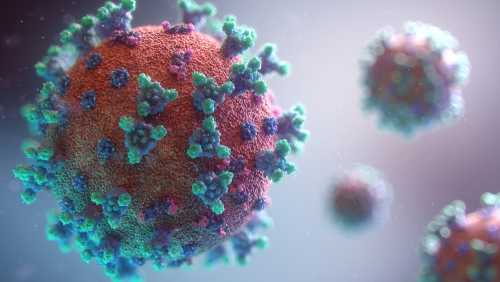
In a seminal public health development, the World Health Organization (WHO) has promulgated an updated list of emerging pathogens, marking a pivotal shift in global pandemic preparedness strategies. This comprehensive framework aims to accelerate research and development for medical countermeasures against both known and novel threats.
A proactive Paradigm Shift
Historically, the WHO’s priority pathogen lists focused on specific, individual viruses or bacteria. The latest update introduces a broader, family-focused approach. By prioritizing entire viral and bacterial families, the global health community can develop versatile medical countermeasures (MCMs) that remain effective even as pathogens mutate. This strategy directly addresses the limitations of previous lists, which sometimes left the world vulnerable to unforeseen evolutionary shifts in microbes.
"The updated list of emerging pathogens serves as a potential tool to foster global health readiness for a future pandemic," researchers noted in a recent analysis. "It represents a change in the world’s approach, shifting focus from specific pathogens to adopting a broader family-focused approach."
Introduction of 'Prototype Pathogens' and 'Pathogen X'
A notable advancement in the 2024 compilation is the formal inclusion of Prototype Pathogens. These are well-characterized viruses chosen from high-risk families to serve as research models. Studying these prototypes allows scientists to develop broadly applicable treatments and vaccines that can be rapidly adapted to new, related threats. Additionally, the framework explicitly acknowledges Pathogen X—a placeholder representing the very real possibility of a currently unknown pathogen emerging from known viral families to cause a future Public Health Emergency of International Concern (PHEIC).
Current Outbreaks Underscore Urgency
The timeliness of this update is underscored by recent global health challenges. From the re-emergence of Mpox in Africa and the spread of the Oropouche virus in the Americas, to sporadic cases of highly pathogenic avian influenza (H5N2) and Nipah virus in Asia, the threat of emerging and re-emerging infectious diseases remains persistent. These events highlight the critical need for robust, real-time disease surveillance and the equitable distribution of medical resources, particularly in low- and middle-income countries.
Strengthening Global Health Security
To effectively implement this new framework, the WHO and its member states are urged to strengthen healthcare infrastructure, enhance workforce training, and foster international data-sharing. The Preparedness and Resilience for Emerging Threats (PRET) Initiative stands as a cornerstone of this effort, aiming to translate scientific evidence into actionable public health policies. By aligning national strategies with this updated global blueprint, the international community can better mitigate the devastating impacts of the next potential pandemic.
Official Public Health Communication
For the complete scientific framework and detailed pathogen prioritization, please refer to the original publication: Updated WHO list of emerging pathogens for a potential future pandemic: Implications for public health and global preparedness.

Comments (0)
No comments yet. Be the first to share your thoughts!
Want to join the discussion?
Please log in to post a comment.
Login NoworCreate an Account