
Brain-Computer Interfaces: Endovascular Stentrodes Restore Communication in ALS Patients

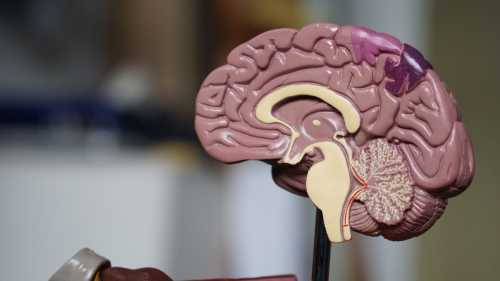
For patients suffering from advanced amyotrophic lateral sclerosis (ALS) or severe spinal cord injuries, the loss of motor function often leads to "locked-in" syndrome, where the mind remains fully intact but the body is completely paralyzed. The ability to communicate is lost, trapping the patient in a silent prison. However, the rapid advancement of Brain-Computer Interface (BCI) technology is providing a lifeline. While companies like Neuralink have garnered attention for their invasive cortical implants, a revolutionary endovascular approach, pioneered by Synchron and its "Stentrode" device, is achieving remarkable clinical success. By navigating the brain's vascular system to place a sensor array directly against the motor cortex, researchers are enabling paralyzed patients to control digital devices, type messages, and browse the web using only their thoughts, all without the need for open brain surgery.
The Stentrode: Navigating the Brain's Vasculature
The Stentrode represents a paradigm shift in BCI design. Traditional BCIs require a craniotomy, where a portion of the skull is removed, and electrodes are physically inserted into the brain tissue. This invasive approach carries significant risks, including infection, bleeding, and the formation of glial scars that degrade the signal quality over time. The Stentrode, however, is a flexible, mesh-like electrode array mounted on a self-expanding nitinol stent. It is delivered to the brain using the same endovascular techniques used by interventional cardiologists to place stents in coronary arteries.
The procedure begins with a small puncture in the jugular vein in the neck. A catheter is then threaded through the venous system, up into the superior sagittal sinus—a large blood vessel that runs directly on top of the motor cortex. Once in position, the Stentrode is deployed, expanding to press its 16 electrodes gently against the vessel wall. Because the vessel wall is extremely thin, the electrodes can detect the electrical activity of the neurons in the adjacent motor cortex with high fidelity. This "minimally invasive" approach eliminates the need for open brain surgery, significantly reducing the risk profile and making the technology accessible to a broader population of severely disabled patients.
Decoding Motor Imagery: From Thoughts to Digital Actions
The Stentrode does not read thoughts in the colloquial sense; it records the neural signals associated with "motor imagery." When a person imagines performing a specific physical movement, such as tapping their left foot or squeezing their right hand, the corresponding area of the motor cortex fires in a distinct pattern. Even in patients who are completely paralyzed and cannot physically execute the movement, the neural pathways for motor imagery remain intact.
The BCI system uses advanced machine learning algorithms to decode these neural patterns in real-time. During the initial calibration phase, the patient is asked to imagine specific movements while the AI learns to associate the unique neural signatures with those intended actions. Once calibrated, the patient can use these imagined movements to control a cursor on a screen. For example, imagining a left-hand squeeze might move the cursor left, while imagining a right-foot tap moves it right. By "selecting" letters on a virtual keyboard, the patient can type out messages, send emails, and even post on social media.
"The ability to restore communication to a patient with locked-in syndrome is one of the most profound achievements in modern neurology. The endovascular BCI approach provides a safe, scalable platform that can give these patients back their voice and their connection to the world, fundamentally altering their quality of life."
Clinical Trial Outcomes: Restoring Independence
The clinical data from the Synchron BCI trials, including the COMMAND study in the US and similar trials in Australia, have been exceptionally positive. Patients with advanced ALS, who had lost the ability to speak or use their hands, were able to achieve typing speeds of up to 20-30 characters per minute using only their thoughts. While this is slower than a able-bodied person typing on a smartphone, it is a monumental improvement over the near-zero communication rate of locked-in syndrome.
More importantly, the patients reported significant improvements in their quality of life, independence, and mental health. The ability to control their environment—turning on lights, adjusting the thermostat, or operating a smart TV—restores a sense of agency that is often completely lost in severe paralysis. The safety profile of the Stentrode has also been excellent, with no serious device-related adverse events reported in the initial cohorts, and the signal quality has remained stable over months of implantation, demonstrating the long-term viability of the endovascular approach.
The Future: Bidirectional Interfaces and Neuroplasticity
The current generation of BCIs is primarily "unidirectional," reading signals from the brain to control external devices. The next frontier is "bidirectional" BCIs, which can both read motor intentions and stimulate the brain to provide sensory feedback. For example, if a patient uses a robotic arm to pick up a cup, a bidirectional BCI could stimulate the sensory cortex to allow the patient to "feel" the cup. This closed-loop system would dramatically improve the dexterity and natural feel of neuroprosthetic devices.
Furthermore, researchers are investigating the potential of BCIs to promote neuroplasticity. By pairing the patient's motor imagery with functional electrical stimulation of their paralyzed muscles, the BCI can help rewire the damaged neural pathways in the spinal cord. This "brain-spine interface" approach has shown promise in restoring voluntary movement in some patients with spinal cord injuries, offering hope that BCIs may not just be a workaround for paralysis, but a therapeutic tool for actual neurological recovery. As the technology continues to mature, the integration of AI-driven decoding and advanced neurostimulation will undoubtedly push the boundaries of what is possible in neurological rehabilitation and restoration.
Stay informed on the latest breakthroughs in neurotechnology and brain-computer interfaces by following our research desk on X (formerly Twitter) and LinkedIn.



Comments (0)
No comments yet. Be the first to share your thoughts!
Want to join the discussion?
Please log in to post a comment.
Login NoworCreate an Account