
Byonyks and Ministry of IT Develop Pakistan's First Bloodless, Risk-Free Dialysis Machine

Understanding the Basics: How the Body's Filter Works and Fails
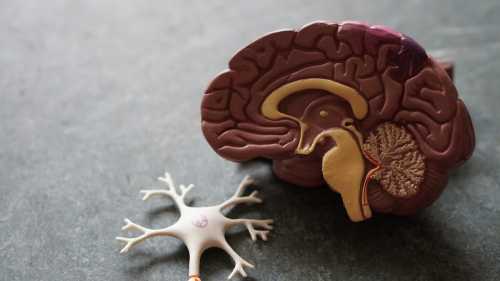
Imagine your kidneys as a pair of incredibly sophisticated, microscopic coffee filters inside your body. Every single minute of every single day, these filters clean your blood. They let the water and the tiny, useful nutrients pass through to keep you hydrated and healthy, but they catch the trash—the extra water, the toxins, and the waste products from the food you eat—and flush them out as urine. It is a perfect, silent system that keeps your internal environment clean. But what happens when those filters get clogged or torn? This is what happens in kidney failure, also known as End-Stage Renal Disease (ESRD). The trash starts building up in your blood, poisoning your body, making you feel terribly sick, and eventually becoming fatal if not treated. The standard way to fix this is dialysis. Traditional dialysis is a bit like taking all the coffee out of your coffee maker, pouring it into a giant external bucket, running it through a separate, massive filter, and then pouring the clean coffee back into the pot. It requires taking a large amount of your blood out of your body, running it through tubes and a dialyzer (the artificial filter), and pumping it back in. While it saves lives, this process has major risks: it requires inserting large needles into your veins, it exposes your blood to the outside world where infections can enter, and it requires priming the external tubes with a significant amount of blood or saline, which can cause dangerous drops in blood pressure, especially in small children or elderly patients.
The Big News: Pakistan's First Bloodless Dialysis Innovation
In a stunning display of indigenous engineering and medical innovation, a Pakistani tech company named Byonyks, in close collaboration with the Ministry of Information Technology and Telecommunications, has successfully developed Pakistan's very first bloodless, risk-free dialysis machine scientiamag.org . This is not just an incremental improvement; it is a fundamental reimagining of how dialysis is performed. The term "bloodless" does not mean the machine cleans blood without the blood being present; rather, it means the machine operates on a completely closed-loop microfluidic system that requires virtually zero external priming volume. Unlike traditional machines that need to fill liters of external tubing with fluid before starting (which displaces the patient's blood volume and causes crashes), the Byonyks machine uses ultra-thin, advanced micro-channels that hold only a few milliliters of fluid. The blood never leaves a sealed, sterile, internal cassette. There are no large external tubes, no open reservoirs, and no need for the massive anticoagulant drugs (blood thinners) that traditional dialysis requires to prevent the blood from clotting in the external lines. This breakthrough means that for the first time, patients with high bleeding risks, such as those with ulcers or recent surgeries, and particularly pediatric patients whose small bodies cannot handle the fluid shifts of traditional dialysis, can receive life-saving renal replacement therapy safely, comfortably, and without the constant risk of hemorrhage or infection.
Official News Source Reference
"Byonyks developed Pakistan's first bloodless risk-free dialysis machine with the collaboration of the Ministry of Information, Technology, and other stakeholders, marking a new era in local medical device manufacturing."
The Technology Deep Dive: Microfluidics and Closed-Loop Systems
The secret behind the Byonyks machine lies in the cutting-edge field of microfluidics and advanced polymer engineering. Traditional dialyzers are bundles of thousands of hollow fibers, which require a lot of space and fluid to prime. The Byonyks team engineered a revolutionary dialyzer cassette using precision-molded medical-grade polymers. Inside this cassette are microscopic channels, etched with extreme precision, that guide the blood on one side and the dialysate (the cleaning fluid) on the other, separated by a semi-permeable membrane only nanometers thick. Because the channels are so incredibly small, the total volume of blood outside the patient's body at any given second is minuscule. To move the fluids through these tiny channels without causing hemolysis (the bursting of red blood cells due to mechanical stress), the machine uses highly sophisticated, pulsatile pneumatic pumps. These pumps mimic the natural, gentle peristaltic motion of the human body's own vessels, rather than using harsh mechanical rollers that can damage blood cells. Furthermore, the entire fluid path is manufactured as a single, pre-sterilized, disposable unit. This eliminates the need for the complex, error-prone manual setup of external lines that traditional machines require. The risk of air embolisms (bubbles entering the blood) is virtually eliminated by integrated micro-sensors that detect and stop any bubble smaller than a grain of sand. This level of engineering, previously only seen in multi-million dollar research prototypes from the West, has been successfully commercialized right here in Pakistan.
Clinical Impact: A Lifeline for the Most Vulnerable
The clinical impact of this bloodless dialysis machine is most profoundly felt by the most vulnerable patients: children and the critically ill. Pediatric kidney failure is a devastating condition. Putting a five-year-old child on traditional dialysis is a medical nightmare. Their small veins cannot handle the large needles, and their tiny blood volume means that priming the external tubes causes their blood pressure to crash dangerously low, leading to shock and organ damage. The Byonyks machine, with its near-zero priming volume and gentle pumps, makes pediatric dialysis safe and routine. It removes the trauma and the extreme physical risks, giving these children a chance to grow and live normal lives. Similarly, for elderly patients or those with multiple comorbidities—like diabetes, heart failure, and a history of strokes—traditional dialysis is often too risky. The requirement for heavy blood thinners can cause fatal internal bleeding. Because the Byonyks machine's closed-loop system does not require anticoagulants, these high-risk patients can finally receive the renal support they need without the fear of hemorrhage. In intensive care units (ICUs), where patients are already unstable, this machine allows for continuous, gentle renal replacement therapy (CRRT) that precisely manages fluid balance without causing the hemodynamic instability that often kills critically ill patients. This technology transforms dialysis from a high-risk, traumatic procedure into a safe, routine, and highly effective therapy for everyone.
Economic Impact: Import Substitution and Medical Tourism
Beyond the clinical miracles, the Byonyks dialysis machine is a massive economic victory for Pakistan. Currently, the country spends hundreds of millions of dollars annually importing dialysis machines and their expensive disposable consumables from multinational giants in Europe and the US. This drains valuable foreign exchange reserves and makes the treatment incredibly expensive for the average citizen. By manufacturing this advanced machine locally, Pakistan achieves critical import substitution. The cost of the Byonyks machine, and more importantly, the cost of its disposable cassettes, is a fraction of the imported alternatives. This will drastically reduce the cost of dialysis in both the public and private sectors, allowing the government to treat more patients under the Sehat Sahulat Program (national health insurance) and making it affordable for lower-middle-class families. Furthermore, this positions Pakistan as an exporter of high-tech medical devices. Instead of just exporting textiles and agricultural goods, Pakistan can now export life-saving medical technology to other developing nations in Africa, the Middle East, and Central Asia who face similar healthcare challenges and cannot afford Western-priced equipment. This also opens the door for medical tourism. Hospitals in Pakistan equipped with this advanced, safe, and cost-effective technology can attract patients from neighboring countries who are seeking high-quality renal care at a fraction of the cost they would pay in Dubai or India.
Future Outlook: The Hub of Medical Device Innovation
The success of the Byonyks bloodless dialysis machine is a shining example of what is possible when the government, the private sector, and brilliant engineers collaborate. The Ministry of IT's support was crucial in providing the regulatory sandbox and the initial funding necessary to take this idea from a whiteboard sketch to a working, life-saving prototype. This success story is now being used as a blueprint to incubate other medical device startups in the country. The vision is to transform Pakistan from a net importer of medical hardware into a regional hub for medical device innovation. The next logical steps for Byonyks and similar companies include developing localized versions of MRI machines, advanced ventilators, and AI-driven diagnostic tools. The government is also working on updating the regulatory framework through the Drug Regulatory Authority of Pakistan (DRAP) to ensure that locally manufactured medical devices meet the highest international safety standards, such as the FDA in the US or the CE mark in Europe, which is essential for export. As the ecosystem matures, we will see more venture capital flowing into the local health-tech sector. The young engineers who previously dreamed of moving to Silicon Valley will now see that they can build world-changing, life-saving technology right here in Islamabad or Lahore. The bloodless dialysis machine is not just a product; it is the spark that is igniting a medical device revolution in Pakistan, promising a future where the country's healthcare is self-reliant, affordable, and at the cutting edge of global innovation.
Related Articles
The Biopharma Bottleneck: How Supply Chains and Regulatory Reality Are Restraining Medical Innovation
Aug 22, 2026
The Structural Faultlines of Modern Medicine: Navigating the Convergence of Capital, Compute, and Geopolitics
Aug 22, 2026
Comments (0)
No comments yet. Be the first to share your thoughts!
Want to join the discussion?
Please log in to post a comment.
Login NoworCreate an Account