
China's Central Bank Injects $100 Billion to Stimulate Domestic Consumption

The Big Picture: The Giant Factory Gives Its Workers a Massive Bonus
Imagine the entire world is a massive neighborhood, and China is the giant factory at the center of it. For the last forty years, the giant factory has been running at maximum speed. It makes all the toys, all the clothes, all the smartphones, and all the solar panels for the entire neighborhood. The workers in the factory work incredibly hard, they live in dormitories near the factory, and they save almost all the money they make because they are focused on building the factory bigger and bigger. The factory sells almost everything it makes to the other houses in the neighborhood (exports), and the factory gets rich.
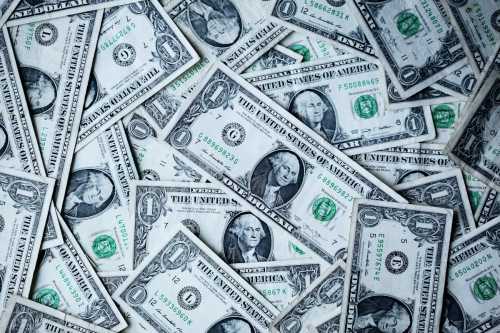
But recently, the other houses in the neighborhood stopped buying as many toys and clothes. They are worried about their own money, so they are saving more and buying less. The giant factory suddenly has massive warehouses full of unsold goods. The machines are slowing down. The boss of the factory (the Chinese government and the People's Bank of China, or PBOC) realizes they have a huge problem: they cannot rely on the neighbors to buy their stuff anymore. They need the workers inside the factory to start buying the toys and clothes they make. They need to shift from an 'export-led' economy to a 'consumption-led' economy. To do this, the PBOC just announced a massive, historic injection of $100 billion into the domestic economy.
The Real Estate Crisis and the Liquidity Trap
To understand why this $100 billion is necessary, you have to understand the massive crisis in China's real estate market. For two decades, the Chinese people did not trust the stock market, and they were not allowed to easily move their money out of the country. So, where did they put their savings? They bought houses. Real estate became the ultimate symbol of wealth and security in China. In fact, housing and related industries made up nearly 30 percent of the entire Chinese GDP. Everyone was buying, and developers were building ghost cities—entire metropolises with skyscrapers and malls but no people living in them.
A few years ago, the government realized this was a dangerous bubble and put strict rules in place to stop developers from borrowing so much money. Massive companies like Evergrande and Country Garden collapsed. They ran out of cash and could not finish building the apartments that millions of regular citizens had already paid for. This caused a massive crisis of confidence. Chinese citizens looked at their savings and said, 'The housing market is crashing, my wealth is disappearing, and the economy is slowing down. I need to save every single penny I have for an emergency.'
This created what economists call a 'Liquidity Trap.' The PBOC was printing money and making it cheap to borrow, but no one wanted to borrow or spend. The workers were too scared to buy new cars or go on vacations; they just hid their money under the mattress. When people stop spending, businesses make less profit, so they fire workers, which makes the remaining workers even more scared, causing them to spend even less. It is a vicious, downward spiral of deflation (prices dropping because no one is buying).
How the $100 Billion Injection Works
To break this vicious cycle, the PBOC is using its most powerful tools to inject $100 billion of fresh, new money directly into the system. They are doing this through a mechanism called the Medium-term Lending Facility (MLF) and by cutting the Reserve Requirement Ratio (RRR). The RRR is the percentage of cash that commercial banks are legally required to keep locked in a vault at the central bank. By cutting the RRR, the PBOC suddenly unlocks billions of dollars that were sitting idle in vaults, allowing local banks to lend it out to businesses and consumers.
But they are not just giving the money to the big factories. This $100 billion is specifically targeted at 'domestic consumption.' The government is using the funds to subsidize consumer goods. If a citizen wants to buy a new electric vehicle (EV) or a new energy-efficient refrigerator, the government will give them a massive discount, paid for by this new money. They are also directing banks to offer ultra-low interest rate loans specifically for families to renovate their homes or go on domestic vacations. The goal is to force the money out of the bank vaults and into the pockets of the regular citizens, forcing them to spend it and restart the engine of the economy.
The Global Ripple Effect: Copper, Oil, and Luxury Goods
When the giant factory in the center of the neighborhood sneezes, the entire world catches a cold. China is the world's largest consumer of raw materials. When China is building massive ghost cities, they buy up all the world's copper, iron ore, and steel. When their construction sector crashed, the price of copper in Chile and iron ore in Australia plummeted, causing economic pain in those countries. By injecting $100 billion to stimulate the economy, China is signaling to the world that its appetite for raw materials is coming back. This will stabilize commodity prices and help resource-rich countries around the globe.
Furthermore, if the Chinese consumer starts spending again, it is a massive boom for global luxury and tech companies. Brands like Apple, Tesla, LVMH (Louis Vuitton), and Rolex rely heavily on the Chinese middle class for a huge portion of their global profits. When Chinese consumer confidence returns, the stock prices of these global giants will soar. The PBOC's $100 billion gamble is not just about saving the Chinese economy; it is about restarting the primary engine of global demand, ensuring that the factories of Germany, the mines of Africa, and the tech hubs of America all have a customer ready to buy their goods.
Official People's Bank of China Statement
The PBOC announces a comprehensive $100 Billion liquidity injection via RRR cuts and targeted MLF operations to stimulate domestic consumption, stabilize the property sector, and ensure robust economic growth. @PBC_news
— People's Bank of China (@PBC_news) June 23, 2026
Related Articles

The Macroeconomic Inflection Point: Navigating Sovereign Debt, Labor Recalibration, and Trade Fragmentation
Aug 22, 2026
The Macroeconomic Reckoning: Navigating the Convergence of Debt, Trade, and Technological Shifts
Aug 22, 2026
Comments (0)
No comments yet. Be the first to share your thoughts!
Want to join the discussion?
Please log in to post a comment.
Login NoworCreate an Account