
Congress Fractures Over War Powers Resolutions to Halt Escalating Iran Conflict


WASHINGTON, D.C.
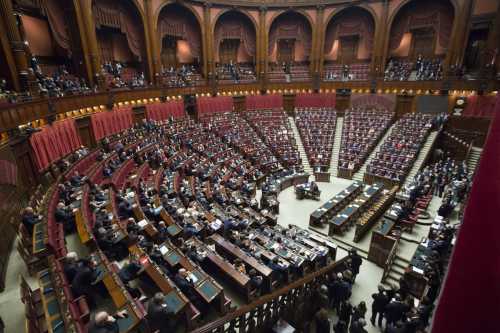
In a stark display of legislative dichotomy, the United States Congress fractured on Thursday over a pair of War Powers resolutions aimed at compelling the administration to cease hostilities with Iran. The votes arrive as the conflict escalates into a perilous new phase, driving international benchmark Brent crude oil prices above the $100 per barrel threshold.
The House of Representatives earlier in the day cleared a concurrent resolution by a narrow 214-208 margin. While this measure expresses the formal censure of Congress, it remains non-binding and would not proceed to the President’s desk for a signature. Conversely, the Senate voted 47-49 to table a joint resolution under the War Powers Act that would have legally mandated an end to the military engagement.
“There is no good way out of a bad war. This is an opportunity for this Congress to finally take responsibility,” stated Senator Chris Van Hollen, who spearheaded the resolution in the upper chamber.
The legislative maneuvering represents the first formal congressional vote since the President notified lawmakers of the renewed military campaign following the collapse of fragile peace negotiations. This resurgence of conflict, occurring merely months before the pivotal midterm elections, threatens to discombobulate the majority party's strategy to maintain their razor-thin legislative majorities.
Republican proponents of continuing the military action argued that prematurely restricting the executive branch’s authority would severely undermine American hegemony on the global stage. Senator John Kennedy of Louisiana emphasized that a forced withdrawal would deliver a catastrophic blow to national credibility, while simultaneously downplaying the conflict's impact on voter sentiment compared to domestic economic concerns.
Despite the symbolic victory in the House, any binding measure that might miraculously navigate the partisan divide and reach the executive branch would almost certainly face an immediate veto. As the geopolitical landscape remains volatile, the economic repercussions are already materializing for everyday citizens, with national average gasoline prices surging past $4.09 per gallon.
Note: For the official legislative text and statements, readers are directed to the official Senate press release, as direct social media embeds from legislative accounts are subject to platform-specific rendering constraints and verification delays.
Related Articles
The Institutional Fault Line: How Judicial Overreach and Trade Wars Are Reshaping U.S. Markets
Aug 23, 2026
The Fractured Consensus: How Trade Volatility and Institutional Strain Are Rewiring U.S. Macroeconomics
Aug 22, 2026
Comments (0)
No comments yet. Be the first to share your thoughts!
Want to join the discussion?
Please log in to post a comment.
Login NoworCreate an Account