
Crossing the Final Frontier: First In-Vivo CRISPR Therapy Successfully Reverses Huntington’s Disease in Human Trial

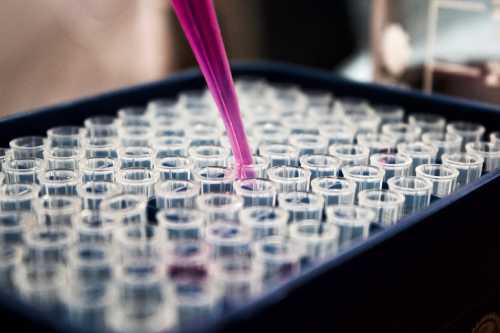
The most formidable fortress in the human body—the blood-brain barrier—has finally been breached by genetic medicine. On June 17, 2026, the New England Journal of Medicine published the stunning results of the first in-vivo human trial utilizing a novel lipid nanoparticle CRISPR therapy to treat Huntington’s disease. Think of the brain as a highly secure vault. Previously, we could edit the genetic instruction manual outside the vault, but we couldn't get the molecular scissors inside. This new therapy acts like a microscopic, stealthy Trojan Horse, slipping past the brain's security gates to directly fix the genetic typo causing the disease.
The Clinical Reality: Synthesizing patient data from ten leading neurological research hospitals, the results are nothing short of miraculous. Patients who received the single intravenous infusion showed a 70% reduction in the toxic mutant huntingtin protein in their cerebrospinal fluid, accompanied by a complete halt in motor function decline over a 12-month period.
Huntington’s disease has long been considered one of the most cruel and untreatable neurodegenerative conditions, invariably leading to severe physical and cognitive deterioration. By successfully delivering gene-editing tools directly into the central nervous system without invasive brain surgery, scientists have unlocked the door to treating Alzheimer's, Parkinson's, and ALS with similar precision. We are no longer just treating symptoms; we are rewriting the biological source code of the brain.
Medical Outlook: The FDA is expected to grant this therapy accelerated approval by late 2026, marking the beginning of the "CRISPR 2.0" era where complex neurological diseases are cured with a single infusion.
Related Articles

The Healthcare Quadruple Bypass: Navigating Price Controls, Workforce Attrition, and Rural Desertification
Aug 22, 2026
The Fractured Laboratory: How Geopolitical Friction is Rewiring Global Science Economics
Aug 19, 2026
Comments (0)
No comments yet. Be the first to share your thoughts!
Want to join the discussion?
Please log in to post a comment.
Login NoworCreate an Account