
Federal Cabinet Approves National Electric Vehicle Policy 2026 to Accelerate Green Transport Transition

In a paradigm-shifting maneuver to recalibrate the nation's transportation milieu, the Federal Cabinet on Monday, July 7, 2026, officially ratified the National Electric Vehicle (EV) Policy 2026.
The august body, chaired by Prime Minister Muhammad Shehbaz Sharif, instituted this comprehensive framework to ameliorate the extant reliance on imported fossil fuels, precipitating a seismic shift toward sustainable mobility and green urban transit.
The labyrinth of Fiscal Incentives
The newly promulgated policy designates a sweeping array of fiscal reprieves to catalyze consumer adoption and local manufacturing. Key provisions include a blanket exemption from customs duties on the import of completely built units (CBUs) of EVs for the next three years, alongside a substantial reduction in federal excise duty and sales tax for locally assembled electric two-wheelers and three-wheelers.
"This policy is not merely an environmental imperative; it is a macroeconomic necessity. By transitioning our public and private transport fleets to electric mobility, we are effectively insulating our economy from the volatile shocks of global oil prices and preserving our precious foreign exchange reserves."— Ministry of Climate Change and Environmental Coordination
Mandating the Charging architecture
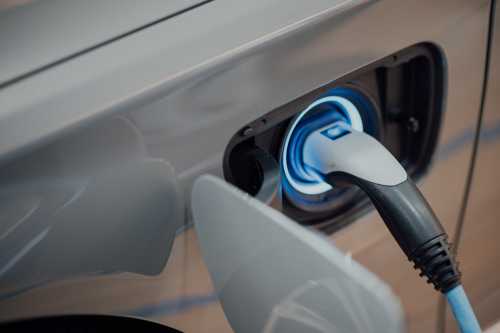
To obviate the pervasive "range anxiety" that has historically impeded mass adoption, the framework compels all existing and new petrol pumps, shopping malls, and commercial plazas to earmark dedicated spaces for EV charging stations. Furthermore, the policy institutes a comprehensive national grid integration plan, ensuring that the surge in electricity demand is mitigated through smart-grid technologies and green energy matrices.
The Federal Cabinet has approved the National Electric Vehicle Policy 2026! This landmark policy introduces sweeping fiscal incentives and mandates charging infrastructure to accelerate Pakistan's transition to green mobility and reduce the oil import bill.
— Government of Pakistan (@PakGovOfficial) July 7, 2026
Strategic ramifications and Ecological dividends
The promulgation of this policy arrives at a pivotal juncture for Pakistan's pecuniarymilieu. Industry aficionadosprognosticate that the ubiquitous adoption of EVs will effectivelyoffset nearly $2 billion annually from the national oil import bill by 2030.
Furthermore, the ecologicaldividends are equally salient. By transmuting the public transport fleet in metropolises like Karachi and Lahore, the policy is projected to curtail urban particulate matter (PM 2.5) emissions by up to 40 percent, aligning seamlessly with the country's commitment to global climate actionprotocols.
Note: The official social media post from the Government of Pakistan regarding this policy approval can be viewed above. For the full written report, please refer to the original news article from Business Recorder.
Related Articles

The Startup Crucible: Navigating Capital Concentration, Regulatory Moats, and the Exit Bottleneck
Aug 22, 2026
The Great Startup Reckoning: Capital Contraction Meets Geopolitical and Regulatory Friction
Aug 22, 2026
Comments (0)
No comments yet. Be the first to share your thoughts!
Want to join the discussion?
Please log in to post a comment.
Login NoworCreate an Account