
Federal Reserve Eases Capital Requirements for Regional Banks to Spur Local Lending

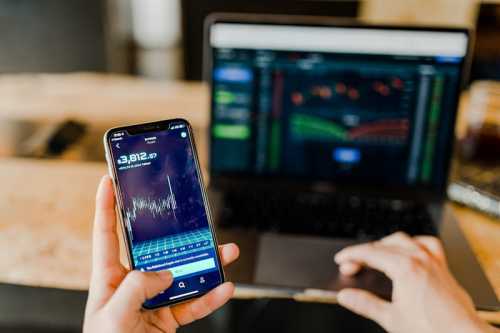
In a major shift in financial regulatory policy, the Federal Reserve, alongside the FDIC and the OCC, announced a final rule that significantly eases capital and liquidity requirements for mid-sized and regional banks. The new framework reduces the strict stress-testing mandates and capital buffers that were imposed after the 2008 financial crisis and the 2023 regional banking turmoil, with the explicit goal of freeing up billions of dollars for local business and mortgage lending.
To understand this policy change, think of a bank's capital requirements like the safety airbags in a car. After the 2023 banking scares, regulators forced all banks to install massive, heavy-duty airbags (holding onto a lot of cash in reserve) just in case of a crash. But those heavy airbags take up space and money that the bank could otherwise be using to give out loans to local businesses and homebuyers. By adjusting the rules, regulators are saying that for smaller, community-focused banks, the standard airbags are sufficient, allowing them to use their extra cash to fuel the local economy.
This regulatory relaxation is highly controversial. The banking industry is thrilled, arguing that the previous rules were so burdensome that they forced many small banks to merge with larger institutions, reducing competition and hurting rural communities. However, consumer advocacy groups and some economic watchdogs are deeply concerned, warning that lowering the safety buffers makes the financial system more fragile and increases the risk that taxpayers could be on the hook if another regional bank fails.
Related Articles
The Policy Paradox: Navigating Industrial Subsidies, Carbon Border Adjustments, and Fiscal Constraints
Aug 22, 2026
The Redrawn Regulatory Seascape: Navigating the Convergence of Global Policy Faultlines
Aug 22, 2026
Comments (0)
No comments yet. Be the first to share your thoughts!
Want to join the discussion?
Please log in to post a comment.
Login NoworCreate an Account