
FTC Finalizes Sweeping "Right to Repair" Rule to End Planned Obsolescence

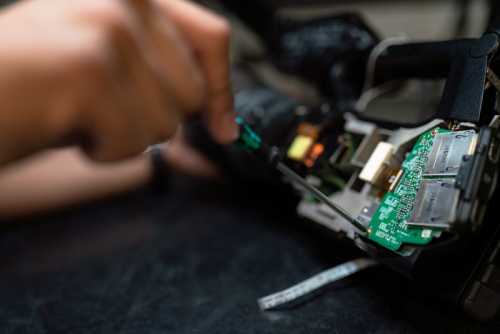
The Federal Trade Commission (FTC) has officially finalized its sweeping "Right to Repair" rule, a landmark consumer protection policy that legally requires electronics and appliance manufacturers to provide parts, tools, manuals, and diagnostic software to consumers and independent repair shops for at least 10 years after a product is sold. The policy is designed to dismantle the corporate practice of planned obsolescence and make it cheaper and easier to fix broken devices.
For years, if your smartphone screen cracked or your washing machine stopped spinning, the manufacturer would often make it impossible to fix. They would use proprietary screws, glue batteries in place, or use software locks that prevented the device from working unless you paid their official, highly expensive repair center. This new FTC policy is like a law that forces car manufacturers to sell you the exact engine parts and give you the special wrenches needed to fix your own car in your driveway, rather than forcing you to tow it back to the dealership.
The economic and environmental implications are staggering. By extending the lifespan of everything from tractors to smartphones, this policy will save consumers billions of dollars in replacement costs and drastically reduce the millions of tons of e-waste that end up in landfills every year. Tech giants and agricultural equipment manufacturers have fiercely lobbied against the rule, citing security and safety concerns, but the FTC has moved forward, fundamentally shifting the balance of power from corporate monopolies to everyday consumers.
Related Articles

The Policy Paradox: Navigating Industrial Subsidies, Carbon Border Adjustments, and Fiscal Constraints
Aug 22, 2026
The Redrawn Regulatory Seascape: Navigating the Convergence of Global Policy Faultlines
Aug 22, 2026
Comments (0)
No comments yet. Be the first to share your thoughts!
Want to join the discussion?
Please log in to post a comment.
Login NoworCreate an Account