
Global Freight Rates Plummet 35% as Suez Canal Transit Returns, Disinflating Global Core Goods

The Normalization of the Maritime Supply Chain
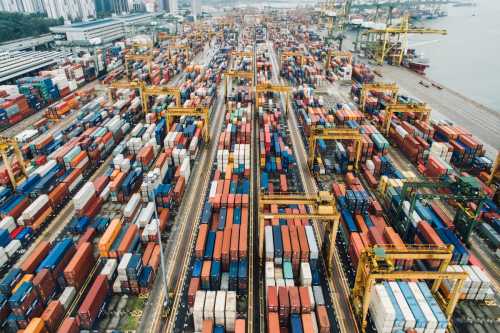
The global logistics industry is experiencing a rapid and profound deflationary shock as the cost of shipping containers along the critical Asia-to-Europe route has collapsed by 35% in a matter of weeks. According to the latest Drewry World Container Index, the spot rate for a 40-foot container from Shanghai to Rotterdam has fallen from a crisis peak of $6,200 to just $4,030. This dramatic correction is the direct result of major carriers like Maersk and MSC resuming transit through the Suez Canal following the successful implementation of the U.S.-Iran Memorandum of Understanding and the reopening of the Strait of Hormuz. For the past 18 months, the threat of Houthi attacks and regional instability forced carriers to divert around the Cape of Good Hope, adding 14 days to transit times and absorbing millions of TEUs of global capacity. With the route reopened, the artificial scarcity that drove freight rates to pandemic-era highs has completely evaporated.
The macroeconomic impact of this freight rate collapse is a massive tailwind for global disinflation. Shipping costs are a primary input for the price of imported goods, and the reduction in freight expenses directly lowers the landed cost of everything from consumer electronics and apparel to industrial machinery and auto parts. Retailers and manufacturers, who have been suffering from compressed margins due to high logistics costs over the past year, will now see a significant relief in their cost of goods sold (COGS). This margin expansion is expected to be passed on to consumers in the form of lower prices or promotional discounts, particularly ahead of the crucial Q4 holiday shopping season. The normalization of the Suez route also drastically reduces the carbon footprint of global trade, as the Cape of Good Hope detour consumed millions of extra tons of heavy fuel oil.
Inventory Restocking and the Carrier Margin Squeeze
Beyond the immediate deflationary impact on consumer prices, the return to the Suez Canal is triggering a massive inventory restocking cycle. During the diversion period, retailers were forced to order goods months in advance to account for the longer transit times, tying up billions in working capital. With transit times returning to a predictable 30-day cycle, companies can now operate on leaner, just-in-time inventory models. This release of trapped working capital will flow back into the real economy, boosting corporate liquidity and potentially funding new capital expenditures or share buybacks. The efficiency gains of the Suez route allow for faster inventory turnover, a key metric for retail profitability.
However, the rapid normalization of freight rates presents a severe challenge for the shipping lines themselves. The carriers had priced their 2026 earnings forecasts based on the elevated rates of the crisis period. The sudden 35% drop in spot rates, combined with the return of idle vessel capacity to the water, will severely compress their profit margins in Q3 and Q4. To mitigate this, the major carriers are likely to engage in "blank sailings" (canceling scheduled voyages) to artificially tighten supply and prop up rates. Furthermore, the focus will shift to the upcoming annual contract negotiations with Beneficial Cargo Owners (BCOs). Retailers, armed with the crashing spot market data, will demand double-digit percentage reductions in their long-term contract rates. The shipping industry is bracing for a brutal renegotiation cycle that will reset the profitability baseline for the global maritime sector.
Related Articles

The Macroeconomic Inflection Point: Navigating Sovereign Debt, Labor Recalibration, and Trade Fragmentation
Aug 22, 2026
The Macroeconomic Reckoning: Navigating the Convergence of Debt, Trade, and Technological Shifts
Aug 22, 2026
Comments (0)
No comments yet. Be the first to share your thoughts!
Want to join the discussion?
Please log in to post a comment.
Login NoworCreate an Account