
In Vivo CRISPR Base Editing: Verve-102 Offers 'One-and-Done' Permanent Cholesterol Reduction

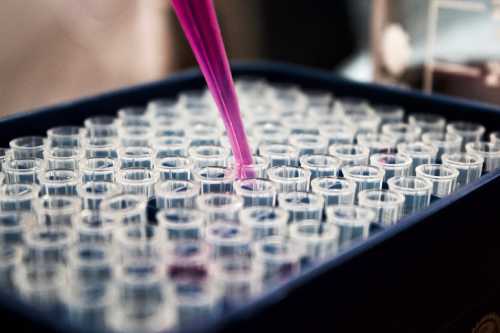
The promise of gene editing has long been to cure genetic diseases by correcting the underlying DNA mutations. However, a revolutionary application of CRISPR technology is now targeting the most common chronic condition in the world: high cholesterol. Verve Therapeutics has made unprecedented strides with its in vivo CRISPR base editing program, specifically the VERVE-101 and VERVE-102 clinical trials. By utilizing a novel base editing technique to permanently disable the PCSK9 gene in the liver, Verve is developing a "one-and-done" intravenous infusion that can permanently lower LDL cholesterol levels by up to 60%. This approach represents a monumental leap from daily statin pills to a single, curative genetic intervention, fundamentally challenging the traditional pharmacological management of cardiovascular disease.
The Mechanism: Base Editing vs. Traditional CRISPR
To appreciate the innovation of Verve’s approach, it is essential to understand the difference between traditional CRISPR-Cas9 and base editing. Traditional CRISPR acts like molecular scissors, creating a double-strand break in the DNA. While effective, this double-strand break carries a risk of unintended chromosomal rearrangements, deletions, or insertions (off-target effects). Base editing, developed by pioneer David Liu, is a more precise tool. It acts like a molecular pencil, chemically converting one DNA base into another (e.g., changing an A-T pair to a G-C pair) without breaking the double helix.
In the case of VERVE-102, the goal is to edit the PCSK9 gene. The PCSK9 protein binds to LDL receptors on the surface of liver cells and marks them for degradation. By reducing PCSK9 levels, more LDL receptors remain on the liver surface to clear LDL cholesterol from the bloodstream. Verve’s base editor is designed to introduce a specific single-nucleotide change in the PCSK9 gene, creating a premature stop codon. This effectively "turns off" the gene, halting the production of the PCSK9 protein. Because the edit is made in the hepatocytes (liver cells), which are long-lived, the effect is permanent for the life of the cell.
Lipid Nanoparticle Delivery: The In Vivo Breakthrough
The most significant hurdle in gene therapy has always been delivery. Getting the CRISPR machinery into the correct cells inside the human body (in vivo) without triggering a massive immune response is incredibly difficult. Verve has solved this by utilizing lipid nanoparticles (LNPs), the same delivery technology used in the mRNA vaccines. The LNPs are engineered to specifically target the liver. They encapsulate the mRNA that encodes the base editor and the guide RNA.
When the LNP infusion is administered intravenously, it circulates through the body and is selectively taken up by hepatocytes. Once inside the cell, the LNP releases the mRNA, and the cell’s own ribosomes translate it into the base editing proteins. These proteins then enter the nucleus, locate the PCSK9 gene, and make the precise edit. This non-viral delivery system is a massive advantage over viral vectors (like AAV), as it avoids the risk of insertional mutagenesis, allows for redosing if necessary, and has a much safer immunological profile.
"The ability to permanently lower LDL cholesterol with a single intravenous infusion is a paradigm shift. For patients with familial hypercholesterolemia or those who cannot tolerate statins, this technology offers the potential for a functional cure, eliminating the burden of daily pills and the lifelong risk of atherosclerotic cardiovascular disease."
Clinical Data: VERVE-101 and VERVE-102 Results
The clinical data from the VERVE-101 Phase 1b trial in the UK and New Zealand, and the ongoing VERVE-102 Phase 1 trial in the US, have validated this approach in humans. In VERVE-101, which targeted the ANGPTL3 gene (another regulator of lipids), a single dose of the base editor resulted in a dose-dependent reduction in triglycerides and LDL cholesterol, with the highest dose achieving a 47% reduction in triglycerides and a 15% reduction in LDL. Crucially, the editing was durable, with no rebound in lipid levels over the follow-up period.
Building on this, VERVE-102 targets the PCSK9 gene directly. Early data presented at cardiology conferences showed that the highest dose cohort achieved up to a 55-60% reduction in LDL cholesterol, which was sustained for the duration of the trial. The safety profile has been generally favorable, with the most common adverse events being mild infusion-related reactions and transient elevations in liver enzymes, which resolved without intervention. Importantly, deep sequencing has shown very low levels of off-target editing, confirming the precision of the base editing technology.
Regulatory Pathways and the Future of In Vivo Editing
The success of Verve’s program has profound implications for the regulatory landscape. The FDA and EMA are actively developing frameworks for the evaluation of in vivo gene editing therapies. Key considerations include the long-term follow-up of patients to monitor for any delayed off-target effects, the potential for germline transmission (though the edit is strictly somatic in the liver), and the ethical considerations of editing the genome for a chronic condition rather than a fatal genetic disease.
If VERVE-102 and subsequent programs prove successful in larger Phase 2/3 trials, the definition of cardiovascular prevention will be rewritten. Instead of prescribing a statin to a 40-year-old with high cholesterol and hoping they adhere to it for the next 40 years, a cardiologist could offer a single infusion that permanently resets their lipid profile. This "one-and-done" approach will likely expand to other targets, including editing the liver to reduce lipoprotein(a), a genetically determined, highly atherogenic lipid that currently has no effective pharmacological treatments. The era of in vivo gene editing for common chronic diseases has officially begun.
Track the latest advancements in gene editing and cardiovascular medicine by following our research desk on X (formerly Twitter) and Facebook.
Related Articles
The Biopharma Bottleneck: How Supply Chains and Regulatory Reality Are Restraining Medical Innovation
Aug 22, 2026
The Structural Faultlines of Modern Medicine: Navigating the Convergence of Capital, Compute, and Geopolitics
Aug 22, 2026
Comments (0)
No comments yet. Be the first to share your thoughts!
Want to join the discussion?
Please log in to post a comment.
Login NoworCreate an Account