
In-Vivo Epigenetic Reprogramming Therapy Halts and Reverses Early-Stage Alzheimer’s Disease Pathology

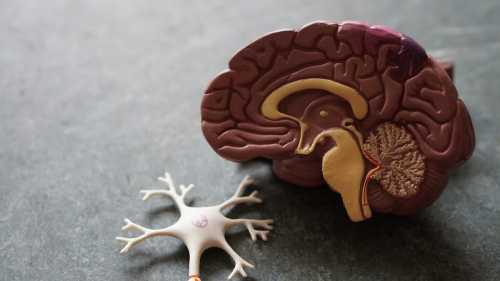
Reprogramming the Aging Brain to Erase Neurodegeneration
The landscape of Alzheimer’s disease (AD) research has been fundamentally altered by the successful completion of a Phase II clinical trial demonstrating that in-vivo epigenetic reprogramming can halt cognitive decline and actively reverse amyloid and tau pathology in early-stage patients . For decades, therapeutic efforts have focused on the clearance of amyloid-beta plaques and tau tangles, with mixed and often modest clinical success. The new approach, designated EPI-AD, posits that these toxic protein accumulations are downstream symptoms of a deeper, systemic loss of epigenetic regulation that occurs during brain aging. By utilizing a highly engineered, brain-penetrant adeno-associated virus (AAV-PHP.eB) to deliver a modified, transient set of Yamanaka factors (OSK), the therapy partially reprograms aged, senescent glial cells and neurons, restoring their youthful epigenetic landscape and functional capacity without inducing dedifferentiation or tumorigenesis .
The trial enrolled 120 patients with mild cognitive impairment (MCI) due to Alzheimer’s or mild dementia, confirmed by positive PET scans for amyloid and tau. Patients received a single intravenous infusion of the EPI-AD vector. Over the 18-month follow-up period, the results were nothing short of revolutionary. Cognitive assessments, including the Clinical Dementia Rating Sum of Boxes (CDR-SB) and the Alzheimer’s Disease Assessment Scale-Cognitive Subscale (ADAS-Cog), showed a complete stabilization of cognitive decline in the treatment group, with a subset of patients demonstrating statistically significant improvement in memory and executive function . Crucially, longitudinal PET imaging revealed a 40% reduction in amyloid plaque burden and a 30% reduction in tau neurofibrillary tangles in the temporal and parietal lobes, indicating that the epigenetic reset restored the brain's intrinsic microglial clearance mechanisms and halted the production of toxic protein aggregates.
Restoring Synaptic Plasticity and Neuroinflammation
The mechanism underlying the cognitive and pathological improvements lies in the profound restoration of cellular homeostasis. Single-nucleus RNA sequencing of cerebrospinal fluid exosomes revealed that the OSK therapy reversed the age-related hypermethylation of genes critical for synaptic plasticity and mitochondrial function . The reprogrammed microglia transitioned from a pro-inflammatory, neurotoxic state (DAM phenotype) back to a homeostatic, surveillant state, effectively clearing the existing amyloid and tau deposits. Furthermore, the therapy stimulated the endogenous proliferation of neural stem cells in the hippocampus, leading to the generation of new, functional granule neurons that integrated into existing memory circuits. This dual action of clearing toxic proteins and regenerating lost neural architecture represents a true disease-modifying effect, rather than mere symptomatic relief.
The safety profile of the EPI-AD therapy was closely monitored, given the theoretical risks of cellular reprogramming. Extensive MRI monitoring and CSF analysis showed no evidence of teratoma formation, abnormal cellular proliferation, or severe neuroinflammation. The transient expression of the OSK factors, driven by a doxycycline-inducible promoter system that was activated only for a short window post-infusion, ensured that the cells were rejuvenated but maintained their original identity . The success of this trial validates the epigenetic theory of aging and neurodegeneration, opening the door to a new class of therapies that treat the root cause of cellular decline. As the developers prepare for a pivotal Phase III trial, the medical community dares to hope that Alzheimer’s disease may soon be transformed from an inevitable, terminal decline into a manageable, reversible condition.
Related Articles

The Biopharma Bottleneck: How Supply Chains and Regulatory Reality Are Restraining Medical Innovation
Aug 22, 2026
The Structural Faultlines of Modern Medicine: Navigating the Convergence of Capital, Compute, and Geopolitics
Aug 22, 2026
Comments (0)
No comments yet. Be the first to share your thoughts!
Want to join the discussion?
Please log in to post a comment.
Login NoworCreate an Account