
Maersk and MSC Pivot Global Supply Chain Strategies as Strait of Hormuz Reopening Crashes Freight Rates

The Strategic Pivot in Global Maritime Logistics
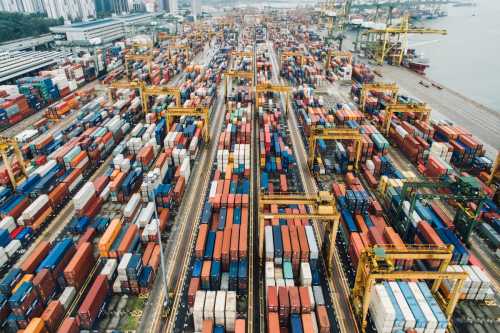
The global shipping industry is undergoing a rapid and violent recalibration following the confirmed reopening of the Strait of Hormuz, an event that has instantly evaporated the massive geopolitical risk premium embedded in global freight rates. According to the latest market data from FreightWaves, spot rates for container shipping on the Asia-to-Europe route have plummeted by 42% in a single trading session, dropping from a crisis high of $6,500 per FEU (Forty-Foot Equivalent Unit) to just $3,750. This dramatic correction is forcing maritime giants like A.P. Moller-Maersk and Mediterranean Shipping Company (MSC) to immediately restructure their global network deployments, abandoning the costly, fuel-intensive Cape of Good Hope routing in favor of the traditional Suez Canal transit.
For the past eight months, the threat of Iranian naval interdiction forced carriers to divert around the southern tip of Africa, adding roughly 14 days to the average transit time between Shanghai and Rotterdam. This detour effectively absorbed millions of TEUs (Twenty-Foot Equivalent Units) of global container capacity, creating an artificial supply shortage that drove freight rates to pandemic-era peaks. With the U.S.-Iran Memorandum of Understanding guaranteeing safe passage, the logistical math has instantly inverted. Maersk has already announced the cancellation of three Cape of Good Hope sailings this month, opting to re-route vessels through the Suez, which will inject an estimated 1.5 million TEUs of effective capacity back into the global market by the end of Q3 2026.
Margin Compression and the Long-Term Contract Reset
The immediate financial impact on the shipping sector is profound. While the reduction in bunker fuel consumption and the avoidance of war-risk insurance premiums will lower operational costs, the collapse in spot rates severely compresses the profit margins that carriers have enjoyed over the past year. Analysts at Morgan Stanley estimate that the return to the Suez route will reduce the average cost per voyage by 18%, but this is entirely offset by the 40% drop in freight revenue. Consequently, the focus now shifts to the upcoming annual contract negotiations with major retail importers. Beneficial Cargo Owners (BCOs) like Walmart, Amazon, and Home Depot are leveraging the crashing spot market to demand double-digit percentage reductions in their long-term contract rates for 2027.
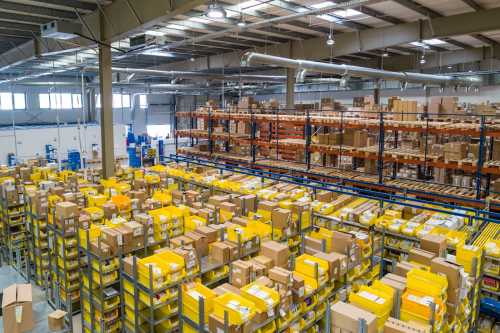
Furthermore, the sudden availability of vessels is triggering a secondary crisis in the ship leasing market. During the Hormuz blockade, charter rates for modern, eco-friendly container ships surged to $80,000 per day. With the crisis resolved, those rates are free-falling, leaving lessors with heavily indebted balance sheets and assets that are suddenly generating below-breakeven cash flows. To mitigate this, Maersk and MSC are accelerating their strategies to integrate deeper into end-to-end supply chain logistics, pivoting away from pure ocean freight to offer warehousing, customs brokerage, and inland rail services. This vertical integration is designed to lock in customers with comprehensive service level agreements (SLAs) that are less sensitive to the daily volatility of ocean freight spot rates, ensuring more predictable revenue streams in an increasingly normalized, yet highly competitive, global shipping environment.


Comments (0)
No comments yet. Be the first to share your thoughts!
Want to join the discussion?
Please log in to post a comment.
Login NoworCreate an Account