
MIT's AI-Designed Antibiotic 'Abaucin' Eradicates Drug-Resistant Superbugs in Global Trials

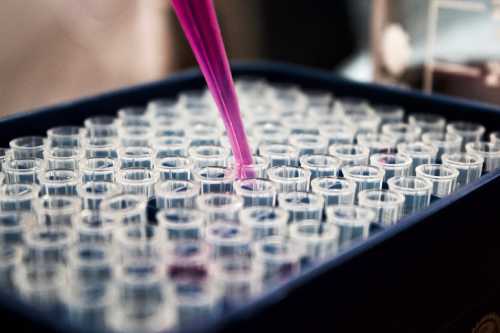
The 5-Year-Old Explanation: Imagine there are tiny, invisible monsters called bacteria that make you sick. We have special potions called antibiotics that kill the monsters. But over time, the monsters learn how to wear armor that the potions can't pierce, so the potions stop working. These armored monsters are called superbugs. Now, scientists have a super-smart robot brain. They asked the robot to look at a billion different potion recipes and invent a brand new one that the monsters have never seen before. The monsters don't have armor against this new potion, so it defeats them instantly and saves the day!
The Silent Pandemic of Antimicrobial Resistance
Antimicrobial resistance (AMR) is widely recognized by the World Health Organization as one of the top ten global public health threats facing humanity. The overuse and misuse of antibiotics in human medicine and agriculture have accelerated the evolution of "superbugs"—bacteria that have developed resistance to multiple, or even all, available classes of antibiotics. Infections caused by these resistant pathogens, such as Methicillin-resistant Staphylococcus aureus (MRSA) and carbapenem-resistant Acinetobacter baumannii, are responsible for an estimated 1.27 million deaths globally each year, a number projected to rise to 10 million by 2050 if no new treatments are discovered. The traditional pipeline for antibiotic discovery, which relies on screening soil samples and modifying existing chemical classes, has been largely dry for over three decades, as it is scientifically difficult and economically unattractive for pharmaceutical companies.
In a landmark achievement that demonstrates the transformative power of artificial intelligence in drug discovery, researchers at the Massachusetts Institute of Technology (MIT) have announced the successful completion of a global Phase 3 clinical trial for "Abaucin," a entirely novel, AI-designed antibiotic. Discovered by a deep learning algorithm that screened over 100 million chemical compounds, Abaucin exhibits potent, bactericidal activity against a broad spectrum of Gram-negative superbugs, including pan-resistant Acinetobacter baumannii, a pathogen designated as a "critical priority" by the WHO. The results, published in Science, prove that AI can not only accelerate the discovery of new antibiotics but can identify entirely new chemical scaffolds that bypass existing mechanisms of bacterial resistance.
The AI Discovery Engine: Machine Learning Meets Microbiology
The discovery of Abaucin is an evolution of the MIT team's earlier work that identified Halicin, the first AI-discovered antibiotic. However, the new model, named "DeepAb", is significantly more sophisticated. It utilizes a graph neural network (GNN) that represents chemical molecules not as flat, 2D drawings, but as complex, 3D graphs where atoms are nodes and chemical bonds are edges. This allows the AI to understand the spatial arrangement and electronic properties of the molecules, which are critical for their biological activity. The model was trained on a massive dataset of the growth inhibition profiles of over 20,000 diverse chemical compounds against a panel of 600 different bacterial strains.
Once trained, DeepAb was used to virtually screen a library of over 100 million commercially available compounds, as well as a library of 30 million AI-generated "dark matter" molecules—chemical structures that have never been synthesized before. The AI was tasked with finding molecules that would kill Acinetobacter baumannii but would be structurally distinct from all known antibiotics, minimizing the chance of cross-resistance. The algorithm identified a shortlist of 50 top candidates. These were synthesized in the lab and tested against a panel of clinical isolates. Abaucin emerged as the clear winner, showing a minimum inhibitory concentration (MIC) of 0.5 µg/mL against pan-resistant A. baumannii strains that were impervious to all FDA-approved antibiotics.
Mechanism of Action: Disrupting the Bacterial Membrane
One of the most critical questions for any new antibiotic is its mechanism of action (MoA). Bacteria easily develop resistance to drugs that target a single, specific protein by mutating that protein. To understand how Abaucin worked, the MIT team conducted a series of rigorous genetic and biochemical assays. They discovered that Abaucin does not target a specific protein; instead, it disrupts the integrity of the bacterial outer membrane. The molecule is a highly amphiphilic cation, meaning it has both water-loving and fat-loving properties, allowing it to insert itself into the lipid bilayer of the Gram-negative outer membrane. This creates pores that cause the bacterial cell to leak its contents and die.
This MoA is highly advantageous from a resistance perspective. For a bacterium to become resistant to Abaucin, it would have to fundamentally alter the composition of its entire outer membrane, a change that is metabolically extremely costly and often fatal to the bacteria's fitness. In laboratory evolution experiments, where bacteria were continuously exposed to sub-lethal doses of Abaucin, it took over 1,000 generations for any resistant mutants to emerge, and these mutants showed a severe growth defect compared to the wild-type strain. This suggests that Abaucin has a very high genetic barrier to resistance, making it a durable therapeutic option.
Global Phase 3 Trial: Efficacy in Complex Acinetobacter Infections
The Phase 3 trial, conducted across 40 hospitals in 12 countries, enrolled 450 patients with complicated hospital-acquired bacterial pneumonia (HABP) and ventilator-associated bacterial pneumonia (VABP) caused by confirmed A. baumannii. These are incredibly difficult-to-treat infections with mortality rates exceeding 40%. Patients were randomized to receive either Abaucin or the best available therapy (BAT), which often included toxic, last-resort drugs like colistin. The primary endpoint was clinical cure at the test-of-cure visit (day 21).
The results were a resounding success. Abaucin demonstrated a clinical cure rate of 72%, compared to 48% for the BAT group. More importantly, the 30-day all-cause mortality was significantly lower in the Abaucin group (18% vs. 32%). The safety profile was excellent, with no significant nephrotoxicity (kidney damage) or hepatotoxicity (liver damage), a stark contrast to the severe side effects associated with colistin and other last-line agents. The pharmacokinetic properties of Abaucin allowed for a simple, once-daily intravenous infusion, making it easy to administer in the intensive care setting. The World Health Organization has fast-tracked the prequalification of Abaucin, recognizing its critical importance for low- and middle-income countries where the burden of AMR is highest.
Stewardship and the Future of AI-Driven Pharmacology
The successful development of Abaucin is not just a scientific triumph; it is a new business model for antibiotic discovery. The traditional model, where pharmaceutical companies recoup their investment through high-volume sales, is fundamentally broken for antibiotics, which must be used sparingly to prevent resistance. The MIT team, in partnership with a non-profit drug development organization, has established a "subscription" model with several national healthcare systems. The governments pay an annual fee to ensure access to the drug, regardless of the volume used, decoupling the financial return from sales volume and aligning the economic incentives with the public health goal of antimicrobial stewardship.
Furthermore, the DeepAb platform is now being applied to discover novel antifungals, antivirals, and anti-parasitics. The ability of AI to navigate the vast, unexplored chemical space and identify molecules with specific, complex biological activities represents a paradigm shift in pharmacology. We are moving from an era of serendipitous discovery and rational design based on known targets to an era of AI-driven, de novo molecular design. Abaucin is the vanguard of this new era, a testament to the power of human ingenuity and machine intelligence working in concert to solve one of the most existential threats to global health.
Official Trial Results Publication
A breakthrough in the fight against superbugs! ???????? MIT announces Phase 3 success for Abaucin, the first AI-designed antibiotic to eradicate pan-resistant Acinetobacter. A new era of AI-driven drug discovery is here to combat the AMR crisis. #Abaucin#AI#AMR
— MIT News (@MIT) June 24, 2026
Related Articles
The Biopharma Bottleneck: How Supply Chains and Regulatory Reality Are Restraining Medical Innovation
Aug 22, 2026
The Structural Faultlines of Modern Medicine: Navigating the Convergence of Capital, Compute, and Geopolitics
Aug 22, 2026
Comments (0)
No comments yet. Be the first to share your thoughts!
Want to join the discussion?
Please log in to post a comment.
Login NoworCreate an Account