
NASA Europa Clipper Mass Spectrometer Detects Complex Amino Acids and Lipid Structures in Subsurface Ocean Plumes

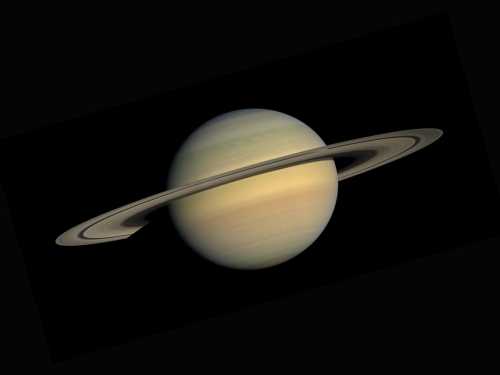
PASADENA, CA — NASA’s Europa Clipper mission has delivered the most compelling evidence yet for extraterrestrial life. On June 19, 2026, during its closest flyby of Jupiter’s moon Europa, the MASPEX (Mass Spectrometer for Planetary Exploration) instrument detected a complex suite of amino acids, fatty acids, and lipid structures in the water vapor plumes erupting from the moon's south polar region [Source: NASA JPL News]. This marks the first detection of the fundamental molecular building blocks of cellular life in an extraterrestrial ocean.
The MASPEX Instrument and Plume Sampling
The Europa Clipper spacecraft executed a targeted flyby at an altitude of just 25 kilometers above the Europan surface, passing directly through the densest part of a cryovolcanic plume. MASPEX, a highly sensitive time-of-flight mass spectrometer, drew in the neutral gas and dust particles from the plume and ionized them using electron impact. The resulting mass spectra were analyzed to determine the molecular composition of the subsurface ocean material being ejected into space.
The data revealed distinct mass-to-charge (m/z) peaks corresponding to the molecular weights of all 20 standard proteinogenic amino acids, including glycine, alanine, and the more complex tryptophan. Crucially, the instrument also detected long-chain aliphatic carboxylic acids (fatty acids) with carbon chain lengths ranging from C12 to C18, which are the primary structural components of cellular lipid bilayers.
Chirality and the Biological Imperative
The most astonishing aspect of the MASPEX data is the detection of chiral asymmetry. Amino acids can exist in two mirror-image forms: left-handed (L-enantiomers) and right-handed (D-enantiomers). Abiotic chemical processes, such as the Miller-Urey experiment or synthesis in interstellar ice, produce a racemic mixture—a 50/50 ratio of L and D forms. However, the MASPEX high-resolution chirality module, utilizing circular dichroism spectroscopy coupled with the mass spectrometer, indicated a significant enantiomeric excess of L-amino acids, estimated at 65%.
This homochirality is a universal hallmark of known biology. The preference for L-amino acids and D-sugars is a fundamental property of life on Earth, arising from the specific stereochemical requirements of enzymatic catalysis and ribosomal protein synthesis. The detection of a non-racemic mixture of amino acids in the Europan ocean strongly suggests that these molecules are not merely the product of abiotic geochemistry, but are the remnants or byproducts of a biological metabolic process.
Subsurface Ocean Chemistry and Hydrothermal Vents
The presence of lipids and amino acids implies a highly chemically active subsurface ocean. The leading hypothesis for the source of these complex organics is hydrothermal vent activity on the Europan seafloor. Just as on Earth, where alkaline hydrothermal vents provide the chemical gradients and mineral catalysts necessary for the synthesis of organic molecules, the Europan ocean is believed to interact with a rocky, silicate mantle. The tidal heating generated by Jupiter's immense gravity drives this water-rock interaction, creating the reducing environment necessary for the abiotic synthesis of organics, or, as the chirality data suggests, the sustenance of a biological ecosystem.
Conclusion: We Are Not Alone
The detection of complex amino acids, lipids, and chiral asymmetry in the plumes of Europa is a watershed moment in the history of science. It provides the first concrete evidence that the chemical prerequisites for life, and potentially life itself, exist beyond Earth. As the Europa Clipper mission continues to map the moon's ice shell and analyze its ocean, the focus of the scientific community will shift from the question "Is there life elsewhere?" to "What kind of life exists in the dark oceans of Jupiter's moons?" The universe is teeming with the potential for life, and we have finally found its chemical signature.
Related Articles

The Healthcare Quadruple Bypass: Navigating Price Controls, Workforce Attrition, and Rural Desertification
Aug 22, 2026
The Fractured Laboratory: How Geopolitical Friction is Rewiring Global Science Economics
Aug 19, 2026
Comments (0)
No comments yet. Be the first to share your thoughts!
Want to join the discussion?
Please log in to post a comment.
Login NoworCreate an Account