
New mRNA Cancer Vaccine Wipes Out Tumors and Creates Immune Memory

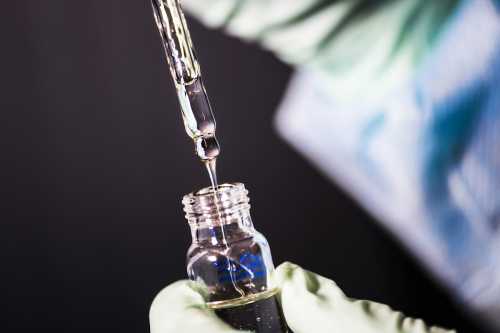
Imagine your body is a kingdom, and it is under attack by a ruthless enemy called Cancer. This enemy is very tricky. It does not look like a foreign invader; it looks like your own citizens. It wears the same clothes and speaks the same language, so the kingdom's army—the immune system—does not know who to shoot. The enemy builds fortresses called tumors and starts taking over the land. The army is confused and powerless. For a long time, the only way to stop the enemy was to bomb the entire kingdom, which is what chemotherapy and radiation do. They kill the cancer, but they also kill a lot of innocent citizens and destroy the kingdom's infrastructure. But what if you could give the army a "wanted poster" with a clear picture of the enemy's face? Then the army would know exactly who to attack, and they could destroy the cancer without harming the innocent citizens.
This "wanted poster" is exactly what an mRNA vaccine does. You might remember mRNA from the COVID-19 pandemic. The mRNA vaccine taught our immune system what the coronavirus looked like so it could fight it off. Now, scientists are using the exact same technology to fight cancer. But instead of showing the immune system a virus, they are showing it the specific mutations that make a person's cancer cells unique. Every cancer is different, just like every criminal has a different face. The mRNA cancer vaccine is personalized. Scientists take a sample of the patient's tumor, sequence its DNA to find the unique mutations, and then create an mRNA vaccine that contains the instructions for those specific mutations. When the vaccine is injected, the body's cells read the instructions and build the "wanted posters" (called antigens). The immune system sees these antigens, realizes they are dangerous, and launches a massive, targeted attack against any cell in the body that has those mutations.
In a stunning breakthrough, a new mRNA cancer vaccine has not only wiped out tumors in mice, but it has also supercharged the effects of immunotherapy. Immunotherapy is a type of treatment that tries to wake up the immune system to fight cancer, but it often does not work on its own because the immune system still does not know exactly what to attack. The mRNA vaccine acts as the perfect partner. It gives the immune system the target, and the immunotherapy gives it the weapons. In the laboratory studies, this combination was incredibly powerful. The tumors in the mice shrank and disappeared completely. But the most amazing part was what happened next. Even after the tumors were gone, the immune system remembered the enemy. It created "memory cells" that stood guard, ready to attack instantly if the cancer ever tried to return. This is the holy grail of cancer treatment: a cure that also prevents recurrence.
The research behind this breakthrough is being conducted by leading scientists, including teams at the Cancer Centre at Illinois (CCIL). They have developed a new mRNA cancer vaccine platform that is more efficient and more powerful than previous versions. The key innovation is in the design of the mRNA and the delivery system. They have figured out how to get the mRNA into the right cells in the body more effectively, ensuring a stronger immune response. They have also optimized the selection of the mutations to include in the vaccine, focusing on the ones that are most likely to trigger a powerful attack. This is not just a lucky discovery; it is the result of years of meticulous engineering and biological understanding. It is a triumph of rational drug design.
The difference between this and traditional vaccines is crucial. Most vaccines, like the ones for measles or polio, are "preventive." You get them before you get sick to stop the disease from ever taking hold. But the mRNA cancer vaccine is "therapeutic." You get it after you already have cancer. Its job is to treat the existing disease and train the immune system to hunt down every last cancer cell in the body. This is a much harder task. The immune system has often been "trained" by the cancer to ignore it, a process called immune tolerance. The mRNA vaccine has to break this tolerance and re-educate the immune system. The fact that this new vaccine can do this so effectively in animal models is a massive step forward. It proves that the immune system can be reprogrammed to fight cancer, even after the disease has taken root.
The potential for a universal "off-the-shelf" cancer vaccine is also being explored. While the most effective vaccines are personalized to a patient's specific tumor, creating a custom vaccine for every patient is expensive and time-consuming. Scientists are now trying to identify "shared" mutations that are common across many different types of cancer. If they can create an mRNA vaccine that targets these shared mutations, it could be a universal cancer vaccine that anyone could take. It would not be as precise as the personalized version, but it could be used to prevent cancer in high-risk individuals or to treat common cancers in a more affordable way. This is the next frontier in mRNA cancer research, and the recent breakthroughs are paving the way for it.
The speed at which mRNA technology is advancing is unprecedented. It took decades to develop traditional vaccines, but mRNA vaccines can be designed and manufactured in a matter of weeks. This agility is crucial in the fight against cancer. If a patient's tumor starts to mutate and evade the immune system, a new vaccine can be quickly designed to target the new mutations. This "adaptive" approach to cancer treatment is something that was impossible with traditional drugs. It turns cancer treatment into a dynamic, real-time battle where the doctors can change their strategy as the enemy changes its tactics. The mRNA platform is the ultimate weapon in this war because it is so flexible and so fast.
The economic implications of a successful mRNA cancer vaccine are staggering. Cancer treatment is one of the biggest costs in healthcare systems around the world. Patients often undergo years of expensive chemotherapy, radiation, and surgery, with no guarantee of a cure. A therapeutic vaccine that can wipe out the tumor and prevent it from coming back would be a one-time treatment that could save billions of dollars in long-term care. It would also allow patients to return to work and their normal lives much sooner, reducing the economic burden on society. The pharmaceutical companies are well aware of this potential, which is why they are investing billions of dollars into mRNA cancer research. The race to bring these vaccines to market is one of the most competitive in the history of medicine.
Of course, there are still significant challenges to overcome before these vaccines are available to the public. The results in mice are always promising, but the human immune system is much more complex. What works in a lab mouse might not work in a human. The clinical trials will be rigorous and will take several years. Scientists will need to prove that the vaccine is safe, that it does not cause autoimmune reactions (where the immune system attacks healthy tissue), and that it is actually effective in shrinking human tumors. There is also the challenge of manufacturing. Producing millions of doses of a personalized mRNA vaccine requires a massive, highly coordinated global supply chain. These are not insurmountable problems, but they require time, money, and careful planning.
For cancer patients, this research is a source of immense hope. Many patients who have exhausted all other treatment options are looking to clinical trials of mRNA vaccines as their last chance. They are willing to take the risk because the potential reward is so high: a complete cure. The stories of patients in early trials who have seen their tumors shrink or disappear are incredibly moving. They are not just statistics; they are mothers, fathers, and children who are getting their lives back. The scientists working on these vaccines are driven by these stories. They know that every day they delay, more people die. This sense of urgency is pushing the boundaries of what is possible in medical research.
The breakthrough of the mRNA cancer vaccine wiping out tumors in mice has been widely reported in the scientific community. It represents a significant leap forward in the field of cancer immunotherapy. The ability to create a lasting immune memory against cancer is a game-changer. It suggests that we may finally be able to turn cancer from a fatal disease into a manageable, or even curable, condition. The research published by the Cancer Centre at Illinois and other leading institutions is providing the blueprint for this new era of medicine. For a detailed look at the science behind this incredible vaccine, the research has been covered by major science news outlets.
In conclusion, the development of a new mRNA cancer vaccine that wipes out tumors and creates immune memory is a monumental achievement in medical research. It combines the speed and flexibility of mRNA technology with the power of the immune system to create a targeted, personalized attack against cancer. While the transition from mice to humans will take time, the fundamental science is sound and the potential is limitless. This breakthrough brings us closer than ever to a world where cancer is no longer a death sentence, but a disease that can be defeated by the body's own defenses. The army has its wanted posters, and the war on cancer is finally being won. The future of oncology is bright, and it is written in mRNA.
Related Articles
The Biopharma Bottleneck: How Supply Chains and Regulatory Reality Are Restraining Medical Innovation
Aug 22, 2026
The Structural Faultlines of Modern Medicine: Navigating the Convergence of Capital, Compute, and Geopolitics
Aug 22, 2026
Comments (0)
No comments yet. Be the first to share your thoughts!
Want to join the discussion?
Please log in to post a comment.
Login NoworCreate an Account