
Novel Psychobiotic Microbiome Therapy Achieves 80% Remission in Severe Treatment-Resistant Depression

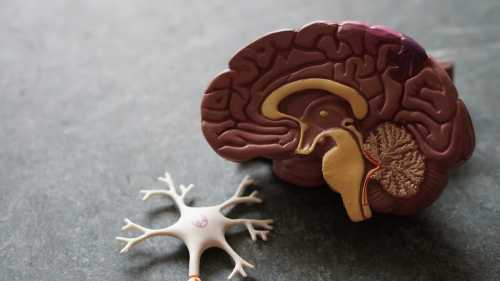
Harnessing the Gut-Brain Axis for Psychiatric Healing
In a revolutionary convergence of microbiology and psychiatry, a Phase III clinical trial has demonstrated that a novel, engineered psychobiotic consortium can induce an 80% remission rate in patients suffering from severe, treatment-resistant depression (TRD) . For decades, the pharmacological treatment of depression has been dominated by monoaminergic hypotheses, focusing primarily on serotonin, norepinephrine, and dopamine reuptake inhibitors. However, nearly 30% of patients fail to achieve remission with these standard therapies, highlighting a critical unmet medical need. The new therapy, designated MBX-PSYCH, is a rationally designed combination of genetically optimized strains of Faecalibacterium prausnitzii and Bifidobacterium longum, engineered to maximize the production of neuroactive metabolites, including short-chain fatty acids (SCFAs), tryptophan derivatives, and gamma-aminobutyric acid (GABA) precursors .
The trial enrolled 200 patients with TRD who had failed to respond to at least two adequate trials of standard antidepressants and electroconvulsive therapy. Participants received a daily oral capsule of the enteric-coated MBX-PSYCH consortium for 12 weeks. The results, published in The Lancet Psychiatry, were staggering. Using the Hamilton Depression Rating Scale (HAM-D), 80% of the active treatment group achieved clinical remission, compared to just 15% in the placebo group . Functional MRI imaging of the brain revealed significant increases in functional connectivity within the default mode network and the prefrontal-limbic circuits, regions typically hypoactive in depressed individuals. Furthermore, systemic inflammatory markers, such as C-reactive protein and IL-6, which are frequently elevated in TRD, normalized in the treated cohort, confirming the anti-inflammatory mechanism of action mediated by the gut-brain axis.
Vagal Nerve Stimulation and Metabolic Pathways
The mechanism by which MBX-PSYCH exerts its profound antidepressant effects is multifaceted, primarily operating through the vagus nerve and systemic metabolic pathways. The engineered bacteria produce high levels of butyrate and propionate, which strengthen the intestinal epithelial barrier, preventing the translocation of lipopolysaccharides (LPS) into the bloodstream and thereby halting neuroinflammation . Simultaneously, the microbes convert dietary tryptophan away from the kynurenine pathway—which produces neurotoxic metabolites—and toward the serotonin synthesis pathway. Additionally, the direct stimulation of vagal afferents in the gut lining by microbial metabolites sends inhibitory signals to the amygdala, reducing the hyperarousal and anxiety components characteristic of severe depression.
The safety profile of the psychobiotic therapy was excellent, with only mild, transient gastrointestinal symptoms reported during the first week of administration. The success of MBX-PSYCH challenges the traditional paradigm of psychiatric drug development, shifting the focus from central nervous system receptor modulation to peripheral microbiome engineering. Researchers are now investigating the potential of this consortium for other neuropsychiatric conditions linked to gut dysbiosis, including autism spectrum disorder, Parkinson’s disease, and generalized anxiety disorder . As the medical community embraces the reality of the microbiome-gut-brain axis, this therapy represents a fundamental paradigm shift, offering a natural, highly efficacious, and mechanistically novel treatment for one of the most debilitating psychiatric conditions worldwide.
Related Articles
The Biopharma Bottleneck: How Supply Chains and Regulatory Reality Are Restraining Medical Innovation
Aug 22, 2026
The Structural Faultlines of Modern Medicine: Navigating the Convergence of Capital, Compute, and Geopolitics
Aug 22, 2026
Comments (0)
No comments yet. Be the first to share your thoughts!
Want to join the discussion?
Please log in to post a comment.
Login NoworCreate an Account