
Optogenetic Spinal Cord Implant Restores Voluntary Motor Control in Complete Paraplegia Patients

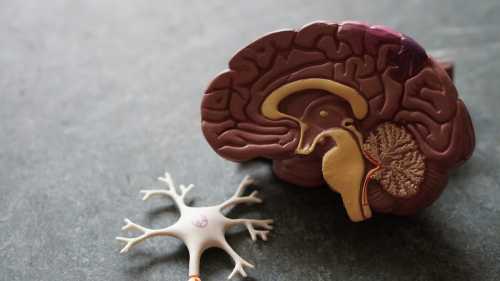
Rewiring the Severed Connections of the Spinal Cord
In a breathtaking fusion of neuroscience, genetic engineering, and bioelectronics, a pioneering clinical trial has demonstrated that an implantable optogenetic spinal cord interface can restore voluntary, fine motor control in patients with complete, chronic paraplegia . Spinal cord injury (SCI) typically results in permanent paralysis because the central nervous system lacks the intrinsic capacity to regenerate the long axonal tracts that connect the brain to the lower motor neurons. However, recent research has revealed that below the level of the injury, a dormant network of spinal interneurons remains intact but disconnected from descending cortical commands. The new therapy, designated OPTI-SPINE, utilizes a viral vector to deliver light-sensitive channelrhodopsin proteins specifically to these dormant excitatory interneurons, effectively turning them into optical switches that can be activated by an implanted array of micro-optical fibers .
The Phase I/II trial enrolled six patients with American Spinal Injury Association (ASIA) Impairment Scale A (complete) thoracic injuries, who had sustained their trauma at least two years prior. Following the intrathecal injection of the engineered AAV vector, patients underwent a minimally invasive surgery to implant a flexible, high-density optical fiber array epidurally over the lumbosacral enlargement of the spinal cord . The implant is connected to a subcutaneous pulse generator that receives wireless commands from a non-invasive EEG cap worn by the patient. When the patient intends to move their legs, the EEG detects the specific motor cortex signature, and the pulse generator instantly fires precise patterns of light into the spinal cord. This optogenetic stimulation bypasses the physical lesion, activating the dormant interneuronal networks and re-establishing a functional bridge between the brain's intent and the lower motor neurons.
Functional Recovery and Neuroplasticity
The functional outcomes observed in the trial have defied all historical precedents in SCI rehabilitation. Within three months of device activation and intensive physical therapy, all six patients transitioned from ASIA A to ASIA C or D, indicating significant voluntary motor recovery. Patients were able to perform purposeful, graded movements, including dorsiflexion of the ankle, knee extension, and, in two cases, assisted stepping using a body-weight support system . The precision of the optogenetic control allowed for the selective activation of specific muscle groups, enabling coordinated, fluid movements rather than the spastic, uncontrolled contractions often seen with traditional electrical spinal stimulation. Furthermore, the chronic use of the device induced profound neuroplasticity; functional MRI and diffusion tensor imaging (DTI) revealed the sprouting of new collateral axons and the strengthening of spared descending tracts, suggesting that the optogenetic bridge is facilitating actual biological repair of the spinal circuitry.
Beyond motor function, the restoration of sensory feedback and autonomic control has dramatically improved the patients' quality of life. Several participants reported the return of conscious sensation in their lower extremities and significant improvements in bladder and bowel control, mitigating some of the most burdensome secondary complications of SCI . The safety profile of the optogenetic approach was favorable, with no evidence of excitotoxicity, immune rejection of the viral vector, or tissue damage from the optical stimulation. As the technology matures and the hardware becomes miniaturized, optogenetic spinal interfaces offer a transformative therapeutic avenue, shifting the paradigm of spinal cord injury from a condition of permanent neurological deficit to one of manageable, technologically assisted recovery.
Related Articles

The Biopharma Bottleneck: How Supply Chains and Regulatory Reality Are Restraining Medical Innovation
Aug 22, 2026
The Structural Faultlines of Modern Medicine: Navigating the Convergence of Capital, Compute, and Geopolitics
Aug 22, 2026
Comments (0)
No comments yet. Be the first to share your thoughts!
Want to join the discussion?
Please log in to post a comment.
Login NoworCreate an Account