
Pakistan Energy Policy Faces Severe Challenges Amid 2026 Geopolitical Oil Shock

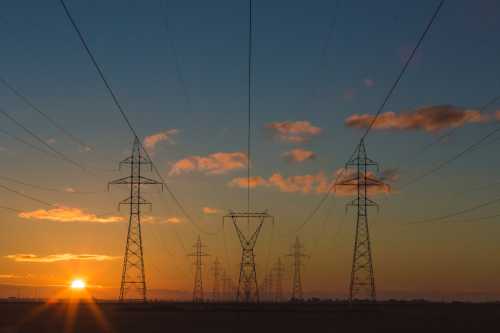
Imagine your family has a car that you use to go to school, visit grandparents, and go on fun vacations. The car runs on a special fuel that you have to buy from a gas station. One day, you go to the gas station and find out that the price of the fuel has suddenly doubled because the countries that produce the fuel are arguing with each other and have stopped selling it to certain people. Your family now has to spend twice as much money just to drive the same distance. This means you have less money to buy food, pay for your school fees, or fix the roof if it leaks. This is exactly what is happening to the entire country of Pakistan right now. The world is experiencing a massive "geopolitical oil shock" in 2026, meaning that conflicts in other parts of the world have caused the price of oil and gas to skyrocket. Because Pakistan imports most of the oil it needs to run its cars, its factories, and its power plants, this global crisis is creating a massive emergency for the country's energy policy. Let us explore how the government is trying to handle this incredibly difficult situation.
The Root of the Crisis: Global Conflict and Surging Prices
To understand Pakistan's energy problem, we have to look at the map of the world. A large portion of the world's oil and gas comes from the Middle East. Recently, tensions and conflicts in the Middle East have escalated significantly, disrupting major trade routes like the Red Sea and the Strait of Hormuz. When these trade routes are disrupted, the ships that carry oil have to take much longer, more dangerous paths around the entire continent of Africa. This takes more time and costs a lot more money in fuel and insurance. Furthermore, the actual fighting has damaged some oil facilities and made global markets very nervous. When markets are nervous, the price of oil goes up. In early 2026, the price of crude oil surged to levels not seen in many years. For a country like Pakistan, which spends billions of dollars every year just to import fuel, this price hike is a devastating blow to the national budget.
When the cost of importing oil goes up, the ripple effects are felt by every single citizen. First, the price of petrol and diesel at the local pump increases, making transportation expensive. Second, because most of Pakistan's electricity is still generated by burning imported fossil fuels (like oil and liquefied natural gas), the cost of generating electricity goes up. This leads to massive electricity bills for homes and businesses. Third, because tractors use diesel and trucks use petrol to transport food from farms to cities, the price of flour, vegetables, and fruit also goes up. This is called "imported inflation," and it is one of the most difficult types of inflation to fight because the problem is happening outside the country's borders. The government's energy policy is currently in a state of emergency, trying to find ways to keep the lights on and the cars moving without bankrupting the country.
The Shift to Renewables: A Desperate but Necessary Pivot
Faced with this crisis, the government has realized that relying on imported oil is simply too dangerous for national security. You cannot build a stable economy if your energy supply depends on the whims of foreign conflicts. Therefore, the 2026 energy policy has aggressively pivoted towards renewable energy sources, primarily solar, wind, and hydroelectric power. The sun shines brightly in Pakistan for most of the year, and the wind blows strongly along the coast of Sindh and the mountains of the north. These resources are free and, most importantly, they cannot be blockaded or taxed by foreign countries. The government has introduced new policies that make it incredibly cheap and easy for households and factories to install solar panels. They have removed taxes on solar equipment and introduced "net metering" on a massive scale. Net metering allows a house with solar panels to sell its extra electricity back to the government grid during the day, effectively turning the electricity meter backward and reducing the bill to zero or even making money.
On a larger scale, the government is fast-tracking massive hydroelectric and solar parks. Projects that used to take ten years to approve are now being pushed through in a few months. The goal is to change the energy mix of the country so that more than 60 percent of the electricity comes from cheap, local, renewable sources. However, this transition is not easy. Solar panels only work when the sun is shining, and wind turbines only work when the wind is blowing. To store this energy for use at night, the country needs massive, incredibly expensive battery storage systems. Pakistan's energy policy is currently focused on securing international loans and investments specifically for these battery storage projects, which are the missing link to making renewable energy a 24/7 reality.
Pakistan's energy sector faces severe challenges amid the 2026 geopolitical oil shock. The government is accelerating the shift to renewables and restructuring the grid to ensure affordability and security.
— SDPI Pakistan (@SDPI_Pakistan) June 20, 2026
The Monster of Circular Debt and Policy Acrobatics
While shifting to solar power is a great long-term solution, the government is currently bleeding money because of a massive problem called "circular debt." Circular debt is like a giant, vicious cycle of unpaid bills in the energy sector. Here is how it works: the government generates electricity, but because it is so expensive, many people cannot afford to pay their full electricity bills. Some people also steal electricity illegally. Because the power companies do not collect all the money they are owed, they cannot pay the companies that supply the oil and gas to generate the power. Those oil and gas companies then refuse to supply more fuel until they are paid. To keep the power plants running, the government has to step in and borrow money to pay the oil companies. This borrowing adds to the national debt, and the interest on that debt makes the electricity even more expensive, which means people pay even less of their bills. The cycle continues, growing larger and larger like a snowball rolling down a hill.
The current energy policy is performing what experts call "acrobatics" to try and stop this snowball. The government has introduced strict smart meters that cannot be tampered with, drastically reducing electricity theft. They have also hiked the tariffs (prices) for very high-income individuals and large industries, forcing those who can afford it to pay more, which subsidizes the poor. Furthermore, they are renegotiating contracts with Independent Power Producers (IPPs)—the private companies that own many of the power plants. The government is trying to shift these contracts from dollar-based pricing to rupee-based pricing, so that when the Pakistani Rupee loses value against the Dollar, the cost of electricity does not automatically skyrocket. These are incredibly painful and politically unpopular decisions, but the government argues they are the only way to prevent the entire energy sector from collapsing under the weight of its own debt.
Balancing Affordability, Security, and the Future
The ultimate challenge for Pakistan's energy policy in 2026 is balancing three competing needs: affordability, security, and sustainability. The people need electricity to be cheap enough to afford (affordability). The country needs to not rely on foreign oil that can be cut off during a war (security). And the world needs Pakistan to reduce its carbon emissions to fight climate change (sustainability). Achieving all three at the same time is incredibly difficult. The government is currently prioritizing security and sustainability by pushing hard for local coal, hydro, solar, and nuclear power, even if it means the transition period is financially painful. They are also exploring regional connectivity, such as importing cheaper electricity from hydro-rich Central Asian countries through the CASA-1000 project, which would provide a steady, cheap stream of power without burning any fossil fuels.
In conclusion, the 2026 geopolitical oil shock has exposed the deep vulnerabilities in Pakistan's energy sector, but it has also acted as a powerful catalyst for change. The era of relying on expensive, imported fossil fuels is rapidly coming to an end, forced by the harsh realities of global economics and conflict. The government's energy policy is currently in a state of aggressive transition, characterized by massive investments in solar and hydro power, strict crackdowns on theft and circular debt, and a fundamental restructuring of how power is bought and sold. While the current situation is undeniably tough, with high bills and economic strain, the policies being implemented today are designed to ensure that in the future, Pakistan's energy will be cheap, abundant, and entirely under its own control. The road is long and difficult, but the destination is a self-reliant, green, and secure energy future for the nation. Read the SDPI Policy Brief on Energy Economics.
Related Articles
The Policy Paradox: Navigating Industrial Subsidies, Carbon Border Adjustments, and Fiscal Constraints
Aug 22, 2026
The Redrawn Regulatory Seascape: Navigating the Convergence of Global Policy Faultlines
Aug 22, 2026
Comments (0)
No comments yet. Be the first to share your thoughts!
Want to join the discussion?
Please log in to post a comment.
Login NoworCreate an Account