
Pakistan Launches National Medicine Barcode and QR Code Verification System to Eliminate Counterfeit Drugs

Understanding the Basics: The Danger of Fake Medicines
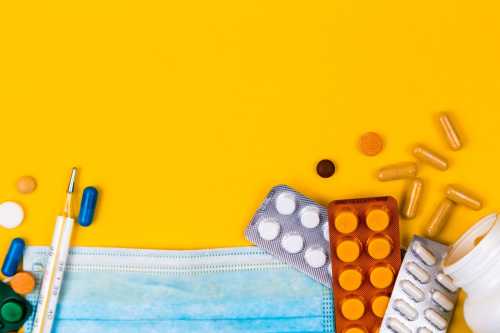
Imagine you go to a store to buy a brand-new, expensive smartphone. You pay the money, take the box home, and open it up, only to realize it is a cheap, plastic toy that looks like a phone but does not work at all. It is frustrating, but at least it will not hurt you. Now, imagine if that fake phone was actually a bomb that could explode in your hands. That is what buying counterfeit medicine is like. When you are sick, you go to the pharmacy to buy medicine that is supposed to heal you. But if the medicine is fake, it might contain nothing at all, meaning your disease gets worse while you think you are being treated. Or, even worse, it might contain toxic chemicals, like rat poison or floor cleaner, that actively damage your organs. In many parts of the world, including Pakistan, the trade of fake medicines is a massive, dangerous black market. Criminals print fake boxes, fill them with useless or harmful powders, and sell them to unsuspecting patients. Because these fake drugs look exactly like the real thing, even doctors and pharmacists cannot tell the difference just by looking at them. This is why a system is needed to give every single medicine box a unique, unforgeable digital fingerprint that anyone can check instantly.
The Big News: A Digital Shield for Pakistan's Healthcare
In a massive victory for public health and consumer safety, the Government of Pakistan has officially announced the launch of a comprehensive national medicine barcode and QR code verification system within the next 60 days www.medicalnews.pk . This initiative is a direct, aggressive response to the rampant issue of counterfeit and substandard pharmaceuticals that have long plagued the country's healthcare system. Under this new mandate, every single strip of pills, every bottle of syrup, and every vial of injectable medicine manufactured in Pakistan or imported into the country will be required to carry a unique, encrypted QR code and a scannable barcode. This is not just a simple label; it is a sophisticated track-and-trace technology linked to a centralized, government-managed digital database. When a patient, a doctor, or a pharmacist scans this code using a standard smartphone or a pharmacy scanner, the system will instantly verify the medicine's entire journey. It will show exactly which factory made it, the exact batch number, the date it was manufactured, its expiration date, and every single step it took through the supply chain to reach the pharmacy shelf. If the code is missing, damaged, or if the database says the medicine was supposed to go to a hospital in Lahore but is being scanned in a shop in Karachi, the system will immediately flash a red warning: "FAKE OR DIVERTED MEDICINE." This digital shield empowers the common citizen, putting the power of verification directly into the hands of the people who need the medicine the most.
Official News Source Reference
"Pakistan to launch medicine barcode and QR code verification system within 60 days. The initiative aims to eliminate counterfeit drugs and ensure patient safety across the country."
The Technology Deep Dive: How Track-and-Trace Works
The technology powering this verification system is known as pharmaceutical serialization and aggregation, often built on secure blockchain or highly encrypted cloud databases. To understand how it works, think of it like a digital passport for every medicine. When a factory produces a batch of 100,000 paracetamol pills, the manufacturing line prints a unique 2D DataMatrix code on every single small box. This code contains a serial number that is completely unique in the entire world—no two boxes of medicine will ever have the same code. As these small boxes are packed into larger cartons, and those cartons are packed onto pallets, the system "aggregates" them, meaning the database knows exactly which small boxes are inside which large carton. When the pallet is loaded onto a truck, it is scanned again. If a criminal tries to print a fake box, they cannot generate a valid serial number that exists in the government's secure database. Even if they copy a real serial number from a genuine box, the system uses a concept called "decommissioning." Once a genuine medicine is sold to a patient and scanned at the pharmacy, its digital passport is marked as "used" or "decommissioned." If a scammer tries to scan that same code a second time to sell a fake refill, the system will reject it because that specific passport has already been used. This multi-layered security makes it virtually impossible for counterfeiters to infiltrate the legal supply chain, as every single movement of the drug is recorded and auditable in real-time.
Economic and Health Impact: Stopping the Silent Killer
The health and economic impacts of eliminating counterfeit drugs are staggering. The World Health Organization estimates that globally, one in ten medical products is substandard or falsified. In developing nations, this number can be much higher, leading to millions of preventable deaths every year. In Pakistan, fake antibiotics are a particular nightmare. When a patient takes a fake antibiotic that contains no active ingredient, the bacteria in their body are not killed. Instead, they learn how to survive the real drug, leading to antimicrobial resistance (AMR). AMR is a ticking time bomb; it means that common infections could become untreatable, turning minor surgeries into lethal risks. By ensuring that every antibiotic is genuine, this QR code system directly fights AMR, protecting the entire population from superbugs. Economically, the counterfeit drug market siphons billions of rupees out of the economy every year, hurting legitimate pharmaceutical companies and depriving the government of tax revenue. Furthermore, when patients take fake medicines and do not get better, they lose wages, and the burden on public hospitals increases as their conditions worsen. By securing the supply chain, the government is not just saving lives; it is protecting the financial stability of families and the healthcare infrastructure. Legitimate pharmaceutical companies will also benefit, as their brand reputation is restored, and they no longer have to spend millions on private investigations to track down fake manufacturers.
Implementation Challenges and the Road Ahead
While the policy is a masterpiece of regulatory planning, implementing it across a country of over 220 million people with a massive, informal retail sector is a monumental logistical challenge. The 60-day timeline is incredibly aggressive. Thousands of small pharmacies, rural clinics, and wholesale distributors need to be equipped with scanners or smartphones capable of reading the codes, and they need to be trained on how to use the verification app. The Drug Regulatory Authority of Pakistan (DRAP) will need to deploy a massive IT infrastructure to handle millions of scans per day without the system crashing. There is also resistance from the darker corners of the industry. The counterfeit drug mafia is highly organized and lucrative; they will not give up their illegal profits without a fight. There may be attempts to sabotage the system, bribe officials, or create fake verification apps that tell users a fake drug is real. To combat this, the government must ensure the central database is completely transparent, perhaps even open-source for verification, and heavily penalize any pharmacy caught selling diverted or fake medicines. Public awareness campaigns will be critical. The success of this system relies entirely on the consumer. If patients do not know they have the power to scan the box before they pay, the system is useless. The government must launch a nationwide media campaign, using TV, radio, and social media, teaching every citizen the simple motto: "Before you swallow, scan the code." If these challenges can be navigated, Pakistan will set a gold standard for pharmaceutical regulation in the developing world.
Future Outlook: A Blueprint for Regional Security
The successful rollout of this barcode and QR code verification system will be a watershed moment for Pakistan's healthcare history. It marks the transition from a reactive, chaotic pharmaceutical market to a proactive, digitized, and secure ecosystem. Once the system is fully operational for human medicines, the logical next step will be to expand it to veterinary drugs, medical devices, and even nutritional supplements, creating a comprehensive shield around the entire health supply chain. Furthermore, this digital infrastructure can be integrated with the national health insurance schemes, allowing for seamless, fraud-free claims processing. If a patient scans a medicine and claims it was purchased for insurance reimbursement, the system can instantly verify the transaction, eliminating insurance fraud. The success of Pakistan's model will undoubtedly be watched closely by neighboring countries. If Pakistan can prove that this system reduces mortality rates, boosts public trust, and increases tax revenues, it could become a blueprint for the entire South Asian Association for Regional Cooperation (SAARC) region. Cross-border trade of pharmaceuticals could become safer and more efficient, with standardized digital passports for medicines moving between countries. Ultimately, this initiative is about restoring the sacred trust between the doctor, the pharmacist, and the patient. When a sick person hands over their hard-earned money for a medicine, they are buying hope. This digital verification system ensures that the hope they receive is real, safe, and capable of healing.


Comments (0)
No comments yet. Be the first to share your thoughts!
Want to join the discussion?
Please log in to post a comment.
Login NoworCreate an Account