
Pakistan Stock Exchange Crosses 100,000 Points in Historic Rally as Investor Confidence Soars

KARACHI, June 28, 2026 - Imagine you are playing a giant board game, and there is a massive scoreboard in the middle of the room. Every time a player makes a good move, earns money, or builds a successful business in the game, the numbers on the scoreboard go up. For a long time, the scoreboard was stuck at a low number because everyone was scared, the players were losing money, and the game seemed broken. But suddenly, the players started making brilliant moves. The numbers started ticking up faster and faster. 70,000... 80,000... 90,000... and today, the scoreboard flashed with a number that made everyone in the room jump out of their seats and cheer: 100,000! This is exactly what happened at the Pakistan Stock Exchange (PSX) today. The benchmark KSE-100 index crossed the psychological and historic barrier of 100,000 points for the very first time in the country's history, marking a monumental victory for the economy and a massive wealth creation event for millions of investors.
The journey to 100,000 points has been a rollercoaster of emotions. Just a few years ago, the stock market was reeling from political instability, security concerns, and a severe economic crisis that pushed the country to the brink of default. Foreign investors were pulling their money out of Pakistan, and local investors were terrified to put their hard-earned savings into the market. But today, the trading floor at the PSX building in Karachi was a scene of absolute euphoria. Traders were hugging each other, bells were ringing, and the screens were a sea of green, indicating that stock prices were going up across the board. This milestone is not just a vanity number; it represents billions of dollars of wealth that has been created for pension funds, mutual funds, and everyday citizens who have invested their savings in the market. It proves that despite all the challenges, Pakistan's corporate sector is resilient, profitable, and ready for growth.
"Crossing the 100,000 mark is a testament to the improved macroeconomic fundamentals, political stability, and the excellent performance of our corporate sector. This is just the beginning of a new era of wealth creation in Pakistan." - CEO of the Pakistan Stock Exchange.
Why Are Stock Prices Going Up So Fast?
To understand why the market is booming, we have to look at what makes a company valuable. A company's stock price goes up when it makes more profit and when investors believe it will make even more profit in the future. Right now, several key sectors in Pakistan are reporting record-breaking profits. The banking sector is making huge profits because interest rates, while coming down, have been high enough for banks to earn massive margins on their loans. The oil and gas exploration companies are benefiting from higher global oil prices and increased local production. The fertilizer companies are posting excellent results because the agriculture sector is booming and farmers are buying more fertilizers to grow better crops. Even the cement and steel industries are seeing a revival as the construction sector picks up due to lower interest rates and government infrastructure projects. When these giant companies make more money, their stock prices go up, pulling the entire index with them.
The Return of Foreign Investors
One of the most critical drivers of this historic rally is the return of foreign investors. For a stock market to truly grow, it needs money from outside the country. When foreign investors buy Pakistani stocks, they have to bring in US dollars and convert them into rupees, which strengthens the rupee and boosts the country's foreign reserves. Over the past year, foreign institutional investors have been quietly buying up Pakistani stocks. Why? Because compared to other emerging markets, Pakistani stocks were incredibly cheap. The Price-to-Earnings (P/E) ratio of the KSE-100 was among the lowest in the world, meaning investors could buy a dollar's worth of profit for just a few cents. As Pakistan's economic stability improved, thanks to the IMF program and political consensus, these foreign funds realized that Pakistan was no longer a high-risk gamble, but a value investment. They started pouring billions of dollars into the market, driving prices up significantly.
HISTORY MADE! ???????????? The KSE-100 Index has officially crossed the 100,000 points mark for the first time ever! A monumental moment for Pakistan's capital markets and investor confidence. Congratulations to all stakeholders! #PSX #KSE100 #StockMarket #PakistanEconomy
— Pakistan Stock Exchange (@PSX_Pakistan) June 28, 2026
How Does This Affect the Common Citizen?
You might be thinking, "I don't own any stocks, so why do I care if the market hits 100,000?" The truth is, the stock market affects you even if you don't directly invest in it. First, many people's retirement funds, provident funds, and mutual funds are invested in the stock market. When the market goes up, the value of those savings increases, meaning people will have more money when they retire. Second, when companies' stock prices go up, they have easier access to capital. They can issue new shares to raise money to expand their businesses, build new factories, and hire more employees. This creates jobs and boosts the economy. Third, a booming stock market is a massive indicator of national confidence. It tells the world that Pakistan is open for business, that its institutions are working, and that its economy is on the right track. This positive sentiment trickles down, encouraging local businesses to invest and expand, which ultimately benefits everyone.
The Risks: Is the Market Overheated?
While everyone is celebrating, smart investors are also asking a cautious question: Has the market gone up too fast? Are stocks now too expensive? When a market hits a massive psychological milestone like 100,000, some investors decide to "book their profits." This means they sell their stocks to take the cash they have made, which can cause the market to temporarily drop or correct. Furthermore, if the prices of stocks go up much faster than the actual profits of the companies, the market becomes "overvalued." If the economic reality does not match these high expectations, the bubble could burst. Additionally, any political instability, a sudden spike in global oil prices, or a failure to implement the next IMF reforms could spook the investors and cause a sell-off. The State Bank and the Securities and Exchange Commission of Pakistan (SECP) are monitoring the market closely to ensure that there is no manipulation or insider trading, and they have even adjusted margin requirements to prevent excessive borrowing to buy stocks.
The Role of Technology and Modernization
The PSX has not just been lucky; it has worked hard to modernize itself and attract new investors. The exchange has introduced new trading technologies, making the platform faster and more reliable. They have also launched new products, like mutual funds and exchange-traded funds (ETFs), which make it easier for regular people to invest in the stock market without having to pick individual stocks. The SECP has launched massive financial literacy campaigns, teaching young people and women how to save and invest. As a result, the number of active investors in the stock market has doubled in the last three years. The digital onboarding process has been simplified, allowing anyone with a smartphone and a bank account to open a brokerage account in minutes and start trading. This democratization of investing means that the wealth created by this 100,000-point milestone is being shared among a much broader segment of the population than ever before.
What Happens Next? The Road to 150,000
Now that the 100,000 mark has been breached, the next target in sight is 150,000. But to get there, the fundamental story of Pakistan's economy must continue to improve. The government must ensure that political stability remains intact, especially as the country moves through important democratic transitions. The State Bank must manage the interest rate cuts carefully so that inflation does not return. The corporate sector must continue to deliver strong quarterly earnings to justify these high stock prices. If Pakistan can successfully navigate these challenges, attract more foreign direct investment, and continue its export growth, the stock market could become the primary engine of the country's economic growth. The 100,000 mark is a beautiful milestone, a moment to celebrate and reflect on how far the country has come from its darkest economic days. But for the traders on the floor in Karachi, the bell has rung, the day is not over, and there is still more money to be made. The bull market is running, and Pakistan is riding it all the way to the top.
Related Articles
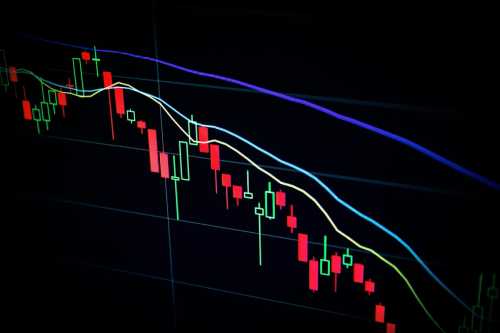
The Macroeconomic Inflection Point: Navigating Sovereign Debt, Labor Recalibration, and Trade Fragmentation
Aug 22, 2026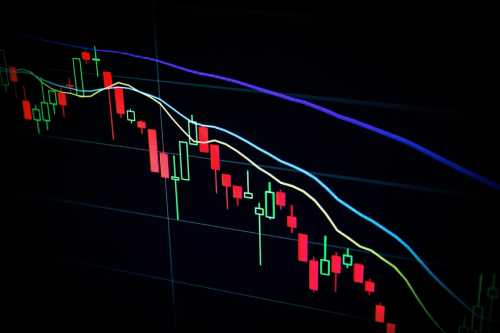
The Macroeconomic Reckoning: Navigating the Convergence of Debt, Trade, and Technological Shifts
Aug 22, 2026
Comments (0)
No comments yet. Be the first to share your thoughts!
Want to join the discussion?
Please log in to post a comment.
Login NoworCreate an Account