
Pakistan's New 2026-33 Mobile Policy to Ban Used Phone Imports and Boost Local Manufacturing

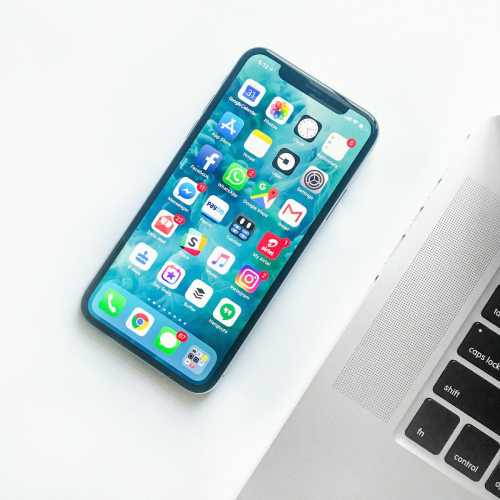
Imagine you and your friends love collecting toy cars. For a long time, the only way to get new toy cars was to buy the old, used ones from kids in other neighborhoods. These used toys were sometimes broken, had missing wheels, or just did not work very well. One day, your parents sit you down and say, "No more buying used toy cars from outside. From now on, we are going to build a factory right here in our house to make brand new, shiny toy cars for you and all your friends." This is exactly what the government of Pakistan has decided to do with mobile phones. The government has introduced a brand new policy for the years 2026 to 2033, and the biggest rule is that they will completely ban the import of used, second-hand mobile phones into the country. Instead, they want to focus entirely on manufacturing brand new phones right inside Pakistan. This is a massive change, and we are going to explore why they are doing this, how it will work, and what it means for the future of technology in the country.
Why Ban Used Phones? The Problem with Second-Hand Devices
To understand why this new policy is so important, we first need to look at the problems caused by importing used phones. For many years, Pakistan has been one of the largest importers of second-hand mobile phones in the world. Millions of old phones from the US, Europe, and the Middle East would arrive in Pakistani markets every year. While these phones were cheap and allowed many people to afford a smartphone, they came with a lot of hidden problems. First, these phones were often old and slow. Their batteries would die quickly, and their screens would be scratched or cracked. Because they were so old, they could not run the latest apps or connect to the newest, fastest mobile networks like 4G or 5G. This meant that even though people had phones, they were not getting a good experience.
Second, and perhaps more importantly, these used phones were a nightmare for security. Many of these old devices had outdated software that could not be updated, making them very easy for hackers to break into. When people use these phones for mobile banking or sending important messages, their money and personal information could be stolen. Furthermore, the market for used phones was completely unregulated. It was very difficult for the government to know who was selling these phones, where they came from, and whether taxes were being paid on them. This created a massive "grey market" where billions of rupees were being traded without the government knowing, which meant the country was losing out on a lot of tax money that could be used to build schools and hospitals. By banning these used phones, the government is trying to clean up the market and protect its citizens from security risks.
The Vision: Making "Made in Pakistan" Phones
So, if we are not buying used phones from outside, how will people get their phones? This is where the exciting part of the policy comes in. The government wants to turn Pakistan into a hub for mobile phone manufacturing. They are inviting big, global phone brands—like Samsung, Xiaomi, Vivo, and even Apple—to come and set up their factories in Pakistan. The government is offering them special incentives, which are like rewards, for doing this. These rewards include lower taxes, cheaper land to build their factories, and easier rules for importing the raw materials needed to make the phones. The goal is that instead of importing a fully built phone from China or Korea, the companies will import the small parts—like the screen, the battery, and the microchips—and then assemble and manufacture the phone right here in Pakistan.
This strategy has several huge benefits. First, it creates thousands of new jobs. Building a factory requires engineers, managers, and construction workers. Running the factory requires technicians, assembly line workers, quality control inspectors, and packaging staff. Then, you need people to market the phones, sell them in shops, and repair them if they break. All of these are new jobs for Pakistani citizens. Second, it saves foreign exchange. When Pakistan imports a fully built phone, it has to pay for it in US dollars. This drains the country's dollar reserves. But if the phone is made in Pakistan, the value is added locally, and we do not have to spend as many dollars on imports. This helps strengthen the Pakistani Rupee and makes the overall economy much healthier.
Pakistan's mobile industry set for a major reset! The government's new 2026–33 policy aims to ban used phone imports, boost local manufacturing, attract global brands, and turn Pakistan into a regional export hub.
— TechJuice (@techjuicepk) June 5, 2026
Environmental Benefits and E-Waste Reduction
Another very important aspect of this new policy is its positive impact on the environment. When we import millions of used phones, we are essentially importing electronic waste, or "e-waste." These old phones contain toxic materials like lead, mercury, and cadmium. When these phones eventually break and are thrown away, they often end up in regular garbage dumps. The toxic chemicals from the batteries and circuit boards leak into the soil and the water, which is very dangerous for the environment and for human health. By stopping the import of used phones, Pakistan will drastically reduce the amount of e-waste entering the country. Furthermore, the new policy includes strict guidelines for the proper disposal and recycling of mobile phones. Companies that manufacture phones in Pakistan will be required to set up collection centers where people can return their old phones. These old phones will then be carefully dismantled, and the valuable materials like gold, silver, and copper will be recovered and reused. This creates a "circular economy" where nothing is wasted, and the environmental footprint of our technology is significantly reduced.
Turning Pakistan into an Export Hub
The government's vision does not stop at just making enough phones for the people of Pakistan. With a population of over 240 million people, Pakistan has a massive market, but the ultimate goal is to make Pakistan a regional export hub. The 2026-33 policy aims to make Pakistani-made phones so competitive in terms of price and quality that they can be exported to neighboring countries and even to the Middle East and Africa. If Pakistan can successfully export millions of phones every year, it will bring a massive amount of foreign dollars into the country. This is exactly what countries like Vietnam and India have done over the last decade. They started by making phones for their own people, and now they are some of the largest mobile phone exporters in the world. Pakistan wants to follow this exact same path to success.
In conclusion, the new 2026-33 mobile policy is a bold and transformative step for Pakistan. By banning the import of used phones, the government is tackling multiple problems at once: they are protecting consumers from outdated and insecure devices, they are creating thousands of high-quality manufacturing jobs, they are saving valuable foreign exchange, and they are protecting the environment from toxic e-waste. While the transition might be challenging at first, and the prices of brand new entry-level phones might be slightly higher than the old used ones, the long-term benefits for the country's economy and technological independence are immense. This policy is not just about mobile phones; it is about building a self-reliant, modern, and industrially strong Pakistan for the future. Explore the official IT and Telecommunication Policies.
Related Articles
The Policy Paradox: Navigating Industrial Subsidies, Carbon Border Adjustments, and Fiscal Constraints
Aug 22, 2026
The Redrawn Regulatory Seascape: Navigating the Convergence of Global Policy Faultlines
Aug 22, 2026
Comments (0)
No comments yet. Be the first to share your thoughts!
Want to join the discussion?
Please log in to post a comment.
Login NoworCreate an Account