
Pfizer and BioNTech Acquire Leading Biotech CDMO in $14B Pivot to Personalized mRNA Oncology Manufacturing

The Business of Bespoke Cancer Therapeutics
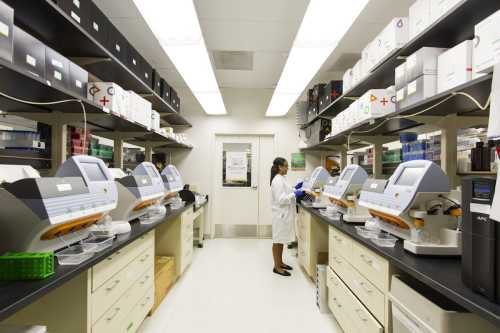
Pfizer and BioNTech have jointly announced the acquisition of Catalent’s premier biologics manufacturing division in a staggering $14 billion cash transaction, marking a definitive strategic pivot from infectious disease vaccines to the highly lucrative field of personalized mRNA oncology. As detailed by the Financial Times, the acquisition secures the critical Contract Development and Manufacturing Organization (CDMO) capacity required to produce individualized neoantigen therapies for cancer patients. Unlike traditional batch-manufactured drugs, personalized mRNA cancer vaccines require a completely bespoke supply chain: for every patient, a unique drug product must be designed, synthesized, tested, and shipped within a matter of weeks. The Catalent facilities, located in New Jersey, Germany, and Massachusetts, are among the few in the world equipped with the flexible, modular cleanrooms and rapid lipid nanoparticle (LNP) encapsulation lines necessary for this "vein-to-vein" manufacturing model.
The financial rationale for the acquisition is rooted in the massive commercial potential of the oncology market. The global cancer therapeutics market is valued at over $250 billion annually, and oncology drugs consistently command the highest price points and reimbursement rates in the pharmaceutical industry. Pfizer and BioNTech’s joint pipeline of mRNA neoantigen therapies has shown remarkable efficacy in Phase III trials for melanoma, pancreatic, and lung cancers. However, to bring these drugs to market at scale, they must solve the logistical nightmare of manufacturing millions of unique drug products simultaneously. By internalizing the CDMO capacity, the joint venture eliminates the bottleneck of third-party manufacturing slots, guarantees priority access to critical raw materials, and captures the high-margin manufacturing revenue that would otherwise go to external contractors.
Supply Chain Logistics and the Premium Pricing Model
The operational complexity of personalized mRNA oncology is unprecedented in the history of pharmaceuticals. The supply chain must integrate directly with hospital biopsy centers, genomic sequencing labs, and the manufacturing facilities in a continuous, real-time digital loop. When a patient undergoes tumor resection, the tissue is sequenced, and the AI-designed neoantigen sequence is instantly transmitted to the manufacturing site. The acquired Catalent facilities are already integrated with a proprietary "track-and-trace" blockchain system that monitors the cold-chain logistics of every individual vial, ensuring that the bespoke therapy is administered to the correct patient within the critical 72-hour viability window. This level of operational integration is a massive competitive moat that will be incredibly difficult for rival pharmaceutical companies to replicate.
Wall Street’s reaction to the deal was overwhelmingly positive, with Pfizer shares rising 6% as investors recognized the transformation of the company’s revenue profile. The shift from low-margin, high-volume vaccines to high-margin, bespoke oncology therapeutics will drastically improve the company's gross margins and long-term growth trajectory. Analysts at J.P. Morgan estimate that the personalized oncology franchise could generate over $15 billion in peak annual sales by 2032, justifying the $14 billion acquisition premium. Furthermore, the acquisition positions Pfizer and BioNTech as the undisputed leaders in the "factory-of-one" paradigm, a manufacturing revolution that will eventually extend beyond oncology to treat rare genetic diseases and autoimmune disorders, fundamentally rewriting the business model of the global pharmaceutical industry.


Comments (0)
No comments yet. Be the first to share your thoughts!
Want to join the discussion?
Please log in to post a comment.
Login NoworCreate an Account