
Scientists Crack Nature's 'Mix and Match' Code to Engineer Next-Generation Cancer Drugs

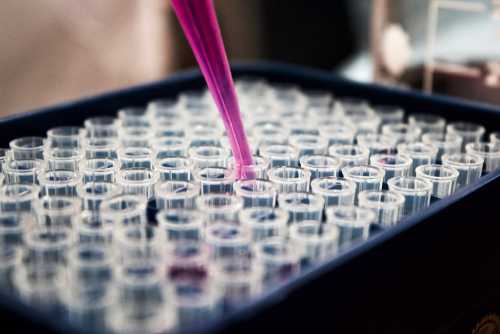
COVENTRY/LONDON — In a seminal advancement reported on Wednesday, July 9, 2026, scientists from the University of Warwick and Monash University have deciphered the enigmaticmechanism by which bacteria naturally synthesize multiple variants of potent anti-cancer drugs. www.sciencedaily.com
This breakthrough, published in the prestigious journal Nature Communications, reveals how bacterial enzymes communicate to assemble a family of closely related compounds, including Romidepsin (Istodax), an FDA-approved treatment for certain blood cancers, as detailed in the University of Warwick press release. www.sciencedaily.com
Cracking Nature's Biosynthetic Code
For decades, researchers have known that bacteria can naturally produce multiple versions of powerful anti-cancer drugs, yet the underlyingmethodology remained obscure. www.sciencedaily.com First author Dr. Munro Passmore, a Research Fellow in the Department of Chemistry at the University of Warwick, explained that the system is "elegantly economical," utilizing small molecular regions known as 'docking domains' that serve as connectors between the core drug-building machinery and the enzymes responsible for adding different components. www.sciencedaily.com
These docking domains share a conserved connection point that allows them to interact with multiple enzyme partners, effectively creating a "mix and match" system for drug manufacture. www.sciencedaily.com
"We've identified how the different enzymes communicate and cooperate to produce these drug variants, something that has eluded researchers because the system is so elegantly economical. It's the breakthrough we needed to actually engineer these drugs ourselves." — Dr. Munro Passmore, University of Warwick www.sciencedaily.com
A Blueprint for Future Therapeutics
The implications of this discovery are profound for the field of oncology. The research focuses on a class of anti-cancer medicines known as HDAC inhibitors, which block histone deacetylases—enzymes that help regulate which genes are switched on or off inside cells. www.sciencedaily.com By reverse-engineering nature's evolutionary logic, scientists can now design synthetic pathways that generate new anti-cancer drug candidates with properties optimized for clinical use, such as superior potency, improved selectivity, and fewer side effects. www.sciencedaily.com
Professor Greg Challis, Monash Warwick Alliance Professor of Sustainable Chemistry, emphasized that the immediate goal is to build an expanded library of candidates for various cancers where new treatments are urgently needed. www.sciencedaily.com "This discovery is moving us from understanding how the systems work to building new ones," Challis stated. www.sciencedaily.com
Official Researcher Update:
Analysis: This pivotal study not only resolves a decades-old biochemical mystery but also provides a tangible blueprint for accelerating the development of next-generation cancer therapies, potentially transforming the treatment landscape for patients with difficult-to-treat malignancies.
Related Articles
The Biopharma Bottleneck: How Supply Chains and Regulatory Reality Are Restraining Medical Innovation
Aug 22, 2026
The Structural Faultlines of Modern Medicine: Navigating the Convergence of Capital, Compute, and Geopolitics
Aug 22, 2026
Comments (0)
No comments yet. Be the first to share your thoughts!
Want to join the discussion?
Please log in to post a comment.
Login NoworCreate an Account