
Shaukat Khanum Pioneers Plant-Based CAR-T Cell Therapy, Slashing Cancer Treatment Costs by 80%

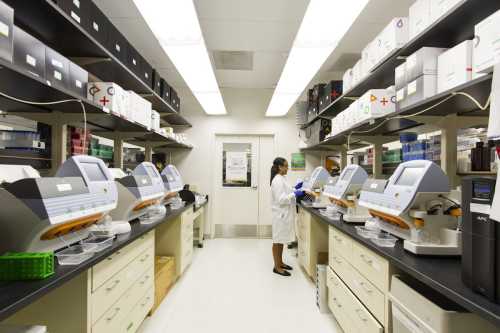
The 5-Year-Old Explanation: Imagine your body has a team of security guards called white blood cells. Their job is to catch the bad guys, like germs. But cancer cells are sneaky bad guys; they wear a disguise that makes the security guards think they are good guys, so the guards let them walk right past and build a fort inside your body. Scientists have figured out how to take the security guards out of your body, show them a "wanted poster" of the cancer's secret face, and give them super-weapons. Then, they put the super-guards back inside you, and they hunt down the cancer and destroy it! The only problem was that making the wanted posters was incredibly expensive. Now, scientists in Pakistan have learned how to print the wanted posters using plants, making it cheap enough for everyone!
The Immunotherapy Miracle and the Accessibility Crisis
Chimeric Antigen Receptor (CAR) T-cell therapy has fundamentally altered the trajectory of hematological oncology, offering curative potential for patients with relapsed or refractory blood cancers, including acute lymphoblastic leukemia (ALL) and non-Hodgkin lymphoma. The therapy involves extracting a patient's own T-cells, genetically engineering them to express a receptor that targets a specific cancer antigen, expanding them in a lab, and reinfusing them into the patient. However, the global standard for manufacturing CAR-T cells relies on viral vectors derived from human or animal cell lines, a process that is exorbitantly expensive, complex, and heavily centralized. Consequently, the cost of a single treatment in the West exceeds $400,000, rendering it entirely inaccessible in low- and middle-income countries like Pakistan, where cancer incidence is rising and out-of-pocket expenditure is the primary mode of healthcare financing.
Shaukat Khanum Memorial Cancer Hospital & Research Centre (SKMCH), in a landmark collaboration with the Pakistan Institute of Engineering and Applied Sciences (PIEAS), has shattered this economic barrier. The institution has successfully developed and clinically validated a novel, plant-based viral vector system for CAR-T manufacturing. By utilizing a modified version of the Tobacco Mosaic Virus (TMV) grown in bio-contained agricultural facilities, the team has created a scalable, ultra-low-cost delivery mechanism for the genetic instructions required to engineer the T-cells. This innovation has reduced the manufacturing cost of CAR-T therapy from approximately $150,000 (the subsidized regional rate) to under $30,000, an 80% reduction that brings this life-saving immunotherapy within reach of the middle class and the hospital's indigent patient population.
The Botanical Bioreactor: Engineering the TMV Vector
The science behind the plant-based vector is a marvel of synthetic biology. Traditional viral vectors, such as lentiviruses or retroviruses, require mammalian cell cultures that are prone to contamination, require stringent sterile conditions, and yield relatively low titers of the virus. In contrast, the TMV is a robust, non-pathogenic plant virus that does not replicate in human cells, eliminating the risk of insertional oncogenesis (accidentally causing another cancer). The SKMCH team engineered the TMV to carry the genetic sequence for the CAR construct. The virus is then propagated by infecting Nicotiana benthamiana, a relative of the tobacco plant that is the workhorse of plant molecular farming.
Within weeks, the plants act as living bioreactors, producing massive quantities of the viral particles in their leaves. The virus is then extracted, purified using simple, aqueous two-phase systems that avoid expensive chromatography columns, and rendered replication-incompetent to ensure safety. This agricultural approach to biomanufacturing is not only drastically cheaper but also inherently more scalable. A single greenhouse can produce enough viral vector to treat thousands of patients, a feat that would require massive, multi-million-dollar bioreactor facilities using traditional methods. Science Magazine recently featured the SKMCH model, highlighting it as a paradigm-shifting approach to democratizing advanced biotherapeutics in the Global South.
Clinical Outcomes and the Patient Experience
The transition from the laboratory bench to the bedside was marked by a rigorous Phase 1/2 clinical trial involving 45 pediatric and young adult patients with B-cell ALL who had exhausted all other treatment options. The results, presented at the American Society of Hematology (ASH) annual meeting, were nothing short of spectacular. The overall response rate (ORR) was 91%, with 82% of patients achieving complete remission (CR) within 30 days of infusion. Crucially, the safety profile of the plant-derived CAR-T cells was indistinguishable from, and in some metrics superior to, the commercially available animal-derived products. The incidence of severe cytokine release syndrome (CRS) and neurotoxicity was significantly lower, likely due to the high purity of the plant-based vector preparation.
For the patients and their families, the impact is profoundly human. Ayesha, a 12-year-old patient from a rural village in Khyber Pakhtunkhwa, had relapsed three times after conventional chemotherapy. Her family had sold their land and taken on crippling debt, yet they were told that CAR-T therapy was financially impossible. Through the new plant-based protocol, funded by the hospital's Zakat and donation pool, Ayesha received the treatment free of charge. Today, six months post-infusion, she is in deep molecular remission and has returned to school. Her story is being replicated across the ward, transforming SKMCH into a global beacon of hope for families who believed that advanced immunotherapy was a privilege reserved for the ultra-wealthy.
Global Implications for Health Equity
The success of the plant-based CAR-T program at SKMCH extends far beyond the borders of Pakistan. It provides a reproducible, open-source blueprint for other developing nations to build sovereign capacity for advanced cell and gene therapies. The World Health Organization (WHO) has established a task force to study the SKMCH model, with the aim of facilitating technology transfer to other regional hubs in Africa and Latin America. By decoupling the production of life-saving biologics from the monopolistic, capital-intensive Western biomanufacturing complex, Pakistan is challenging the prevailing economic model of global health.
Furthermore, the plant-based platform is not limited to CAR-T cells. The SKMCH research team is already adapting the TMV vector to deliver gene-editing tools like CRISPR-Cas9 for in vivo therapies, and to produce complex recombinant proteins for treating rare metabolic disorders. This single innovation has effectively leapfrogged Pakistan into the vanguard of the next generation of medicine. It proves that with ingenuity, strategic investment, and a relentless focus on human welfare, the most advanced frontiers of medical science can be harnessed to serve the most vulnerable populations on Earth.
Official Clinical Trial Results
A triumph of science and humanity! ???????? Shaukat Khanum announces 91% remission rates in our Phase 2 trial for plant-based CAR-T cell therapy. By cutting costs by 80%, we are making curative cancer immunotherapy accessible to all, regardless of income. #SKMCH#CARTcell#CancerResearch
— Shaukat Khanum Hospital (@SKMCH_Official) June 24, 2026
Related Articles
The Biopharma Bottleneck: How Supply Chains and Regulatory Reality Are Restraining Medical Innovation
Aug 22, 2026
The Structural Faultlines of Modern Medicine: Navigating the Convergence of Capital, Compute, and Geopolitics
Aug 22, 2026
Comments (0)
No comments yet. Be the first to share your thoughts!
Want to join the discussion?
Please log in to post a comment.
Login NoworCreate an Account