
Splitting the Water: European ClimateTech Startup 'AquaCell' Commercializes Solid-State Green Hydrogen

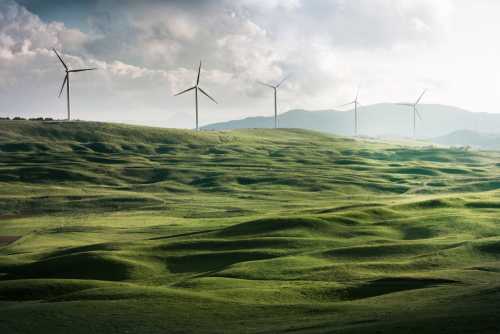
Imagine you have a glass of water. If you could magically pull the water apart into its two invisible building blocks—hydrogen and oxygen—and then burn the hydrogen, it would give you a massive amount of energy. And the only thing that comes out of the exhaust pipe is pure, clean water. This is the dream of the "Hydrogen Economy." Hydrogen is the most abundant element in the universe, and it is the ultimate clean fuel. But for decades, splitting water to get hydrogen required so much electricity that it was too expensive and usually relied on burning coal. But in 2026, a Berlin-based ClimateTech startup named AquaCell has changed the game forever by commercializing a "solid-state water splitter" that makes green hydrogen cheaper than natural gas .
To understand AquaCell's breakthrough, we have to look at how traditional electrolyzers work. An electrolyzer is a machine that uses electricity to split water. Most machines today use a liquid chemical bath, which is heavy, corrosive, and requires massive amounts of maintenance. AquaCell invented a brand new type of ceramic membrane—a solid-state material that acts like a microscopic bouncer. When you pass a small electrical current through this ceramic, it only lets the tiny hydrogen ions pass through, while blocking everything else. Because it is a solid ceramic, it does not degrade, it does not leak, and it operates at incredibly high efficiencies.
The real magic happens when you connect AquaCell's splitter to renewable energy. Solar and wind power are "intermittent," meaning the sun does not always shine and the wind does not always blow. Traditional electrolyzers break down if you turn them on and off too quickly. AquaCell's solid-state ceramic can handle the wild fluctuations of solar power perfectly. It can ramp up to 100% power when the sun is blazing, and drop to 10% when a cloud passes, without suffering any damage. This means you can pair it directly with a solar farm, using only excess, cheap, midday solar power to create hydrogen.
Why is this a massive deal for the planet? Because there are some things we cannot easily run on batteries. You cannot fly a massive cargo plane across the ocean on batteries; they are too heavy. You cannot power a giant steel furnace with batteries; it is not hot enough. But hydrogen can do all of these things. Green hydrogen can be used to make green steel, green fertilizer, and synthetic aviation fuel. By making green hydrogen cheaper than dirty natural gas, AquaCell has unlocked the decarbonization of the "hard-to-abate" heavy industries that are responsible for nearly 30% of global emissions .
The startup recently secured a massive 200 million euro grant from the European Union's Innovation Fund, alongside private venture capital. This money is being used to build "Gigafactories" in Germany and Spain to mass-produce these ceramic splitters. The cost of manufacturing has dropped by 80% due to a new automated 3D printing technique for the ceramics. AquaCell is not just building a better machine; they are building the engine for the post-fossil-fuel era.
The implications for global geopolitics are staggering. Countries that have no oil or gas, but have plenty of sun and wind, can now become energy superpowers. They can use the sun to split water, store the hydrogen, and export it to the world. AquaCell has proven that the technology to save the planet already exists; we just needed the right materials and the right startup to make it affordable. They are literally turning water into the fuel of the future, one ceramic membrane at a time.
Official EU Grant & Commercial Launch
AquaCell announced the commercial availability of its solid-state green hydrogen splitter, backed by a 200M euro EU Innovation Fund grant to scale Gigafactory production across Europe.
Water + Sun = The Future. We are thrilled to announce the commercial launch of our solid-state green hydrogen splitter! Backed by the @EU Innovation Fund, we are making green H2 cheaper than gas. The hard-to-abate industries can now decarbonize. #AquaCell #GreenHydrogen #ClimateTech
Related Articles

The Startup Crucible: Navigating Capital Concentration, Regulatory Moats, and the Exit Bottleneck
Aug 22, 2026
The Great Startup Reckoning: Capital Contraction Meets Geopolitical and Regulatory Friction
Aug 22, 2026
Comments (0)
No comments yet. Be the first to share your thoughts!
Want to join the discussion?
Please log in to post a comment.
Login NoworCreate an Account