
State Bank of Pakistan Holds Interest Rate Steady at 11.5% Amid Inflation Battle

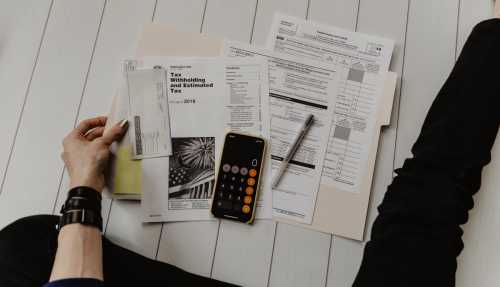
Imagine you have a very special piggy bank at home. Every time you put your allowance money into this piggy bank, the bank promises to give you a few extra coins as a reward for keeping your money safe with them. But, if you want to borrow money from the bank to buy a big toy, you have to pay them back extra coins as a fee. The "policy rate" is like the main rulebook that decides exactly how many extra coins you get or how many extra coins you have to pay. On June 15, 2026, the State Bank of Pakistan (SBP), which is like the boss of all banks in the country, looked at this rulebook and decided not to change the numbers. They kept the policy rate exactly where it was, at 11.5 percent. This might sound like just a bunch of numbers to adults, but it is actually one of the most important decisions they make for the entire country.
Understanding the Big Picture: Why Keep it the Same?
To understand why the State Bank made this choice, we first need to talk about something called "inflation." Imagine you go to the store to buy your favorite chocolate bar. Last year, it cost 100 rupees. This year, the exact same chocolate bar costs 120 rupees. Nothing changed about the chocolate, but the money you use to buy it has lost a little bit of its power. This is what we call inflation. When prices go up too fast, it becomes very hard for regular families to buy the things they need, like food, medicine, and clothes. The State Bank's main job is to make sure the prices of things do not go up too fast. They do this by changing the policy rate. When they keep the rate high, like 11.5 percent, it makes borrowing money expensive. When borrowing is expensive, people and businesses spend less money. When people spend less money, the shops have to lower their prices or stop raising them. This helps bring inflation down.
The Monetary Policy Committee (MPC) of the State Bank met to discuss the current situation in the country. They looked at all the latest numbers about how much things cost, how much the country is earning from selling things to other nations, and how much money the government has. They saw that while inflation has come down from its highest points, it is still a little bit higher than what they want it to be. If they lower the interest rate right now, people might start borrowing and spending too much money again, which would make prices go right back up. So, they decided the safest and smartest thing to do is to wait and keep the rate at 11.5 percent. This gives the economy time to cool down properly and lets the lower prices become a normal part of everyday life.
What Does This Mean for Your Family?
Now, let us talk about what this decision means for regular people, just like you and your family. If your parents are thinking about buying a new house or a new car, they usually have to borrow money from the bank to pay for it. Because the policy rate is staying high at 11.5 percent, the bank will still charge a high fee for lending that money. This means the monthly payments for a house or a car will remain quite high. It might be a good idea for families to wait a little while before taking out a big loan, or to save up more money first so they do not have to borrow as much. On the bright side, if your parents have money saved in a bank account or in special savings certificates, they will continue to earn a good amount of profit on that money. The high interest rate is actually a reward for saving money instead of spending it.
For small business owners, this decision is a bit of a mixed bag. If a shop owner wants to expand their shop or buy new equipment, borrowing money from the bank will still be expensive. This might make them think twice about growing their business right now. However, because the State Bank is keeping the rate steady, it also means that the economy is becoming more stable. When the economy is stable, it is easier for businesses to plan for the future without worrying that prices will suddenly change overnight. Stability is very important for businesses to feel confident about hiring new workers and buying new stock for their shops.
The Global Context and Pakistan's Economic Journey
Pakistan does not exist in a bubble; what happens in the rest of the world also affects our economy. Right now, the whole world is dealing with the aftermath of big global events that have made the prices of oil and food go up and down. When the price of oil goes up in the international market, it becomes more expensive for Pakistan to bring oil into the country. Since we use oil to run our cars, our factories, and to generate electricity, high oil prices make everything else more expensive in Pakistan too. The State Bank has to keep a very close eye on these global oil prices. If they think oil prices might go up again, they will keep the interest rate high to protect the country from sudden price jumps.
Furthermore, Pakistan is currently working closely with the International Monetary Fund (IMF), which is like a global financial doctor that helps countries get their money problems in order. The IMF has set certain targets for Pakistan to meet, including keeping inflation under control and making sure the country has enough foreign money (dollars) to pay for the things it imports. By keeping the policy rate at 11.5 percent, the State Bank is showing the IMF and the rest of the world that they are serious about following the rules and fixing the economy. This helps build trust, which is very important for getting foreign investment. When foreign companies trust that a country's economy is being managed well, they are more likely to bring their money and build factories or start businesses there, which creates jobs for everyone.
The Monetary Policy Committee (MPC) of the State Bank of Pakistan (SBP) has decided to keep the policy rate unchanged at 11.5% in its meeting held on June 15, 2026.
— State Bank of Pakistan (@StateBankPk) June 15, 2026
Looking Ahead: What is the Future Outlook?
So, what happens next? Will the interest rate stay at 11.5 percent forever? Probably not. The State Bank looks at the data every single month. If they see that inflation has successfully come down to their target level, which is usually around 5 to 7 percent, they might decide to lower the policy rate. Lowering the rate would make borrowing cheaper, which would encourage businesses to grow and people to buy houses and cars. This would help the economy grow faster. But until they are 100 percent sure that inflation is under control and will not come back, they will likely keep the rate steady. This cautious approach is like driving a car carefully on a slippery road; you do not want to go too fast until you are sure the road is completely dry and safe.
In conclusion, the State Bank of Pakistan's decision to keep the policy rate unchanged at 11.5 percent is a very careful and responsible choice. It is designed to protect the value of your family's money, keep the prices of everyday items from rising too fast, and show the world that Pakistan's economy is on the right track. While it might mean that loans are still expensive for a little while longer, it is a necessary step to ensure that the country's economic garden grows strong, healthy, and stable for the future. By understanding these big financial decisions, we can all make smarter choices with our own money, whether it is saving in our piggy banks or planning for big purchases down the road. The journey to complete economic stability takes time, patience, and smart rules, and the State Bank is working hard to make sure Pakistan reaches that destination safely.
For more detailed updates and official press releases regarding the monetary policy, you can visit the official website of the State Bank of Pakistan. They provide comprehensive reports that explain all the economic indicators and the reasoning behind every single decision they make. Staying informed is the best way to understand how these massive policy shifts impact your daily life and the broader national landscape. Read the official SBP press release here.
Related Articles
The Policy Paradox: Navigating Industrial Subsidies, Carbon Border Adjustments, and Fiscal Constraints
Aug 22, 2026
The Redrawn Regulatory Seascape: Navigating the Convergence of Global Policy Faultlines
Aug 22, 2026
Comments (0)
No comments yet. Be the first to share your thoughts!
Want to join the discussion?
Please log in to post a comment.
Login NoworCreate an Account