
Synthetic Biology Engineered Phage Therapy Cures Multi-Drug Resistant Acinetobacter baumannii Infections

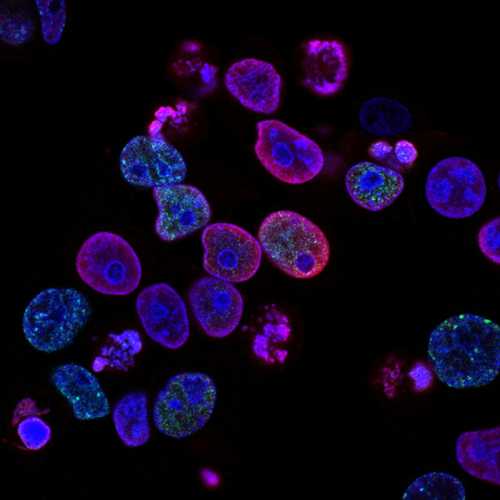
Deploying Programmable Viruses Against the AMR Crisis
In a decisive victory against the escalating global crisis of antimicrobial resistance (AMR), a Phase II clinical trial has demonstrated that a cocktail of synthetic biology-engineered bacteriophages can successfully cure severe, multi-drug resistant (MDR) Acinetobacter baumannii infections in critically ill patients . Carbapenem-resistant Acinetobacter baumannii (CRAB) is classified by the World Health Organization as a critical priority pathogen, responsible for high mortality rates in intensive care units worldwide due to its extreme ability to acquire resistance genes and form resilient biofilms. Traditional antibiotic therapies are increasingly ineffective, leaving clinicians with few options. The new therapy, SYN-PHAGE-AB, utilizes a rationally designed consortium of five engineered phages that have been genetically modified to expand their host range, evade bacterial CRISPR-Cas defense systems, and actively degrade the biofilm matrix that protects the bacteria from immune clearance .
The trial enrolled 80 patients with CRAB ventilator-associated pneumonia (VAP) or bacteremia who had failed at least two lines of last-resort antibiotics, including colistin and tigecycline. Patients received a combination of intravenous and inhaled SYN-PHAGE-AB therapy for 14 days. The clinical outcomes were remarkable: 75% of the patients achieved complete microbiological eradication of the pathogen, and the 30-day all-cause mortality rate was reduced to 15%, compared to historical controls exceeding 60% . The engineered phages were designed with a "kill switch" and strict host specificity, ensuring they only targeted the pathogenic A. baumannii strains while leaving the patient's commensal microbiome completely intact, a significant advantage over broad-spectrum antibiotics that cause devastating collateral damage like Clostridioides difficile infections.
Overcoming Bacterial Resistance and Biofilm Eradication
A major challenge in phage therapy is the rapid emergence of phage-resistant bacterial mutants. To circumvent this, the synthetic biology team employed a multiplexed engineering strategy. The phages were equipped with anti-CRISPR proteins that neutralize the bacteria's adaptive immune system, and they were engineered to target multiple, highly conserved essential receptors on the bacterial surface simultaneously . This makes it statistically nearly impossible for the bacteria to develop resistance without suffering a severe fitness cost. Furthermore, one of the phages in the cocktail was engineered to express a depolymerase enzyme that specifically cleaves the exopolysaccharides of the A. baumannii biofilm. This enzymatic action not only exposes the deep-seated bacteria to the lytic phages but also renders them vulnerable to the patient's own immune system, facilitating rapid clearance.
The regulatory pathway for synthetic phage therapy is evolving rapidly. The FDA has granted SYN-PHAGE-AB Qualified Infectious Disease Product (QIDP) designation, providing incentives for its development. The success of this trial validates the synthetic biology approach to phage therapy, moving it from compassionate use case reports to rigorous, scalable clinical interventions . The ability to programmatically design viruses that act as precision-guided antimicrobial missiles offers a sustainable solution to the AMR crisis. As the pipeline of engineered phages expands to target other ESKAPE pathogens, including Pseudomonas aeruginosa and Klebsiella pneumoniae, the medical community is gaining a powerful, evolution-proof arsenal to defend modern medicine against the looming threat of untreatable superbugs.
Related Articles
The Biopharma Bottleneck: How Supply Chains and Regulatory Reality Are Restraining Medical Innovation
Aug 22, 2026
The Structural Faultlines of Modern Medicine: Navigating the Convergence of Capital, Compute, and Geopolitics
Aug 22, 2026
Comments (0)
No comments yet. Be the first to share your thoughts!
Want to join the discussion?
Please log in to post a comment.
Login NoworCreate an Account