
The Alzheimer's Breakthrough: How a Simple Finger-Prick Blood Test is Predicting Memory Loss Decades Early

Imagine your brain is a giant, beautiful library filled with all your favorite memories, the faces of your loved ones, and everything you have ever learned. Alzheimer's disease is like a sneaky thief that breaks into the library at night and starts stealing the books, one by one. First, you forget where you put your keys. Then, you forget the name of your favorite teacher. Eventually, the thief steals so much that the library is empty. For decades, doctors could not stop the thief because they did not know the thief was in the building until almost all the books were gone. But in 2026, scientists have invented a magical security camera that can catch the thief's footprints long before they break in!
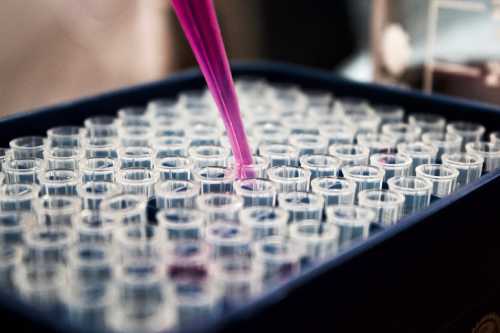
This magical security camera is actually a simple, tiny blood test. For years, diagnosing Alzheimer's required expensive, painful, and complicated brain scans or spinal taps. It was so difficult that many people only got diagnosed when the disease was already very advanced. But researchers from the NIH, Johns Hopkins, and global institutions have perfected a blood test that looks for specific biomarkers, like a protein called p-tau217 www.nature.com . When the Alzheimer's thief starts messing with the brain, it leaves these tiny protein footprints in the blood. The test can spot these footprints with incredible accuracy.
The most amazing part of this breakthrough is the time machine aspect. This blood test can detect the biological changes of Alzheimer's up to 20 years before the person ever shows any symptoms of memory loss www.facebook.com . Think about that! If you are 40 years old and feel perfectly fine, this test could tell doctors if the thief is already hiding in your library. This shifts the entire paradigm of Alzheimer's research from trying to fix the damage to preventing the damage from ever happening. It is like finding out you have a leak in your roof before a single drop of water ruins your floor.
In a massive milestone for global health, the FDA has officially cleared the first Alzheimer's blood test for use in primary care community settings www.2minutemedicine.com . This means you do not need to go to a fancy, specialized research hospital to get tested. You can just visit your regular family doctor, get a simple finger prick or a small vial of blood drawn, and get answers. This democratization of testing is going to save millions of lives and countless dollars in healthcare costs by catching the disease in its earliest, most treatable stages.
Why is catching it early so important? Because in 2026, we finally have drugs that can actually slow down the Alzheimer's thief! Medications like lecanemab and donanemab work by cleaning up the sticky plaque the thief leaves behind. But these drugs only work if you give them early, before the brain cells are completely destroyed. The blood test is the key that unlocks the door to these life-changing treatments. Without the blood test, the drugs are useless because the patients get them too late. Together, the test and the drugs are a dynamic duo fighting the disease.
However, with great power comes great responsibility, and the medical community is having a very serious debate about this test www.science.org . Because the test is so good at finding early signs, it might detect the thief in people who are completely healthy and would never actually develop severe dementia in their lifetime. This could cause immense anxiety and stress for patients who see a positive result but feel perfectly fine. Researchers are working hard to create strict guidelines to ensure the test is used wisely, only for people who truly need it and are ready for the information.
Another big question is the cost. While a blood test is much cheaper than a brain scan, it still costs money, and insurance coverage varies wildly depending on where you live www.mayoclinic.org . Health economists and policymakers are racing to ensure that this life-saving test is covered by all major insurance plans and government health programs. They do not want a situation where only rich people can afford to know if the thief is in their library. The goal is universal access, ensuring that every grandparent, parent, and child has the right to protect their memories.
The impact on clinical trials is also revolutionary. In the past, testing an Alzheimer's drug required waiting years to see if a patient's memory got worse. Now, researchers can use the blood test to quickly find thousands of people who have the early footprints of the disease and enroll them in trials. This speeds up the development of new drugs by years, if not decades. The blood test is acting as a massive accelerator for the entire field of neuroscience, attracting billions of dollars in new funding and research.
For families with a history of Alzheimer's, this test is an emotional rollercoaster. Knowing your risk can be terrifying, but it is also incredibly empowering. It allows families to make plans, adjust their lifestyles to protect their brain health, and participate in clinical trials to help find a cure. Many people say that knowing is better than not knowing, because it gives them the power to fight back. Support groups and genetic counselors are working overtime to help people navigate these complex, deeply personal decisions.
While we wait for better drugs, the blood test is also driving a massive movement in preventive health. Researchers are studying how diet, exercise, sleep, and mental stimulation can strengthen the library and keep the thief out. People who get a positive blood test are now working with nutritionists and fitness coaches to build the strongest possible brain defenses. It is sparking a global wellness revolution focused specifically on cognitive longevity and brain health.
As we move through 2026, the Alzheimer's blood test is becoming as routine as checking your cholesterol. It is a shining example of how medical research can take a terrifying, unstoppable disease and turn it into a manageable, preventable condition. The thief is still out there, but for the first time in human history, we have the tools to see them coming, lock the doors, and protect our most precious treasure: our memories. The library will remain full, bright, and beautiful for generations to come.
Official Social Media Update:
A new blood test could soon help identify people at risk for Alzheimer's and other dementias decades before symptoms appear. ???????? This FDA-cleared p-tau217 test is revolutionizing early detection and treatment. Learn how it works. #Alzheimers #MedicalBreakthrough
— ABC News Live (@ABCNewsLive) May 1, 2026
Related Articles
The Biopharma Bottleneck: How Supply Chains and Regulatory Reality Are Restraining Medical Innovation
Aug 22, 2026
The Structural Faultlines of Modern Medicine: Navigating the Convergence of Capital, Compute, and Geopolitics
Aug 22, 2026
Comments (0)
No comments yet. Be the first to share your thoughts!
Want to join the discussion?
Please log in to post a comment.
Login NoworCreate an Account