
The Factory Upgrades Its Robots: China's Tech and Economic Rebound in 2026 Leaves Global Malaise Behind

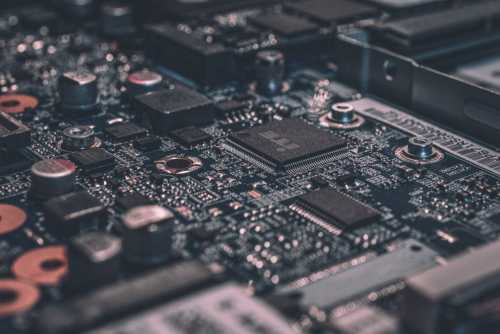
Imagine a gigantic factory that makes almost everything in the world, from the shoes on your feet to the phone in your hand. A few years ago, this factory had some problems. The machines were breaking down, the workers were tired, and the managers were arguing, so the factory slowed down. People all over the world started worrying that the factory was broken forever. But now, in 2026, something amazing has happened. The managers have fired the old, slow machines and installed the smartest, fastest, most advanced robots anyone has ever seen. The factory is not just running again; it is running faster and smarter than ever before, and it is leaving the rest of the world's economic sadness far behind.
China's economy in 2026 is experiencing a powerful rebound, driven almost entirely by a massive surge in high-tech manufacturing and foreign trade. While the traditional sectors like real estate and basic construction are still slowly recovering from their past debts, the 'new economy' is exploding. The Chinese government, through its newly kicked-off 15th five-year development plan, has made a decisive choice: they are going all-in on technology. They are rolling out massive computing power infrastructure specifically designed to support homegrown Artificial Intelligence companies. They are subsidizing the production of advanced electric vehicles, quantum computers, and industrial robotics. The result is a booming tech sector that is attracting billions in investment and driving the stock market to new highs.
The most fascinating part of this story is the shift in how the government treats its tech giants. For a few years, Beijing was very strict, cracking down on big tech companies to regulate them and protect consumer data. This scared investors and slowed down innovation. But in 2026, the message has completely changed. The government now realizes that to compete with the United States in the global tech race, it needs its companies to be strong, innovative, and globally dominant. They are now actively supporting tech firms, helping them expand into global markets, and providing them with the resources they need to win the 'battle for key core technologies,' as stated in the latest economic plans. This pro-tech stance has unleashed a wave of optimism and creativity in Shenzhen, Beijing, and Shanghai.
The impact of this tech boom is visible on the streets and in the ports. China is now the undisputed global leader in green technology. They are producing the vast majority of the world's solar panels, wind turbines, and electric vehicle batteries. Because they have achieved massive economies of scale, the cost of these green technologies has plummeted, making it cheaper for the entire world to transition away from fossil fuels. Furthermore, their advanced manufacturing sector is exporting high-value goods—like smart home appliances and precision medical equipment—rather than just cheap plastic toys. This shift up the value chain means that Chinese workers are earning higher wages, which in turn boosts domestic consumption and creates a more sustainable, internally driven economy.
Global business leaders and economists are closely analyzing this shift, recognizing that China's tech dominance will reshape global supply chains. Here is the perspective from leading financial media on this historic rebound:
Posted by CNBC on Tuesday, March 24, 2026
Of course, challenges remain. The geopolitical tensions with the West over semiconductor exports and the aging population are significant headwinds. But the sheer momentum of China's technological advancement is undeniable. They are no longer just the 'world's factory' assembling other people's designs; they are the world's laboratory, inventing the technologies of tomorrow. For global businesses, this means that partnering with Chinese tech firms is no longer optional; it is essential for survival. The factory has upgraded its robots, and the products it is churning out are redefining what is possible in the 21st century. To follow the latest developments in China's economic and tech landscape, you can visit the official briefing portal at china-briefing.com.


Comments (0)
No comments yet. Be the first to share your thoughts!
Want to join the discussion?
Please log in to post a comment.
Login NoworCreate an Account