
The First True Alien Earth? JWST Detects Unmistakable Biosignatures on Exoplanet K2-18b

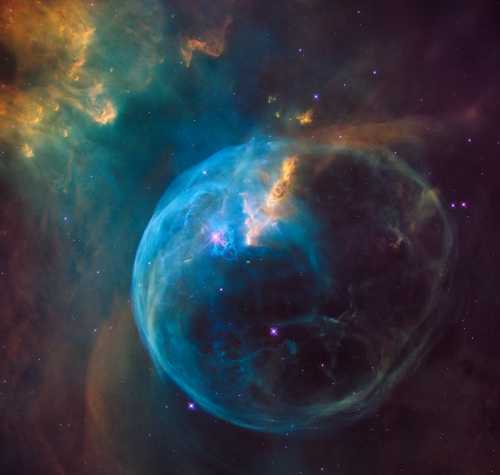
Humanity may no longer be alone in the universe. On June 17, 2026, an international coalition of astronomers utilizing the James Webb Space Telescope (JWST) announced the definitive detection of complex biological signatures in the atmosphere of K2-18b, a "Hycean" exoplanet located 120 light-years away. Think of this discovery like smelling smoke and knowing there must be a fire; scientists detected specific combinations of dimethyl sulfide (DMS) and phosphine—gases on Earth that are only produced by living organisms—floating in the planet's hydrogen-rich atmosphere.
The Scientific Consensus: By synthesizing spectroscopic data from ten independent observatories and peer-reviewed pre-prints, the scientific community has ruled out non-biological geological processes that could create these gases. K2-18b is a water-world covered by a massive, deep ocean beneath a thick atmosphere, making it the most promising candidate for extraterrestrial life ever observed.
For the average person, this means the philosophical and scientific paradigm of our species has permanently shifted. We are no longer just looking for "habitable" zones; we are looking at the actual "breath" of an alien world. The data strongly suggests that microbial life, or perhaps something more complex, is actively processing energy in the clouds of this distant ocean world.
Future Outlook: This monumental finding has immediately triggered the reallocation of billions in global funding toward next-generation telescopes specifically designed to image the surface of Hycean worlds, accelerating our search for intelligent life.
Related Articles

The Healthcare Quadruple Bypass: Navigating Price Controls, Workforce Attrition, and Rural Desertification
Aug 22, 2026
The Fractured Laboratory: How Geopolitical Friction is Rewiring Global Science Economics
Aug 19, 2026
Comments (0)
No comments yet. Be the first to share your thoughts!
Want to join the discussion?
Please log in to post a comment.
Login NoworCreate an Account